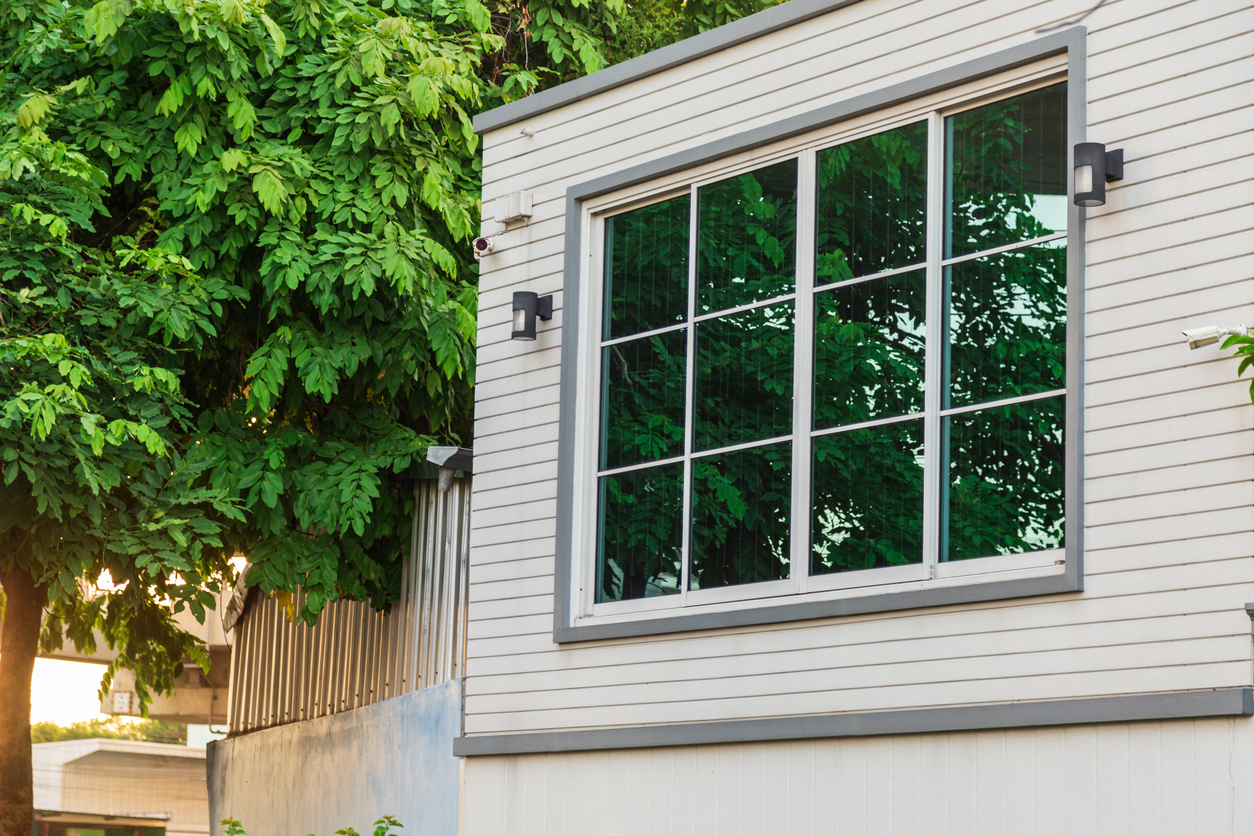


A damaged window frame doesn’t always mean the entire window has reached the end of its life. In many homes, a small crack, worn seal, loose section of trim, or limited patch of surface rot can be fixed without removing the full unit. At the same time, some frame problems point to deeper water damage, major movement, failed glass, or an aging window that no longer closes correctly.
So, when is window frame repair better than replacement? The answer depends on where the damage sits, how far it has spread, how the window operates, and whether the glass and frame still work as one solid unit. A proper inspection from Statewide Energy Solutions can separate a practical repair from a short-term patch that may cost more later.
Why Window Frame Repair May Be the Right Starting Point
Window frame repair makes sense when the damage stays in one small area and the rest of the window remains stable. For example, a minor gap along the trim may let outdoor air enter the room, yet the sash may still open, close, and lock without trouble. In that case, sealing the gap or fixing the affected trim may solve the problem.
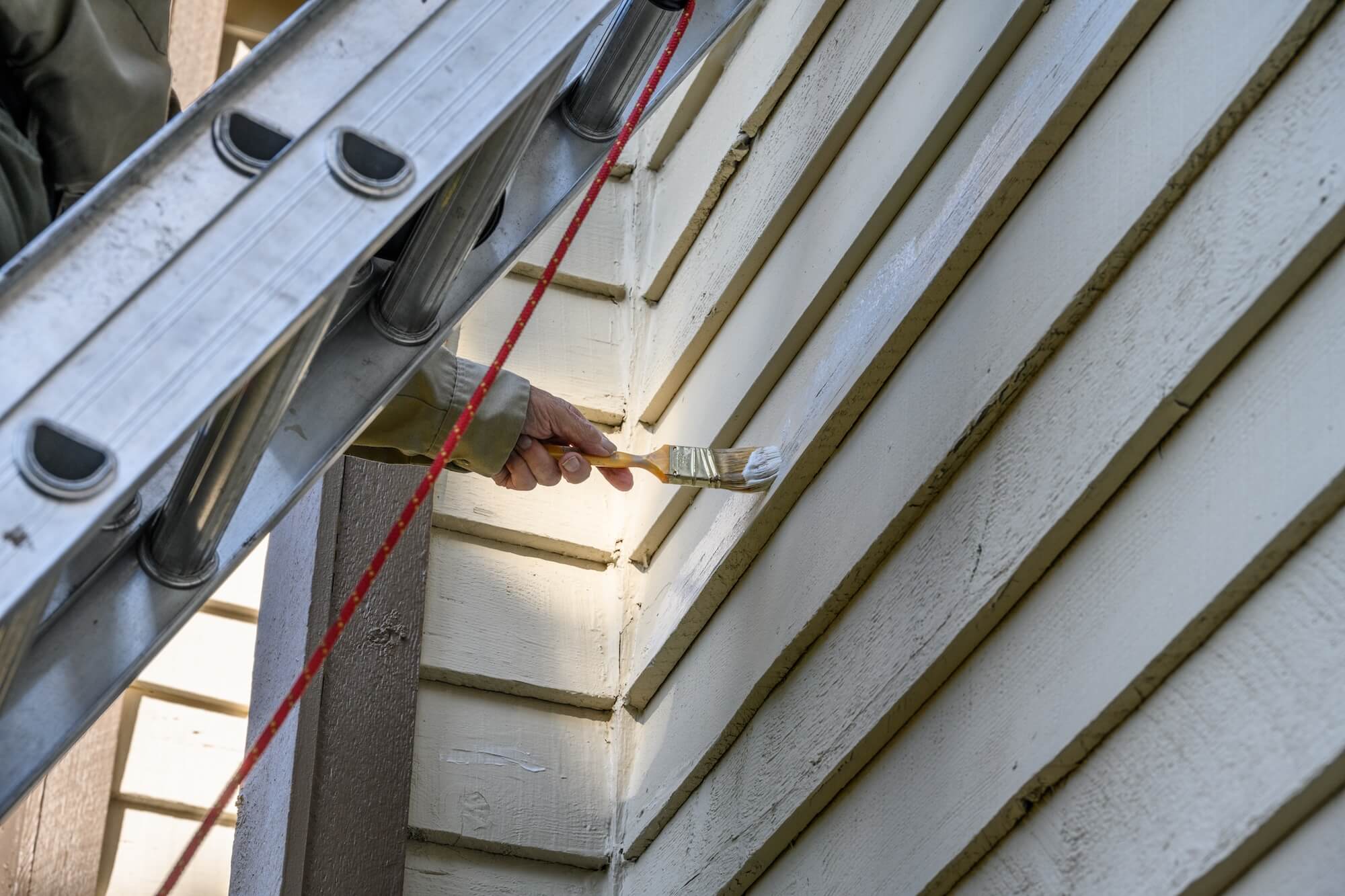
The same idea applies to early surface damage. A small area of peeling paint or shallow wood decay may be repairable once the moisture source has been found and stopped. Next, the damaged material can be removed, the area can be treated, and the surface can be rebuilt or protected. This kind of work can extend the useful life of a window that still performs well.
Small air leaks can fit this category too. The U.S. Department of Energy explains that caulk is used around stationary parts, such as window frames, and weatherstripping is used around moving parts. A trained window installer can check whether the leak comes from a simple seal failure or from a frame that has moved out of position.
Signs That Window Frame Repair Could Solve the Problem
Homeowners often ask whether it is possible to repair window frames instead of paying for a new unit. In many cases, the following signs support repair:
The damage covers a small area.
A short crack, loose corner, or limited patch of soft wood may be repairable when nearby material remains firm. The installer still needs to trace the cause, since sealing over an active leak won’t provide a lasting fix.
The window opens and locks correctly.
Smooth operation suggests that the frame has not twisted far out of shape. A local repair may restore the damaged section without disturbing the glass, sash, or wall opening.
The glass remains clear and sealed.
A frame problem may stay separate from the insulated glass unit. If no fog sits between the panes and no crack crosses the glass, repairing the frame can be a sensible choice.
The problem comes from worn caulk or trim.
Old sealant can split, shrink, or pull away from the frame. New sealing and trim work may stop drafts and moisture entry when the structure beneath remains dry and solid.
The window is still fairly new.
A newer unit with one damaged section may have many useful years left. Repairing that section can protect the original investment without replacing parts that still work.
When Window Frame Repair Is Usually a Better Value
Cost matters, yet the lowest price today isn’t always the best value over time. Window frame repair tends to be the better value when the work fixes the full cause of the problem, not just the visible mark. For instance, replacing failed caulk after cleaning and drying the joint can be a sound repair, while covering a wet, decayed section with filler may only hide the damage temporarily and allow it to keep spreading.
- Repair is often the better choice when the issue is isolated and does not affect the entire window system.
- Fixing the root cause, such as moisture intrusion or worn sealant, helps prevent recurring damage.
- Cosmetic issues like dents, chipped finishes, loose casing, and small scratches can usually be corrected without replacing the full unit.
- A well-executed repair can restore appearance and function at a lower cost than replacement.
Repair can make sense for cosmetic damage too. Dents, chipped finish, loose casing, and small scratches may affect appearance without weakening the unit. From there, a skilled repair can restore a cleaner look at a lower cost than full replacement.
- The age and quality of the window play a key role in determining value.
- Newer, well-built windows with minor defects are strong candidates for repair.
- Older, lower-quality windows with repeated issues may not benefit as much from repair work.
The age and quality of the existing window matter as well. A strong window with a small frame defect is a better repair candidate than an old, builder-grade unit with repeated leaks, stiff operation, and failed seals. Statewide Energy Solutions checks the full window system before recommending work, so the decision is based on condition rather than one visible symptom.
When Window Frame Repair Won’t Be Enough
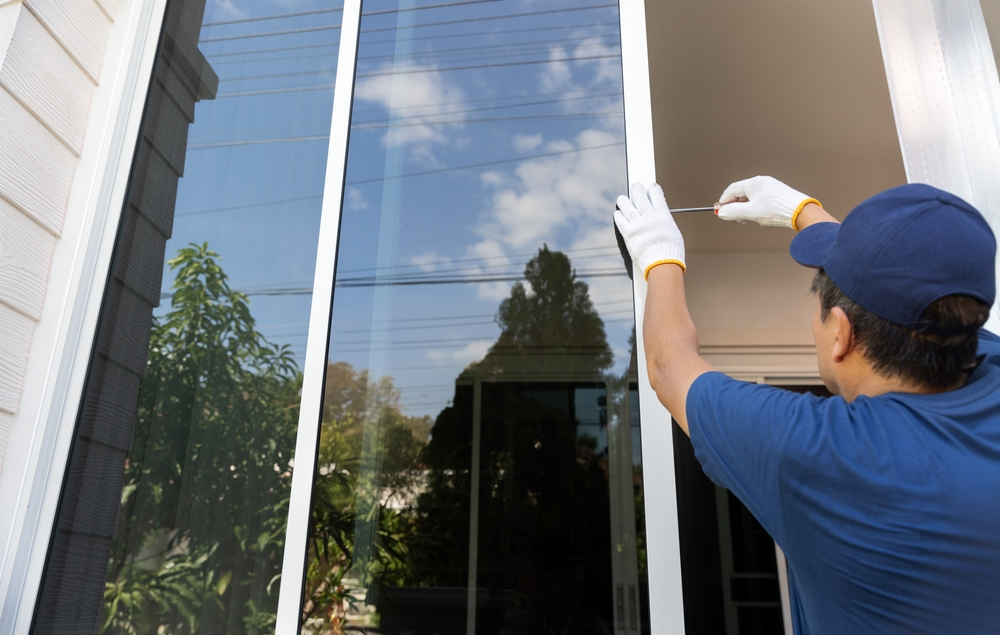
At some point, repair becomes a temporary patch. Full window replacement may be the better choice when damage affects the frame, sash, glass, and wall opening at the same time.
Large areas of rot are a common warning sign. Once decay moves deep into wood or spreads across several frame sections, a patch may lack a firm base. Water can return, fasteners can loosen, and the frame can lose its shape.
A badly warped frame points in the same direction. If the sash rubs, the lock won’t line up, or daylight shows through one side, the unit may no longer sit square in the opening. Repairing one edge may not correct the pressure across the rest of the frame.
Repeated fogging between glass panes can change the decision too. That fog often means the insulated glass seal has failed. If the frame has damage at the same time, replacing the full unit may give the homeowner a cleaner result than paying for separate repairs on an aging window.
How Window Frame Repair Differs From Full Replacement
Repair keeps most of the existing window in place. The installer targets the damaged area, which may involve sealing gaps, replacing trim, rebuilding a small wood section, correcting hardware, or fixing a screen frame.
Replacement removes the old window unit and installs a new one. This route can correct several problems at once, such as worn frames, failed glass seals, poor operation, drafts, and outdated window construction. Homeowners can review available window options with Statewide Energy Solutions to compare styles, frame choices, glass packages, and operating features.
That difference matters during budgeting. A repair may cost less for one isolated issue. A replacement may cost more at the start, yet it can be the better use of money when several parts have failed or when repairs keep returning.
How Statewide Energy Solutions Approaches Window Frame Repair
A search for how to repair window frame damage may bring up filler, caulk, screws, paint, and do-it-yourself patch kits. Those products can help with very small surface issues, yet each material solves a different problem. Caulk won’t rebuild rotten wood. Filler won’t correct a twisted opening. New paint won’t stop water entering from failed exterior flashing.
Statewide Energy Solutions starts with the cause. The inspection looks at the frame surface, corners, sill, sash movement, locks, glass condition, sealant lines, nearby trim, and signs of moisture. Next, the homeowner receives a clear explanation of what can be fixed and what may keep failing.
This process helps avoid two costly mistakes: replacing a sound window for a minor issue or repairing a window that has already failed in several areas. Homeowners can read customer reviews to see how Statewide Energy Solutions handles window projects and client communication.
What Window Frame Repair Can Include
The exact repair depends on the frame material and the source of damage. Common work may include:
- Resealing joints and gaps. Old caulk can be removed so the joint can be cleaned and sealed again. The installer must use the right product for the location, movement, and frame material.
- Repairing limited wood damage. A small decayed section may be removed and rebuilt when solid wood remains around it. The moisture source must be corrected before the surface is closed and finished.
- Securing loose trim or frame parts. Movement can create gaps, noise, or water entry. Fasteners, backing, and sealant may need attention so the repaired section stays stable.
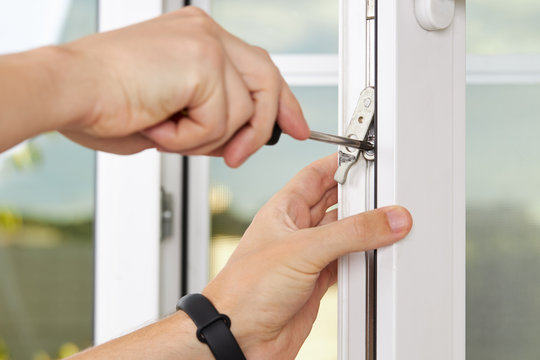
- Correcting minor hardware problems. Loose locks, worn keepers, or misaligned hardware can make a window feel like the frame has failed. A hardware adjustment may restore safe, smooth operation when the frame remains square.
- Fixing screen frame damage. Bent corners, loose spline, torn mesh, and separated joints often affect the removable screen rather than the structural window. Screen work can be completed without replacing the full window in many cases.
Types of Window Screen Frames in a Window Frame Repair Visit
The types of window screen frames found in homes can include aluminum, vinyl, and wood. Aluminum screen frames are common, light, and easy to remove, yet a hard bend may keep the screen from sitting flat. Vinyl frames resist rust, though age and heat can make some sections brittle. Wood screen frames may match older homes, but paint failure and moisture can lead to swelling or decay.
Screen frame material is separate from screen mesh. Mesh may be fiberglass, aluminum, or another material made for pets, insects, or stronger wear. During a window frame repair visit, Statewide Energy Solutions can help identify whether the damage affects the removable screen, the sash, or the main frame attached to the wall.
That distinction can save money. A torn screen or bent screen frame does not automatically call for window replacement. By comparison, a main frame that has pulled away from the opening needs a closer look.
Questions to Ask Before Choosing Window Frame Repair
Before approving a repair, ask a few direct questions:
- What caused the damage? The answer should go beyond “age” when water, movement, or installation gaps may be involved. A repair has a better chance of lasting once the source has been found.
- How much of the frame remains solid? Surface damage can look worse than it is, and hidden decay can look minor from the room. A hands-on inspection helps show whether the repair has a stable base.
- Will the repair restore operation? A finished surface may look clean, yet the sash still needs to open, close, lock, and seal. The work should solve function and appearance when both are affected.
- Is another part of the window close to failing? Old glass seals, worn hardware, and repeated drafts can change the math. Paying for several separate repairs may cost more than installing one new unit.
Final Decision on Window Frame Repair or Replacement
When is window frame repair better than replacement? Repair is often the smarter choice for a small, contained defect in a window that still opens, locks, seals, and keeps moisture out. Replacement is often the smarter choice once damage spreads through several parts or keeps returning after prior work.
Statewide Energy Solutions can inspect the frame, explain the cause, and show which option fits the window’s real condition. Service is available across the company’s listed areas served.
Schedule a Window Frame Repair Assessment With Statewide Energy Solutions
Don’t let a small frame problem turn into damaged trim, stained walls, or a window that no longer closes. Contact Statewide Energy Solutions for a clear assessment and a practical recommendation based on the full window.
Call (800) 339-4326 or visit the Statewide Energy Solutions Contact Page to discuss window frame repair, replacement, and available window choices.
Frequently Asked Questions About Window Frame Repair
Can Window Frame Repair Stop a Draft?
Yes, when the draft comes from failed caulk, worn weatherstripping, loose trim, or a small gap around a stable frame. A draft caused by major warping or poor installation may call for more extensive work.
Can Window Frame Repair Fix Rotten Wood?
Small, shallow areas may be repairable after the water source has been stopped. Deep or widespread rot often leaves too little solid material for a lasting repair.
Is DIY Window Frame Repair Safe?
Basic cleaning, paint touch-ups, and screen replacement may suit some homeowners. Structural damage, glass problems, active leaks, and large areas of decay are better checked by a trained installer.
How Long Does Window Frame Repair Last?
The lifespan depends on the cause, material, repair method, and exposure to sun and rain. A repair that removes damaged material and stops moisture can last far longer than a patch placed over wet or weak framing.
Does Window Frame Repair Improve Energy Use?
It can reduce air leakage when gaps, worn seals, or loose trim cause the problem. A badly damaged frame or failed insulated glass unit may need replacement to produce a meaningful change.
When Should Window Frame Repair Become Replacement?
Replacement makes more sense when damage has spread, the frame has warped, the window won’t operate safely, the glass seal has failed, or repair costs keep adding up. Statewide Energy Solutions can compare both paths during an inspection.