
Picture a window that swings open like a small door, catches a breeze with ease, and seals up tight against bad weather. That’s the gist of a casement window. Plenty of homeowners ask Statewide Energy Solutions about this style every week, and the questions usually sound the same: how does it work, what does it cost, and would it look right on a house like mine? Good news — this guide walks through all of it in simple terms, just the way a friendly installer would chat about it at the kitchen table.
What Is a Casement Window?
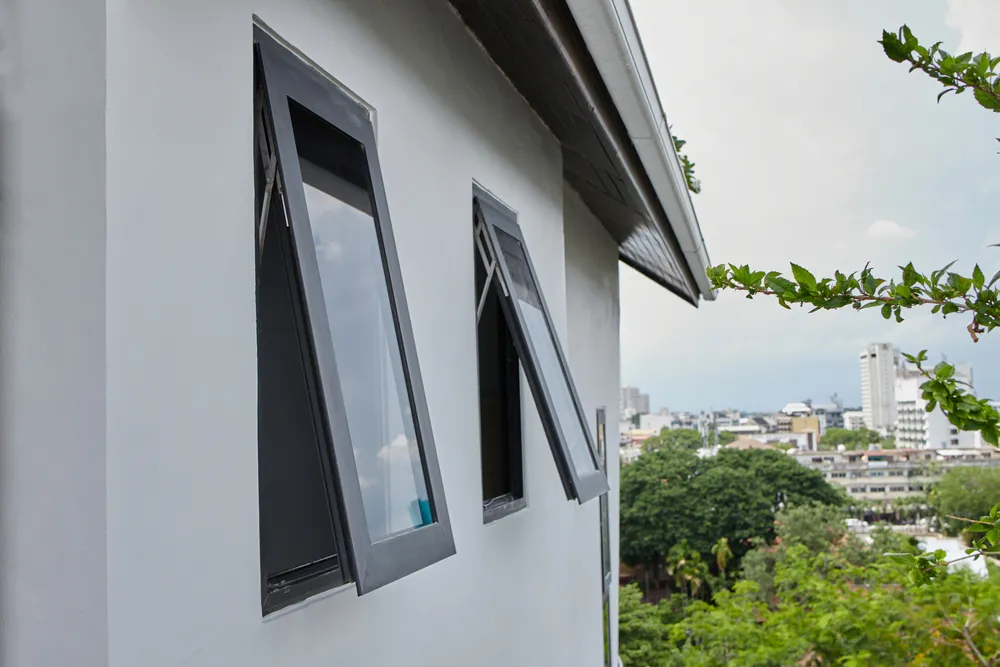
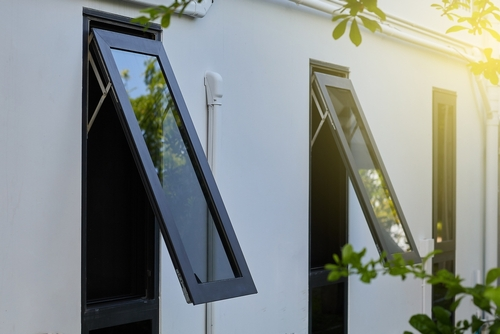
So, what is a casement window? In simple terms, it’s a window that’s hinged on one side and opens outward with the turn of a crank handle. Think of it like a small door for fresh air. The whole sash swings out, which means the glass area opens up fully — top to bottom, side to side. That single trait sets it apart from sliders, single-hungs, and double-hungs, where only part of the window opens at any given time.
The name itself comes from the old word “casement,” which once meant a hinged frame. These windows have been around for hundreds of years, long before sash-style windows showed up on the scene. Today, modern versions pair the old-school design with new materials, better seals, and energy-smart glass packages.
Homeowners shopping for replacement casement windows often pick this style for one big reason: airflow. With one good crank, the sash catches passing wind like a sail and pulls it right into the room. On a breezy spring day, that’s hard to beat.
What Is a Casement Window Made Of? Frame Materials and Design Features
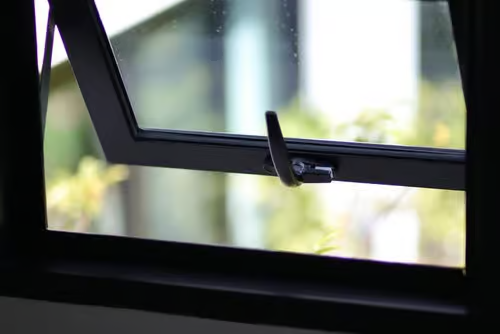
Now, let’s talk parts. A casement window has a few key pieces: the frame, the sash, the hinges, the crank operator, and the lock. The frame holds everything in the wall opening. The sash is the moving piece that holds the glass. Hinges sit on the side, and the crank handle (sometimes called the operator) sits at the bottom of the frame. Turn the handle, and the sash swings open. Easy as that.
Frames come in several materials, and each one brings something different to the table:
Vinyl frames
It stands out as the most popular pick for replacement casement windows. They cost less than wood or fiberglass, they don’t need painting, and they hold up well against rain and sun. Plus, vinyl frames lock in warmth during winter and keep cool air inside during the summer heat — a big plus for monthly energy bills. For most homes, vinyl hits the sweet spot of price, looks, and long life.
Fiberglass frames
It costs a bit more upfront, yet they pay off with strength and a long lifespan. Fiberglass barely shifts with temperature changes, so the seals stay tight year after year. Many homeowners pick this option for larger window openings or harsh-weather spots where wood or vinyl might struggle over time.
Wood frames
It brings that classic, warm look that fits older homes, craftsman bungalows, and farmhouse styles. Wood does need regular care — a fresh coat of paint or stain every few years keeps it looking sharp. Still, nothing matches the charm of real wood trim around a sunlit window, especially in a historic home or a rustic kitchen.
Aluminum frames
It shows up most often on commercial buildings or sleek, modern home designs. Slim, strong, and clean-lined, aluminum frames give a sharp, contemporary feel. Keep in mind, though, that aluminum can transfer cold faster than other materials, so a thermal break inside the frame matters for energy savings.
Glass packages count just as much as the frame. Double-pane glass with argon gas between the layers blocks heat transfer, cuts outside noise, and trims power costs over the year. Some homes go with triple-pane glass for top-tier performance. For homeowners who want to compare these options in more detail, the U.S. Department of Energy offers a helpful breakdown on its official site that explains how different glass types, coatings, and insulating features can affect comfort, efficiency, and long-term savings.
What Is a Casement Window Best Known For? The Pros
Now for the fun part, the perks. Asking what is a casement window good for is a fair question, and the answer comes with a short list of strong points:
Top-tier airflow.
Since the entire sash swings open, casement windows let in more fresh air than nearly any other style. On a mild day, just one crack of the crank can cool a whole room without the AC kicking on. That’s real money saved each month, plus a nice breeze through the house.
Tight seal for energy savings.
Once closed, the sash presses against the frame from all four sides. This pressure-fit creates a tight seal that keeps drafts out. Many Statewide customers see lower heating and cooling bills after switching, which is no small win for the family budget.
Wide, clear views.
Casement windows don’t have a horizontal rail across the middle like double-hungs do. The result? An open, picture-frame view of the yard, garden, or street outside. Beautiful from the inside, and great curb appeal from the outside too.
Easy operation.
Got a window over the kitchen sink or behind a tall sofa? A crank handle makes opening the window simple, with no heavy lifting needed. Older homeowners, kids, and anyone with limited grip strength find casements much easier to use than older sash-style windows that get stuck or feel heavy.
Strong security.
The locking system pulls the sash tight into the frame at several points along the side. That hook-style lock makes casement windows tough to pry open from outside, which gives peace of mind to families thinking about safety after sundown.
What Is a Casement Window’s Downside? The Cons
No window style is perfect, of course. Being upfront about the trade-offs matters too. Here’s where casement windows might not be the right fit for every spot in the home:
Outdoor space matters.
Since the sash swings outward, the window needs clear room outside the wall. If a deck railing, patio cover, or walkway sits right against the wall, opening the window might bump into things. Best to plan around traffic flow before placing a casement window on a busy patio or near a narrow walkway.
Screens sit on the inside.
Most casement windows put the bug screen on the indoor side of the frame. The screen stays put as the sash swings out. For some homeowners, that’s a small adjustment after years of outside screens, though it does keep the screens cleaner and easier to remove.
Mechanical parts can wear over time.
The crank operator and hinges work hard each time the window opens. After many years, those moving parts may need a tune-up or a swap-out. Good news — most parts are easy to find and don’t cost much to replace.
Higher upfront cost than basic sliders.
Casement windows prices tend to run a bit higher than budget single-hung or slider models. That said, the energy savings, better seal, and longer lifespan often balance out the extra cost over the years. Many homeowners find the trade-off worth every penny once those first lower utility bills roll in.
What Is a Casement Window Cost? Breaking Down Casement Windows Prices
Speaking of money, let’s get to numbers. Casement windows prices depend on several factors: the size of the window, the frame material, the glass package, and any custom features like grids, tints, or special hardware finishes.
In broad strokes, vinyl casement windows tend to land at the lower end of the range, fiberglass and wood in the middle to upper range, and custom shapes or oversized units at the top. Installation costs add to that total, and they vary based on the home’s age, the condition of the existing window frame, and whether any wood rot or wall repair shows up during the swap.
Statewide Energy Solutions offers free in-home quotes, so the price talk happens face-to-face with real numbers based on real measurements. No guesswork, no surprise fees — just a fair, written quote for replacement casement windows custom-fit to the home.
For homeowners shopping around, the full lineup of window options covers casements, sliders, picture windows, double-hungs, and more. Pairing styles room by room can stretch a budget and still give every space the right look and feel.
What Is a Casement Style Window’s Place in Home Design?
Asking what is a casement style window good for, design-wise, opens up a fun chat about home looks. These windows fit just about every architectural style out there. In modern homes, tall, narrow casements stack side-by-side to create a stunning wall of glass. In traditional homes, casements with simple grid patterns mimic the look of old leaded glass for a classic feel.
Kitchen designers love casements over the sink. The crank handle reaches easily, even across a wide counter, which means no climbing on counters or stretching across hot pans. Bedrooms work great with casements too, since the wide opening meets safety codes for emergency exits in many areas. Living rooms get a boost from large casement and picture window combos, mixing airflow with a big, open view of the yard or street.
Color choices keep growing each year. Frames come in classic white, soft tan, deep bronze, charcoal gray, even bold black for that modern farmhouse look. Custom paint matching is an option for homeowners who want frames that blend right in with trim or siding.
Why Pick Statewide Energy Solutions for Replacement Casement Windows?
Plenty of window companies do good work, yet a few things set Statewide Energy Solutions apart from the crowd. The installation crews bring years of hands-on training to every job site. Each project gets handled start to finish by trained pros — no day-laborers, no shortcuts, and no rushed work. Plus, every install comes with a strong warranty that covers both the product and the labor for long-term peace of mind.
Homeowners across Texas and beyond have shared kind words about the work. Take a peek at the customer reviews to see what real Statewide clients say after their projects wrap up. The pattern shows up again and again: clean job sites, friendly crews, and windows that look great year after year.
Wondering if the company covers your neighborhood? The list of areas we serve keeps growing. From small towns to busy city blocks, Statewide Energy Solutions sends crews all over the region for top-quality window replacement work.
Contact Statewide Energy Solutions for Casement Windows Solution in Dallas, TX
Picking the right window style shapes the look, feel, and energy use of a home for years to come. With a clear answer to what is a casement window and a good look at the pros, cons, design features, and cost, the next step is simple — get a free quote from the Statewide Energy Solutions team.
Call (800) 339-4326 today, or stop by the contact page to set up a free in-home consultation. The Statewide team handles everything from start to finish, with honest pricing, top-quality products, and friendly service every step of the way.
Frequently Asked Questions
What is a casement window vs. a double-hung window?
The big difference comes down to how each one opens. A double-hung window has two sashes that slide up and down past each other. A casement window has one sash that swings outward on a side hinge, opened by turning a crank handle. Casements give a wider opening and a tighter seal, yet double-hungs hold onto the classic look many older homes are known for.
How long do replacement casement windows last?
With proper care, quality casement windows can last 20 to 30 years or more. Vinyl and fiberglass frames hold up especially well against weather and sun. The crank operator might need a small tune-up partway through the window’s life, yet the frame and glass should stay strong for decades with regular cleaning.
Are casement windows good for energy savings?
Yes, very much so. The four-sided seal pulls tight against the frame each time the lock turns. That snug fit blocks drafts and cuts air leaks, which often shows up as lower utility bills month after month — a real perk during hot Texas summers and chilly winter nights.
Can casement windows work as emergency exits?
Many sizes meet egress codes for bedroom escape routes. The wide, clear opening makes it easy to climb through in case of fire or another emergency. Local code rules vary by city and county, so the install team will double-check sizing during the planning step before any work begins.
What is a casement style window’s biggest drawback?
The outward swing is the main thing to plan around. If a walkway, deck, or porch cover sits close to the wall, the window may bump into it once opened. A quick site visit from a Statewide pro sorts out the layout before the install date, so there are no surprises later.