
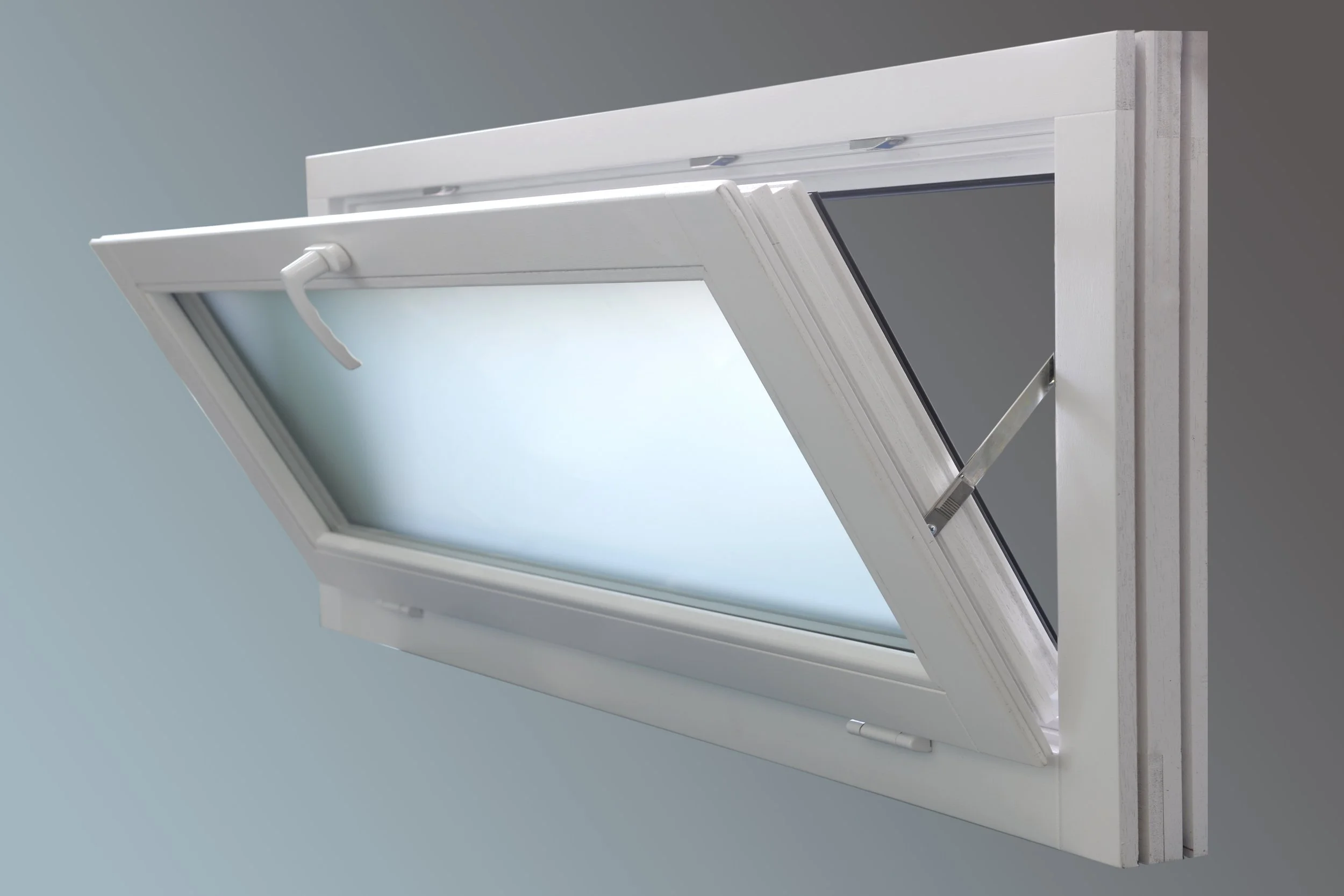
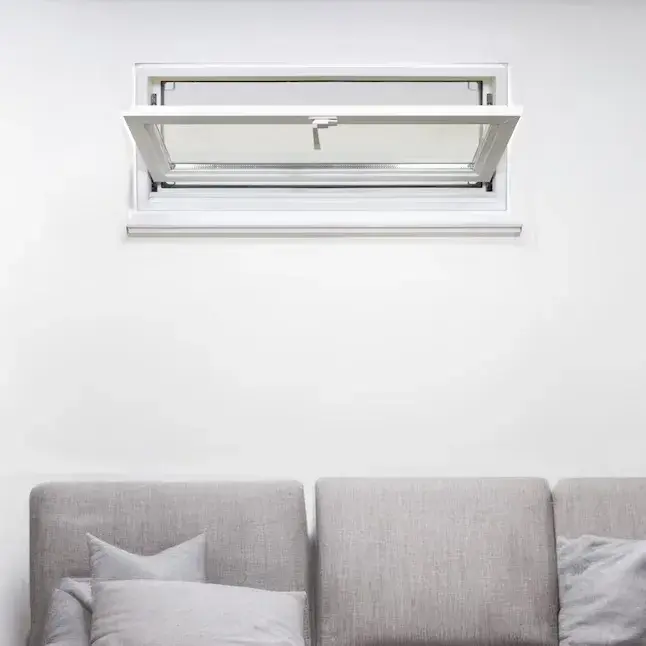
Small windows can do a big job, especially in a basement, bathroom, laundry room, or other area with limited wall space. That brings up a common homeowner question: what is a hopper window? A hopper window is a compact window with hinges along the bottom. The top of the sash tilts inward, creating an opening that brings in fresh air and daylight.
This design works well in spaces where a standard double-hung or sliding window may feel too large or awkward. In many homes, hopper windows sit high on a basement wall, where every inch counts. Statewide Energy Solutions installs hopper windows for homeowners who need a practical mix of ventilation, light, security, and a clean fit. The inward-opening design makes this window easy to spot once you know what to look for.
Choosing the right style takes more than picking a frame that looks good. Size, placement, drainage, room layout, glass, locks, and installation quality all affect day-to-day use. The sections below break down the main points in plain language, so the choice doesn’t feel like guesswork.
What Is a Hopper Window and How Does It Open?
A hopper window has a sash that connects to the frame with hinges at the bottom. When the lock releases, the top edge pulls into the room. Some models open a few inches, and some open farther based on the hardware and frame design.
Since the sash moves inward, the area directly inside the opening needs some free space. A shelf, curtain rod, storage bin, or wall decoration can get in the way. For that reason, a quick room check matters before ordering the window.
The inward tilt creates a wide opening near the top of the frame. Warm air that gathers near the ceiling can move out, and cooler outdoor air can enter. In a basement, that bit of airflow can help a room feel less closed in. At the same time, the glass lets sunlight reach areas that often feel dark.
Hopper windows may use vinyl, fiberglass, aluminum, wood, or a mixed-material frame. Glass packages can vary too. Homeowners can compare low-emissivity glass, multiple panes, gas fills, frame construction, and weather seals through Statewide Energy Solutions’ window options.
The U.S. Department of Energy explains that window upgrades can improve comfort and reduce unwanted heat transfer when the window and installation suit the home. Homeowners can read the Department of Energy guidance on updating or replacing windows before planning a project.
What Is a Hopper Window Best Used For?
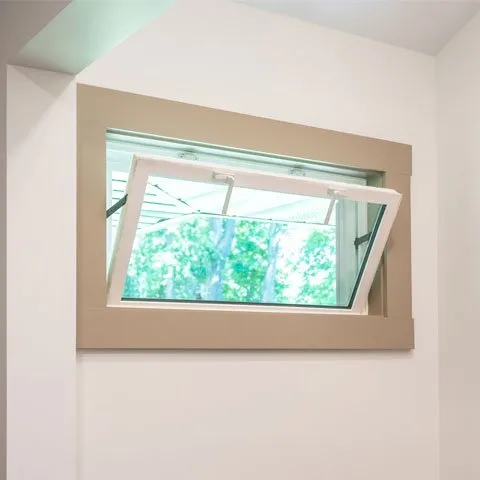
Basements are the most common location, yet the design can work in several compact areas. The key is matching the opening style to the room.
- Basements: Basement hopper windows fit short wall openings near the top of a foundation. These units bring in light and air without taking up the wall height that a tall window needs. In many cases, the inward tilt makes operation easier from inside the room.
- Bathrooms: A small hopper window can release humid air and bring in daylight. Frosted or patterned glass can add privacy. Placement still matters, since the sash must open without hitting tile, shelves, or shower parts.
- Laundry rooms: Heat and moisture can build up during washing and drying. A hopper window gives the room another way to vent, especially when the opening sits above appliances or utility areas.
- Garages and workshops: Compact wall openings often suit this style. The window can brighten a work area without taking up space needed for cabinets, tools, or storage.
- Utility rooms: Water heaters, plumbing lines, electrical panels, and storage can make wall space tight. A small inward-opening unit may fit the bill when another operating style won’t.
A hopper window should never block required access or create a safety problem. Basement bedrooms may need an emergency escape opening that meets local code, and many standard basement hopper windows are too small for that role. Statewide Energy Solutions can review the room, opening size, and intended use before recommending a product.
What Is a Hopper Window and What Are Its Main Benefits?
A good hopper window offers several practical benefits. The value comes from the way the design uses a small opening.
It brings fresh air into tight rooms.
Basements and utility spaces can feel stale. Opening the sash creates direct ventilation without needing a large wall opening. As a result, the room may feel more comfortable during mild weather.
It adds natural light.
A little daylight can change how a basement or laundry area feels. The window won’t turn a lower level into a sunroom, of course, but it can reduce the dark, closed-in feeling that comes with a solid wall.
It seals firmly when closed.
Many hopper windows pull the sash against the frame when locked. A sound frame, working hardware, proper weatherstripping, and a careful installation can limit drafts and air leaks.
It fits small openings.
A compact frame works well where pipes, ceilings, foundation walls, cabinets, or nearby structures limit available space. For this reason, basement hopper windows remain a common replacement choice.
It can support home security.
The small size and high placement can make outside entry difficult. Strong locks and durable glass add another layer of protection, though no window should replace a complete home security plan.
It can be simple to clean from indoors.
Since the sash tilts into the room, the exterior glass may be easier to reach. That’s handy in a basement window well where outside access can be a tight squeeze.
These benefits depend on fit and installation. A good product placed in a poor opening can still leak air or water. For that reason, Statewide Energy Solutions measures the opening, checks the surrounding frame, and recommends a window that suits the room rather than forcing a one-size choice.
What Is a Hopper Window and What Drawbacks Should Homeowners Know?
No window style works perfectly in every spot. Hopper windows have a few limits that deserve a clear look.
The sash opens into the room.
Indoor space must stay clear. Curtains, blinds, shelves, plants, and stored items can interfere with operation. In a crowded basement, that can be a real headache.
Rain can enter through an open unit.
The top of the opening faces upward once the sash tilts in. If the window stays open during rain, water may come inside. Homeowners need to close it before bad weather.
Window treatments need care.
Standard blinds may block the sash. Short curtains, inside-frame shades, or another simple covering may work better, depending on the opening depth.
Escape access may be limited.
Many basement hopper windows don’t provide a large enough clear opening for emergency exit rules. A bedroom or finished living area may need a different size or style based on local code.
Cleaning can still be awkward in a deep well.
The inward tilt helps, yet a deep or narrow window well can limit reach. Dirt, leaves, and water around the exterior opening still need routine attention.
Hardware can wear down.
Hinges, locks, arms, seals, and handles can loosen or fail over time. Older units may stick, sag, leak, or refuse to close tightly.
Here’s the catch: a low price won’t mean much if the frame doesn’t fit, the seal fails, or the opening collects water. A careful inspection can separate a simple hardware issue from a full basement hopper window replacement.
What Is a Hopper Window Compared With an Awning Window?
Homeowners often ask, “what is the difference between an awning and hopper window?” The main difference is hinge placement and opening direction.
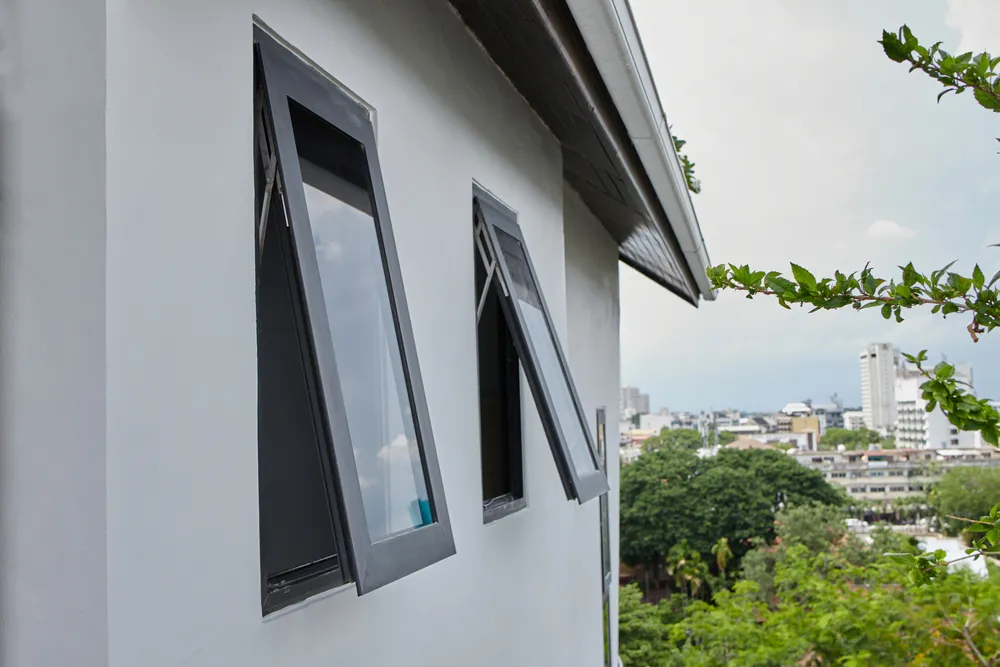
A hopper window has bottom hinges and opens inward from the top. An awning window has top hinges and opens outward from the bottom. Statewide Energy Solutions’ awning windows page shows how the outward-opening sash can help shield the opening during light rain.
The right choice depends on the space:
- Choose a hopper window when exterior room is limited, the opening sits in a basement wall, or indoor access makes operation and cleaning easier.
- Choose an awning window when indoor clearance is tight and the outside has enough room for the sash to swing out.
- Check rain exposure before deciding. An open hopper can catch rain, but an awning sash can act like a small cover over the opening.
- Check walkways, shrubs, wells, and exterior obstacles. An awning window needs room outside, and a hopper window needs room inside.
By comparison, both styles can work in short, wide openings. Both can add ventilation and daylight. Still, the hinge direction changes how each unit fits the room and handles weather.
What Is a Hopper Window Replacement Project Like?
Basement hopper window replacement often starts after a homeowner spots drafts, fogged glass, damaged locks, cracked frames, water marks, or a sash that no longer closes. In older homes, the opening may have worn wood, rusted metal, loose mortar, or gaps around the frame.
A replacement project usually follows these steps:
- Inspect the opening. The installer checks the frame, sill, wall, window well, drainage, and nearby materials. Water damage or movement around the opening needs attention before the new unit goes in.
- Measure the full opening. Small errors can lead to large gaps or a frame that won’t sit square. Accurate width, height, and depth measurements help the new window operate and seal correctly.
- Choose the window package. Frame material, glass, locks, screens, color, and opening range should match the room. Statewide Energy Solutions can compare hopper units with other window replacement choices.
- Remove the old unit. The crew takes out the sash and frame with care, then clears loose sealant, fasteners, and damaged material from the opening.
- Set, fasten, and seal the new window. The unit must sit level, square, and plumb. Next, the installer secures the frame and seals the perimeter to limit air and water entry.
- Test operation. The sash should open smoothly, stay controlled, lock firmly, and close without rubbing. The screen, glass, seals, and trim need a final check too.
Statewide Energy Solutions handles projects across North Texas and can confirm whether your home falls within the company’s areas we serve. Homeowners can read customer reviews before scheduling an estimate.
What Is a Hopper Window Homeowners Should Choose?
The best unit is the one that fits the opening, room, weather exposure, budget, and use. A basement storage room may need a basic operating window. A finished lower level may call for better glass, a cleaner interior finish, and closer attention to safety rules.
Before buying, ask these questions:
- Does the sash have enough room to open indoors?
- Can rain reach the opening during storms?
- Is the window meant for ventilation, daylight, emergency exit, or all three?
- Is the existing frame square and free from water damage?
- What glass package fits the home’s comfort goals?
- Can the locks and handle be reached easily?
- Will the window well drain properly?
- Does local code affect the required opening size?
A salesperson should explain these points without pushing a style that doesn’t fit. Statewide Energy Solutions helps homeowners compare the opening, glass, frame, and installation details, so the final choice works in real life, not just on a sample board.
Contact Statewide Energy Solutions for Hopper Windows in Dallas, TX
A hopper window can be a smart answer for a small basement or utility-room opening. It brings in air and light, fits limited wall space, and can seal tightly when the frame and installation are right. Still, indoor clearance, rain exposure, escape rules, and drainage need a close look before the order is placed.
Statewide Energy Solutions can inspect your current windows, explain the choices in plain language, and recommend a fit for your home. Call (800) 339-4326 or use the Statewide Energy Solutions contact page to request an estimate for hopper windows or basement hopper window replacement.
Hopper Window FAQs
What Is a Hopper Window in a Basement?
A basement hopper window is a short window with bottom hinges. The sash tilts inward from the top. It can add ventilation and daylight to a lower-level room, utility area, workshop, or storage space.
What Is a Hopper Window Used for Most Often?
This style appears most often in basements. It can work in bathrooms, laundry rooms, garages, and utility rooms where wall space is limited.
What Is a Hopper Window Compared With an Awning Window?
A hopper window opens inward and uses bottom hinges. An awning window opens outward and uses top hinges. The available indoor and outdoor clearance often decides which style works better.
What Is a Hopper Window Replacement Warning Sign?
Common warning signs include drafts, fog between panes, water stains, cracked frames, broken locks, loose hinges, and a sash that sticks or won’t close. Any sign of water entry deserves a closer inspection.
What Is a Hopper Window Good for During Rain?
A closed hopper window can provide a tight seal when installed correctly. An open hopper window may let rain enter, so it should stay closed during wet weather.
What Is a Hopper Window Installation Cost Based On?
Cost can change based on size, frame material, glass, opening condition, trim work, access, and any repair needed around the wall or window well. An on-site estimate gives a clearer number than a broad online range.