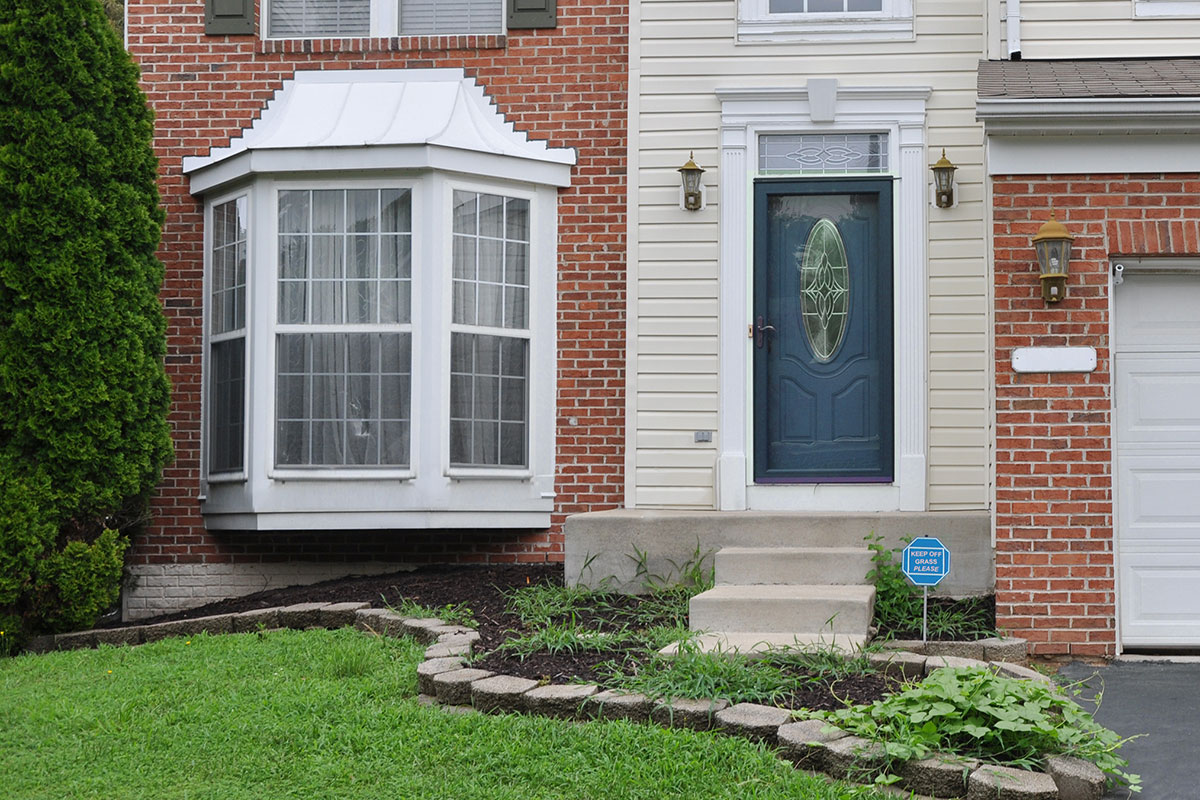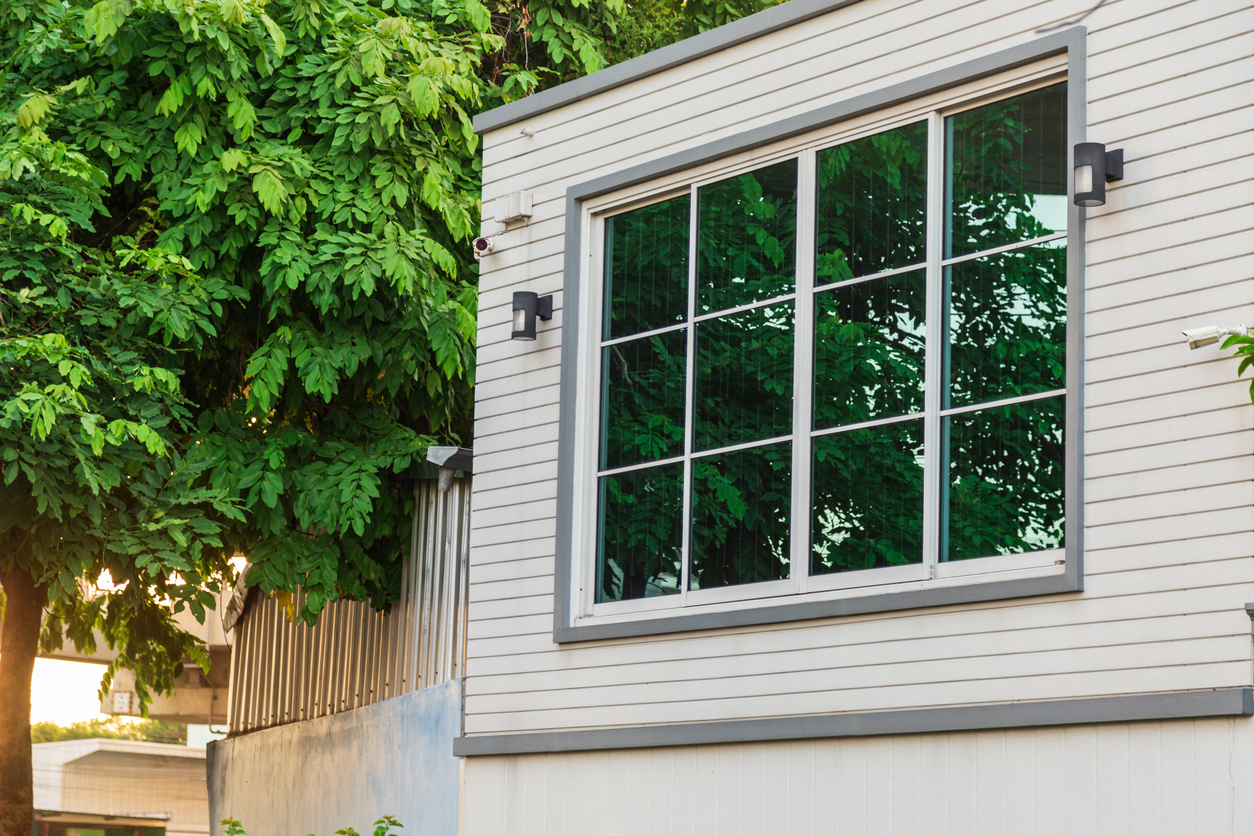

If rooms near your windows feel hotter in summer or colder in winter, the glass and frame may be letting too much outdoor heat move through the opening. For one thing, older single-pane windows can make this problem easier to notice. Drafts, hot glass, faded furnishings, and uneven room temperatures can all point to weak window performance.
Insulated windows are built to slow the movement of heat through the glass and frame. In most cases, two or more panes of glass sit around a sealed space. At the same time, that sealed space can contain air or an insulating gas, and many modern units use special glass coatings that help manage heat transfer from sunlight.
For homeowners, the idea is simple: a better window creates a stronger barrier between the indoor space and the weather outside. Still, glass alone doesn’t do all the work. The frame, spacer system, seals, glass coating, and installation all affect how well the finished window performs.
Statewide Energy Solutions helps North Texas homeowners compare glass packages, frame choices, styles, and installation needs without turning the process into a guessing game. Homeowners can review available window options and choose a setup that fits the home, room, budget, and comfort goals.
What Are Insulated Windows?
The term insulated windows usually refers to windows that use an insulated glass unit, often called an IGU. An IGU combines two or more panes of glass into one sealed unit. The space between the panes creates a buffer that slows heat movement compared with a basic single pane.
For example, a double-pane unit has two sheets of glass. A triple-pane unit has three. In practice, more panes can add insulating value, though the full window rating still depends on the glass package, frame, coatings, spacer, gas fill, and construction quality.
This is different from adding temporary insulation for windows with plastic film or heavy curtains. Those products can help with drafts or heat transfer in some homes, yet the original glass unit stays the same. A true insulated glass window has the insulating layers built into the window itself.
The U.S. Department of Energy reports that heat gain and heat loss through windows account for about 25% to 30% of residential heating and cooling energy use. That makes the window area a smart place to check when a home feels uncomfortable or heating and cooling costs seem harder to control.
How Do Insulated Windows Work?
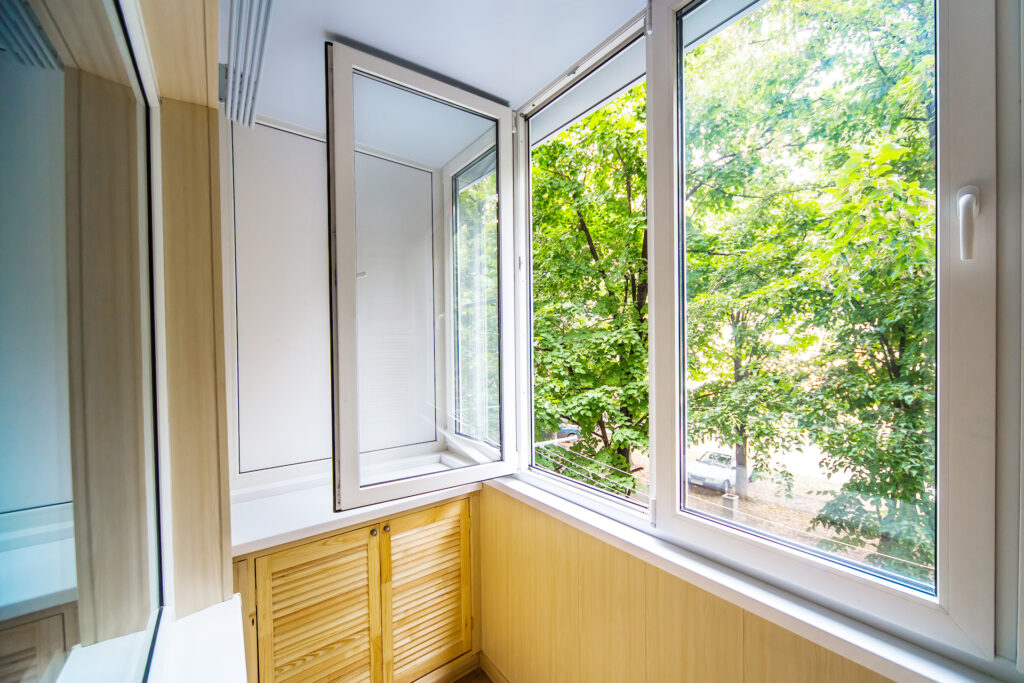
Insulated windows work by creating layers that slow heat transfer. Heat naturally moves from warmer areas to cooler areas. During a Texas summer, outdoor heat tries to move into the home. During colder weather, indoor heat can move toward the outdoors.
To start, the first layer is the glass itself. Two or three panes create more separation between indoor and outdoor conditions than one pane can provide.
Next, the sealed space between the panes adds another barrier. In many cases, insulated glass units use argon or another gas in this space. Gas fills can reduce heat transfer through the center of the glass when compared with an unsealed single pane.
Then, many modern windows use low-emissivity, or low-e, coatings. These very thin coatings help control radiant heat passing through the glass. The U.S. Department of Energy explains that low-e coatings can reduce energy loss through windows and are commonly used in insulated glazing.
Finally, the frame and installation help complete the system. A high-performing glass package can still lose comfort if the frame has gaps or the opening isn’t sealed correctly. For that reason, professional window replacement matters just as much as choosing the right glass.
What Parts Make Insulated Windows More Effective?
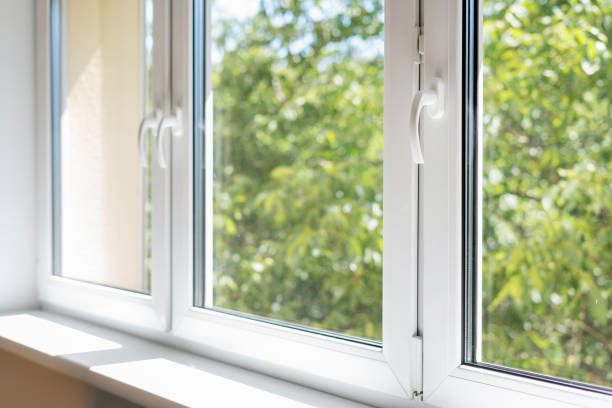
At a glance, several parts work together inside insulated windows. Each part has a job, and one weak point can reduce the performance of the full unit.
Multiple panes of glass create extra separation.
A second or third pane adds another layer between the room and outdoor air. This slows heat movement and can make the inside glass surface feel less affected by outdoor temperatures.
The sealed space limits direct heat transfer.
The gap between panes isn’t just empty room. It creates a controlled space that helps reduce heat movement. In many units, this space contains argon gas for added insulating value.
Low-e coatings help manage radiant heat.
Sunlight can bring a large amount of heat through a window, especially on exposed sides of a home. Low-e glass can help limit unwanted heat transfer without turning the opening into a solid wall.
Warm-edge or insulated spacers separate the panes.
Spacers keep the glass panes the correct distance apart and support the seal around the glass unit. Better spacer systems can reduce heat transfer near the edge of the glass.
Frames support the glass and seal the opening.
Vinyl, composite, wood, and other frame materials perform differently. Good construction and a tight fit help stop air from slipping around the window assembly.
Professional installation closes the remaining gaps.
The wall opening must be measured, set, leveled, insulated, and sealed correctly. A good window installed poorly can still feel drafty, so installation quality deserves the same attention as the window rating.
How Can Insulated Windows Improve Home Comfort?
In day-to-day life, comfort is often the first change homeowners notice, though energy use matters too. For example, a room with weak windows may feel fine in the center and uncomfortable near the glass. During hot weather, sunlight can make the area next to a window feel much warmer. During cold weather, the glass can feel chilly enough to make nearby seating less comfortable.
Insulated windows help reduce those sharp temperature changes. Better glass packages can keep interior glass temperatures closer to the room temperature, which may make living rooms, bedrooms, offices, and dining areas feel more consistent.
At the same time, multi-pane glass can help reduce some outdoor noise. It won’t turn a busy street into total silence, yet the extra glass and sealed construction can make common outside sounds less noticeable.
In some homes, condensation may improve too. Surface condensation often forms when warm, moist indoor air touches a cold glass surface. A better-insulated glass unit can keep the inside pane warmer during cold conditions, which can reduce the chance of moisture forming on the interior surface. Indoor humidity still plays a role, so window replacement isn’t a cure for every moisture problem.
Are Insulated Windows the Same as Window Insulation?
No. In this case, insulated windows are manufactured with insulating features built into the unit. Window insulation is a broader term that can include temporary or low-cost ways to reduce drafts and heat transfer around an existing window.
For example, homeowners searching for how to insulate windows may find several short-term options:
Weatherstripping can reduce air leaks around moving parts.
This can help when the sash closes but still allows small drafts around the edges. The material needs to match the window and should not block drainage paths or normal operation.
Caulk can seal small stationary gaps.
Gaps around trim or the meeting point between building materials can let outdoor air enter. New caulk can help in the right location, but it won’t repair failed insulated glass or a damaged frame.
Window film can add another layer over existing glass.
Plastic shrink film is often used as seasonal insulation for windows. It can reduce some drafts and create an extra air pocket, though it doesn’t turn an old single-pane unit into a modern sealed IGU.
Curtains, cellular shades, and other coverings can reduce heat movement near the glass.
These products can make a room feel more comfortable during certain parts of the day. The result depends on the covering, fit, window orientation, and how the covering is used.
For smaller problems, these methods can be useful when a window is still in good condition. Yet repeated drafts, fogging between panes, damaged frames, difficult operation, or very poor energy performance may point to a larger window problem.
When Should Homeowners Replace Insulated Windows?
At the same time, a window doesn’t need replacement just for being old. Condition and performance matter more than age alone. Still, several signs can tell you it’s time to have the windows checked.
Watch for drafts that return after basic sealing, visible damage around the frame, glass that feels extremely hot or cold, fog or moisture trapped between panes, windows that stick or won’t lock correctly, and rooms that stay uncomfortable compared with the rest of the home.
For instance, fogging between panes is a common sign of a failed insulated glass seal. Once the sealed space loses its seal, moisture can enter the unit. At that point, wiping the inside or outside surface won’t remove the haze trapped between the panes.
In homes with several problem windows, replacement can give homeowners a chance to choose a modern glass package, update the style, improve operation, and correct poor sealing around the opening at the same time.
Statewide Energy Solutions can inspect the current windows, explain what is causing the problem, and discuss replacement choices without making the conversation harder than it needs to be. Homeowners can read customer reviews and check the areas we serve before scheduling a consultation.
How Do You Choose the Right Insulated Windows?
In practice, the best insulated windows for one home may not be the best choice for another. Window direction, room use, shade, home design, frame condition, and budget can change what makes sense.
Start with the glass package. Ask how many panes the unit has, whether it uses low-e glass, what gas fill is included, and what energy ratings apply to the full window.
Next, look at the frame. The frame should fit the home’s needs and provide a good seal around the glass. It should open, close, and lock smoothly in the chosen style.
From there, check the NFRC ratings. U-factor measures how well a window limits heat transfer. Solar Heat Gain Coefficient, or SHGC, measures how much solar heat passes through the window. In a hot climate, these numbers can help compare one product with another.
Statewide Energy Solutions manufactures windows in North Texas and offers Texas Energy Pro and Maxx window lines with energy-focused glass and frame choices for local homes. The goal is to match the product to the home rather than sell the same setup for every opening.
Why Choose Statewide Energy Solutions for Insulated Windows?
For one thing, buying insulated windows involves more than choosing a pane count from a brochure. The window must fit the opening, match the room, meet the homeowner’s goals, and be installed with careful sealing around the frame.
Statewide Energy Solutions can help with the full process, from product selection through installation. Our team can explain glass packages in plain language, compare window styles, take accurate measurements, and install the selected units with the opening sealed for long-term performance.
From there, homeowners can see window options, learn more about window replacement, read reviews, and check service areas before getting started.
Get a Quote for Insulated Windows From Statewide Energy Solutions
In the end, good window insulation starts with the right product and a clean, tight installation. If your home has drafty rooms, hot glass, failed seals, or older windows that no longer perform the way you want, Statewide Energy Solutions can help you compare practical replacement choices.
Talk with Statewide Energy Solutions about insulated windows, glass packages, frame styles, and installation for your home. Call (800) 339-4326 or visit the Contact Page to request a consultation.
Frequently Asked Questions About Insulated Windows
Do insulated windows keep heat out?
A well-selected insulated window can reduce heat transfer through the window when the glass package, frame, coatings, and installation are suited to the home. Low-e coatings and lower SHGC ratings can be useful in hot climates where solar heat gain is a major concern.
Can insulated windows reduce cold drafts?
Yes, a properly installed window can reduce air leakage around the opening. If the draft comes from gaps around trim or old weatherstripping, sealing may help. If the frame or window unit has failed, replacement may make more sense.
How long do insulated windows last?
Service life varies based on materials, weather exposure, installation quality, maintenance, and seal condition. A window that still opens, closes, locks, and keeps its glass seal may continue to perform well for many years.
Can you repair foggy insulated windows?
Fog trapped between panes usually means the insulated glass seal has failed. Depending on the window, the glass unit may be replaceable, or a full window replacement may be the better choice.
Is triple-pane glass always better than double-pane glass?
Not for every project. Triple-pane glass can provide more insulating value, yet cost, weight, climate, frame design, and the rest of the glass package still matter. A well-selected double-pane unit can be a strong fit for many North Texas homes.
What is the best way to learn how to insulate windows without replacing them?
Start by checking for air leaks around the sash, frame, and trim. Weatherstripping, caulk, film, or insulated coverings may help with smaller issues. If the window has failed glass seals, frame damage, or poor operation, a professional inspection can show whether repair or replacement makes more sense.