
New siding can change the whole look of a home, and it protects everything behind those walls, too. So before any work starts, most homeowners want one big question answered first: how much is this going to cost? That’s a fair thing to ask. The cost of siding installation comes down to a handful of things, and knowing them up front makes the whole project feel a lot less stressful. Statewide Energy Solutions believes in clear pricing and zero surprises, so here’s the detailed explanation of what shapes your bill in 2026.
What Really Goes Into the Cost of Siding Installation?
When you picture siding, you probably just see the panels on the outside of a house. There’s a lot more under the surface, though. The cost of siding installation covers materials, labor, prep work, and a few extras that keep your home safe for years to come. Let’s break the main pieces down so nothing catches you off guard.
Materials
This is the siding itself, plus trim, flashing, fasteners, and house wrap. Cheaper products lower the price up front, but they sometimes wear out faster. Better materials cost a bit more now and tend to save money over the long haul, so it pays to think past the sticker price.
Labor
Skilled crews don’t come cheap, and that’s a good thing. Proper work keeps water out and keeps panels straight, so paying for experienced hands is money well spent. A rushed, sloppy job almost always costs more to fix later.
Prep and removal
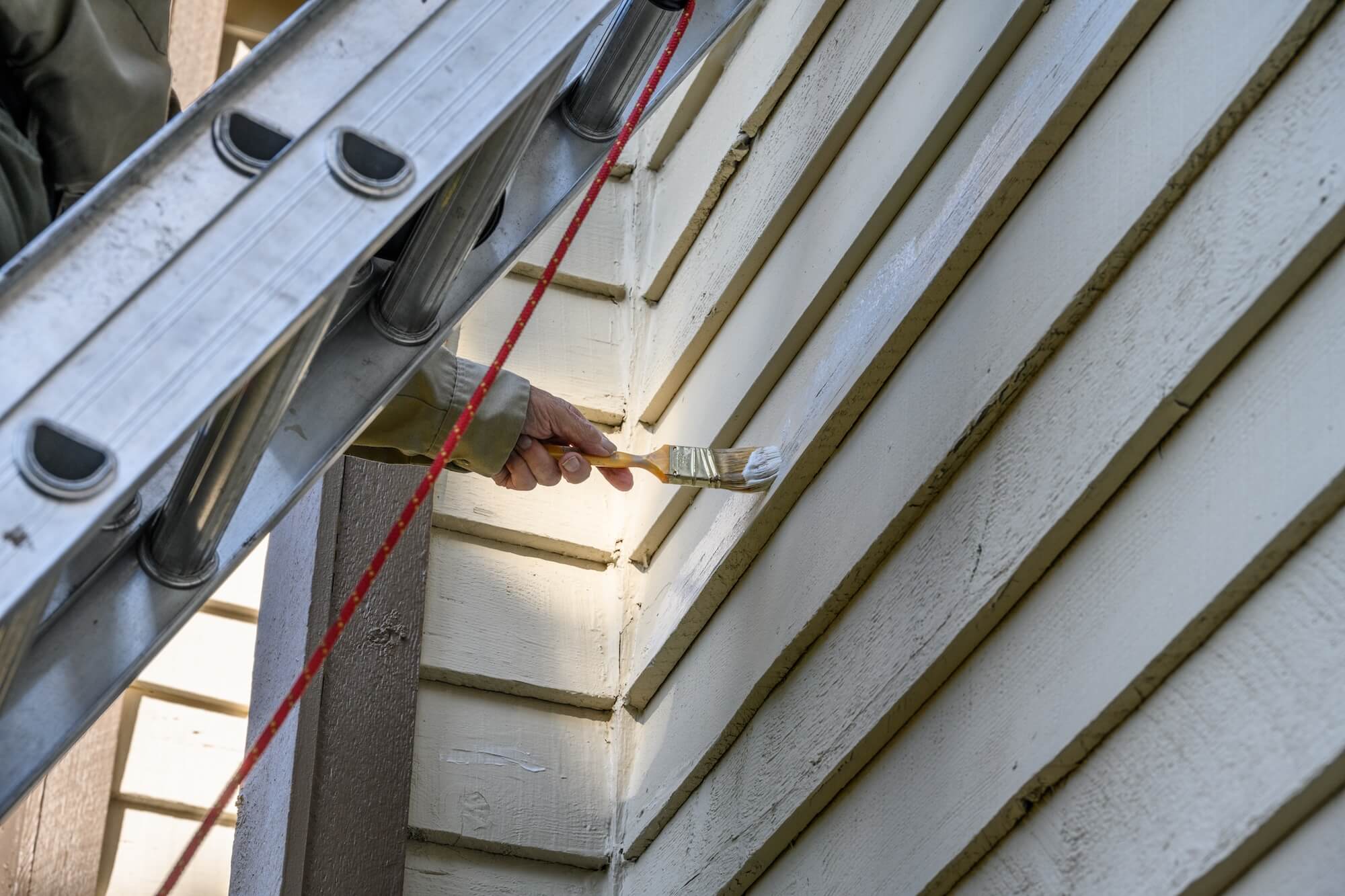
Old siding has to come off before new siding goes on. Hauling away that old material, fixing any rotted wood underneath, and prepping the wall all add to the total. Skip these steps and you’ll only buy yourself headaches down the road.
What Affects the Cost to Side a House in 2026?
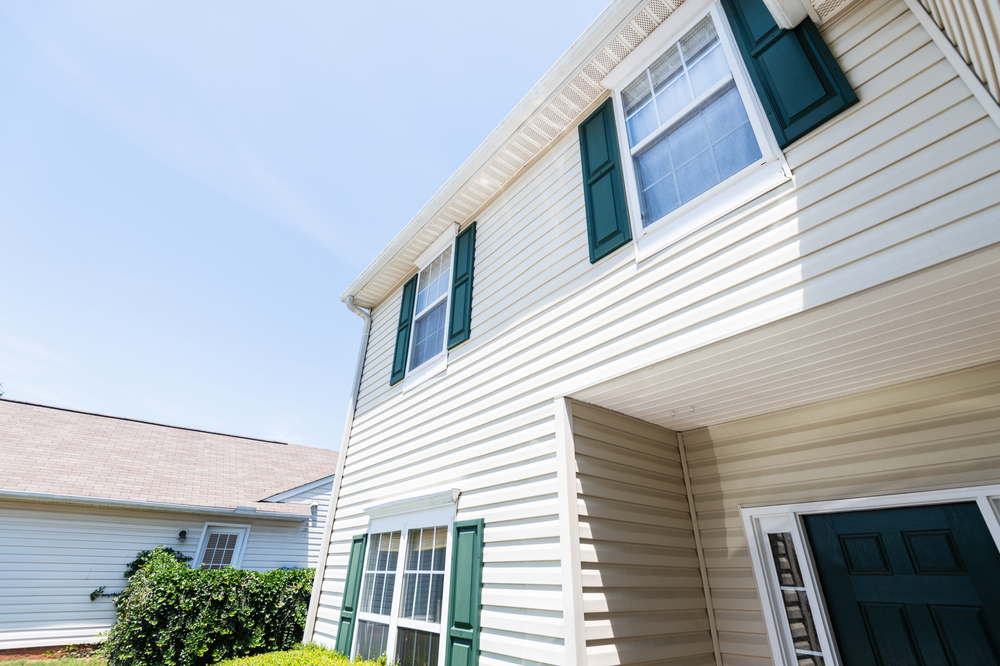
No two homes are exactly alike, so no two quotes look the same either. The cost to side a house swings up or down based on your specific property. Here are the biggest factors the team looks at when pricing a job:
The size of your home.
This one’s simple. More wall space means more material and more hours on the job, so a large two-story home naturally costs more than a small ranch. Crews measure your exterior in square feet to get an honest number.
The siding material you pick.
Vinyl, fiber cement, engineered wood, and metal all sit at different price points. Your choice here moves the needle more than almost anything else, so it’s worth weighing looks, upkeep, and lifespan together.
The shape of your house.
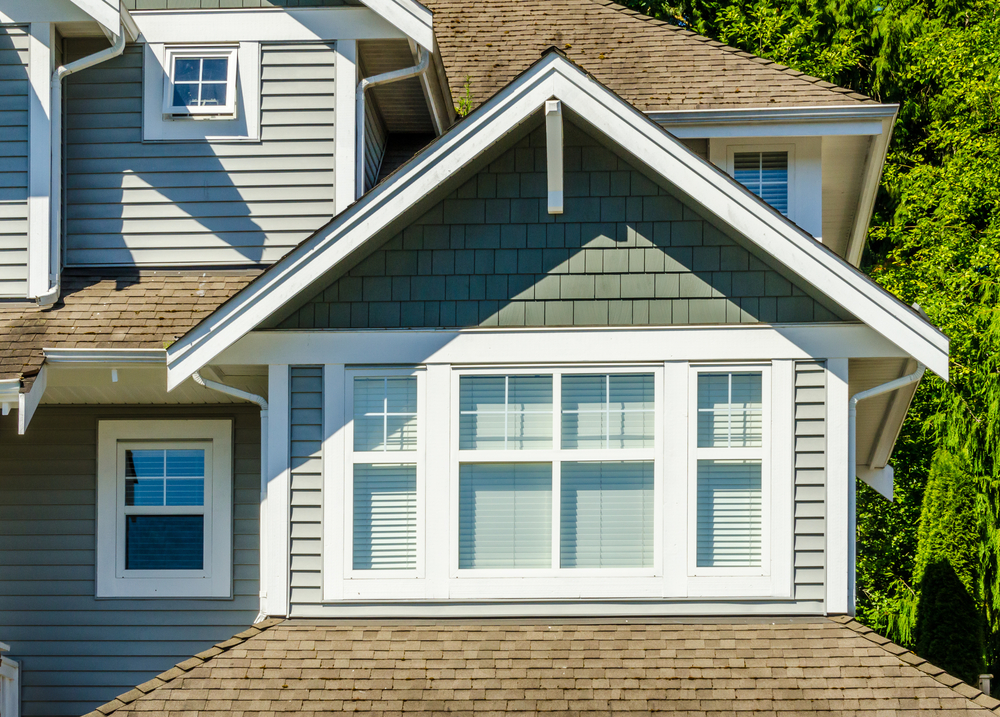
Lots of corners, peaks, dormers, and tricky angles take more time and skill to wrap correctly. A boxy home is quicker to side than one with a complicated roofline, and that extra labor shows up in the price.
The condition of your walls.
If the crew finds soft, rotted, or water-damaged wood once the old siding comes off, that repair gets added on. Catching these problems now keeps small issues from turning into expensive ones.
Where you live.
Local labor rates, permit fees, and even weather patterns play a part. Homes in tougher climates sometimes need extra moisture protection, which nudges the total a little higher.
Breaking Down the Cost of Siding Installation by Material
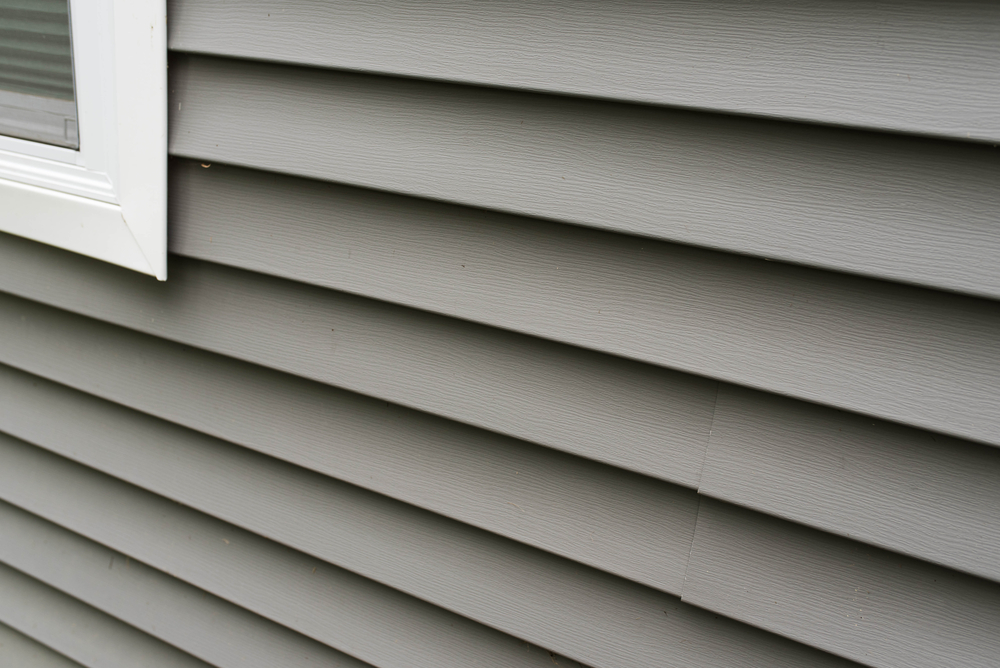
Material is the part of the cost of siding installation that you have the most control over, so it deserves a closer look. Each option has its own personality, and the right pick depends on your budget and your taste.
- Vinyl siding sits at the friendly end of the price range. It’s affordable, comes in tons of colors, and asks for very little upkeep. For homeowners watching their dollars closely, vinyl gives a clean, fresh look without breaking the bank.
- Fiber cement lands in the middle-to-higher range, and for good reason. It stands up to fire, bugs, and rough weather like a champ, and it can mimic the look of real wood. Many homeowners see the cost of installing siding made from fiber cement as a smart long-term play.
- Engineered wood offers that warm, natural wood appearance at a friendlier price than the real thing. It’s lighter and easier to work with too, which can trim a few labor hours off the job.
- Metal siding brings a sleek, modern edge and serious durability. It costs more up front, but it shrugs off harsh conditions and keeps its shape for decades, so the value stretches a long way.
Keep in mind that the cost of siding installed isn’t just about the panel you choose. Trim, color matching, and texture upgrades all factor in, and a good crew will walk you through each one before you commit.
Hidden Extras That Shape the Cost of Siding Installation
Now, here’s the part nobody loves talking about, but it matters. A few “behind the scenes” items can change your final number, and a trustworthy company tells you about them up front instead of springing them on you later. The truth is, an honest quote accounts for the whole picture, not just the easy stuff.
Insulation upgrades
Adding insulated siding or a layer of foam board boosts your home’s comfort and can lower energy bills. It raises the cost of siding installation a bit, yet many homeowners feel the payoff in their monthly heating and cooling costs.
Permits and disposal
Most siding projects need a permit, and that old material has to go somewhere. These fees are small next to the whole job, but they’re real, so a fair estimate includes them.
Trim and accent details
Window trim, corner posts, soffit, and fascia tie the whole look together. Skimping here can leave a home looking unfinished, so quality trim is worth folding into the plan.
By the way, fresh siding pairs beautifully with updated windows. If your home’s exterior is getting a full refresh, it’s a great time to look at window replacement and the full range of window options too. Doing both at once often saves time and keeps your home’s style consistent from top to bottom.
How Statewide Energy Solutions Keeps the Cost of Siding Installation Fair
So why trust this work to Statewide Energy Solutions? It comes down to honesty, skill, and respect for your home. Every quote starts with a real look at your property, not a guess over the phone. From there, you get a clear breakdown of materials, labor, and any extras, so you always know exactly what you’re paying for.
The crew treats each home like its own. Whether your house has a simple shape or a wall full of tricky angles, the goal stays the same: tight, weatherproof siding that looks great and lasts. Quality work the first time means you won’t be calling somebody to redo it in a few years, and that’s the kind of value that’s hard to beat. Homeowners across the region have shared their experiences, and you can read those honest customer reviews to see what working with the team is really like.
Worried about whether service reaches your neighborhood? Take a quick look at the areas we serve to confirm. Chances are good your town is on the list, and a friendly estimate is only a phone call away.
How to Save on the Cost of Installing Siding
Everybody likes a smart deal, so here are a few honest ways to keep the cost of installing siding reasonable without cutting corners on quality:
- Plan ahead: Booking your project during a slower season can sometimes land you a better rate. Crews have more open dates, and that flexibility works in your favor.
- Bundle your projects: Pairing siding with windows or other exterior upgrades often trims the overall cost, since the crew is already on site and set up to work.
- Pick the right material for your goals: The cheapest panel isn’t always the best buy. Matching your material to your climate and how long you plan to stay in the home usually saves money over time.
Contact Statewide Energy Solutions for Siding Installation Services in Dallas, TX
At the end of the day, fresh siding is one of the best investments you can make in your home. It boosts curb appeal, guards against the weather, and can even cut your energy costs. The cost of siding installation is shaped by your home’s size, your material choice, and the prep your walls need, but a clear, honest quote takes all the mystery out of it. With the right team, the whole process feels smooth from the first measurement to the final panel.
Ready to see real numbers for your home? Statewide Energy Solutions is here to help with a free, no-pressure estimate. Call today at (800) 339-4326 or reach out through the contact page to get started. Your home’s fresh new look is closer than you think.
FAQs About the Cost of Siding Installation
How much does siding cost in 2026?
The price changes from home to home, so there’s no single magic number. The cost of siding installation depends on your home’s size, the material you choose, and the shape of your walls. The best way to get a true figure is a free, in-person estimate that’s built around your actual house.
Which siding material gives the best value?
That depends on what you want. Vinyl wins on price and easy upkeep, while fiber cement and metal cost more but last a very long time. A quick chat with the team helps match the right material to your budget and your goals.
Does new siding really lower my energy bills?
It can, yes. Insulated siding adds a protective layer that helps keep warm air in during winter and out during summer. Many homeowners notice steadier indoor temperatures and friendlier utility bills after an upgrade. For more details on how exterior home upgrades can affect energy use, the U.S. Department of Energy offers helpful guidance at energy.gov. This explains how insulation, air sealing, and energy-efficient improvements can help reduce heat loss, improve indoor comfort, and support better overall energy performance throughout the home.
How long does a siding project take?
Most homes wrap up in a few days to a couple of weeks, depending on size and complexity. Weather can stretch the timeline a little, but a good crew keeps you posted every step of the way.
Is the old siding removal included in the price?
With Statewide Energy Solutions, removal and disposal are spelled out clearly in your estimate. You won’t get blindsided by surprise charges, and that peace of mind is part of the deal.