
Choosing between a bay vs bow window feels tricky at first glance, yet the decision becomes clearer once the structure and purpose of each style are simply explained. Both designs extend outward from the wall, add square footage, and bring in more natural light. Still, the way each one achieves that effect changes the look, the cost, and the installation process.
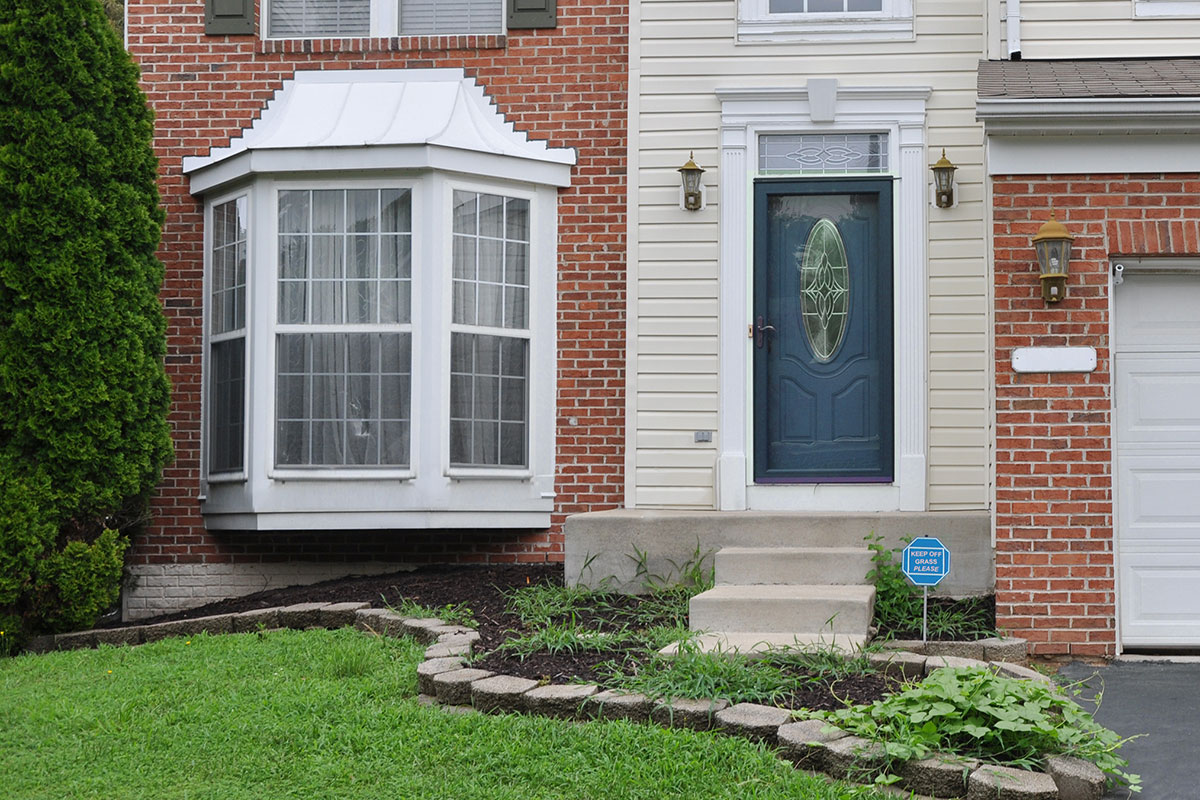
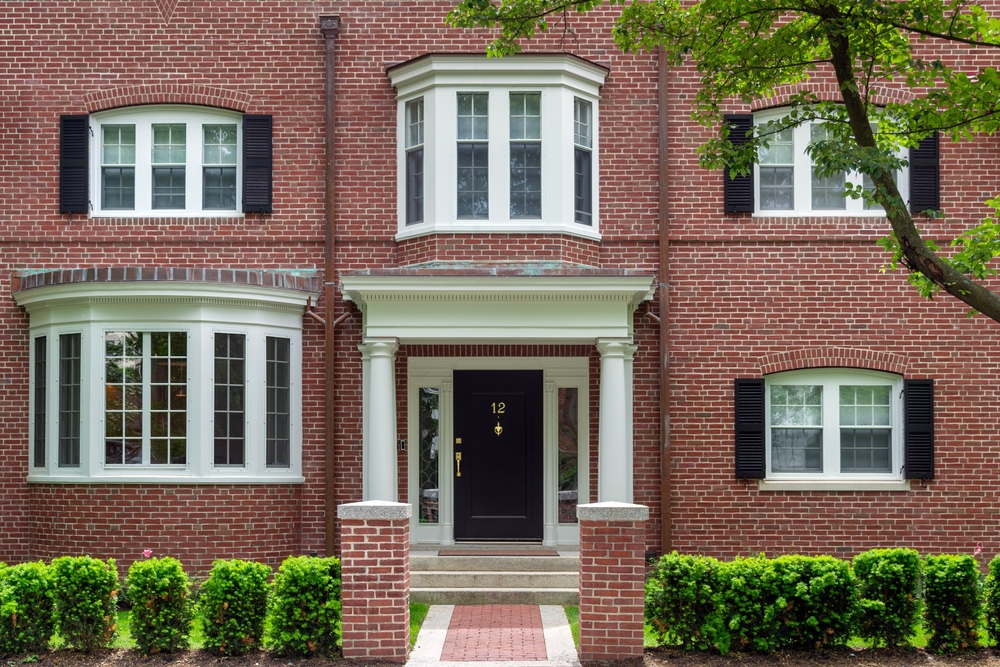
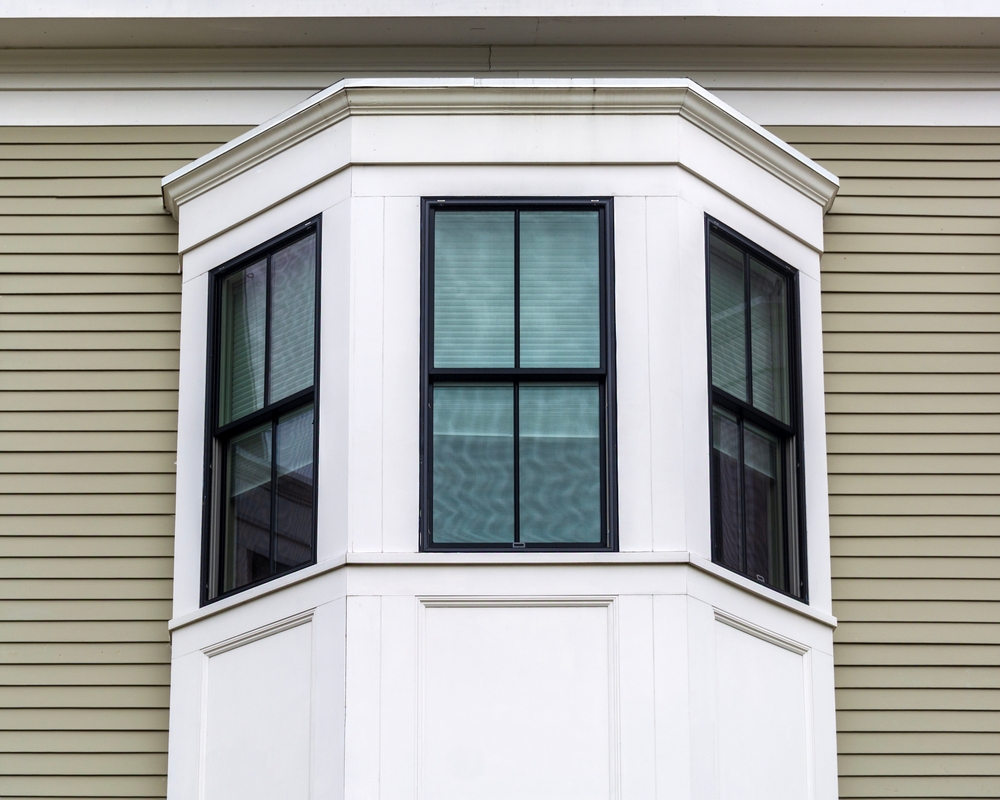
A bay window uses three panels. The center pane sits flat, and the side panes angle outward. That shape forms a sharp corner that creates a shelf-like space inside the home. A bow window uses four to six panels that curve gently. Instead of a corner, the design forms a smooth arc that wraps around the exterior wall.
That structural difference matters. A bay versus bow window comparison isn’t just about style. It affects airflow, framing needs, and how the window interacts with the rest of the house. Many homeowners want the dramatic appearance of a bay window. Others prefer the softer curve of a bow window that feels wider and more panoramic.
For a deeper look at available designs, the full range of window options shows how these styles fit into different home layouts.
Bay vs Bow Window Style Impact on Interior Space
The interior experience changes the moment a window projects outward. A bay vs bow window decision shapes how a room feels, how furniture fits, and how sunlight moves across the floor.
- A bay window creates a defined nook. That nook works great for seating, plants, or storage. The angled sides create a visual break that gives the room a focal point. Many homeowners turn that space into a reading bench or breakfast area. The lines feel bold and architectural.
- A bow window stretches the view. The curved layout opens a wider angle to the outside, which lets more light spread evenly across the room. Instead of a corner feature, the design blends into the wall. That smooth shape suits living rooms and front-facing spaces where curb appeal matters.
Both styles increase visual space. A bay window vs bow window comparison often comes down to personality. One feels structured and defined. The other feels open and flowing.
Bay vs Bow Window Energy Performance and Comfort
Energy efficiency matters just as much as appearance. A projecting window introduces more glass area, which means insulation and sealing must stay top quality.
Modern bay and bow windows use insulated frames and multi-pane glass. When installed properly, neither style sacrifices comfort. Drafts, heat loss, and condensation depend on installation quality, not just design.
According to the U.S. Department of Energy, energy-efficient windows reduce heating and cooling strain and improve indoor comfort. That’s why professional installation stays critical.
Statewide Energy Solutions installs high-performance windows that match the home’s structure. The process includes structural support, airtight sealing, and insulation that keeps indoor temperatures steady year-round.
Homeowners looking into window replacement often notice immediate comfort improvements once outdated windows are upgraded.
Bay vs Bow Window Cost Breakdown
Cost questions always come up early in the conversation. A bay vs bow window project costs more than a flat window replacement. The extended frame, added materials, and structural support raise the price. Still, the long-term value often balances the investment.
A typical breakdown includes:
- Bay window pricing – Bay windows use fewer panels, which usually lowers material costs. The angled structure needs reinforced framing, though, and that adds labor time. Installation often runs faster than bow windows. Homeowners choose bay windows when they want a strong visual feature without paying for extra glass sections.
- Bow window pricing – Bow windows include more panels and curved framing. That extra glass increases the cost. Installation requires precision alignment, which takes additional time. The payoff comes in the panoramic view and increased natural light. Many homeowners see bow windows as a design upgrade that adds resale appeal.
Actual pricing depends on size, materials, and installation complexity. Homes with older framing or unusual wall structures may require additional support. A detailed quote always reflects the home’s specific needs.
Customer feedback often highlights satisfaction after installation. Reviews from real homeowners appear on the reviews page, where clients talk about comfort gains and visual upgrades.
Bay vs Bow Window Installation Considerations
Installation isn’t a simple swap. A bay vs bow window installation changes the wall opening and requires structural support. That step protects the home’s exterior wall from sagging and moisture issues.
Proper installation includes:
- Structural reinforcement under the window projection. That support carries the extra weight safely and prevents shifting over time.
- Weatherproof sealing around every edge. Tight seals block air leaks and water intrusion that damage framing.
- Interior finishing that blends with the existing trim. Clean finishing makes the new window look original to the house.
Statewide Energy Solutions handles the full process from measurement to finishing. That single-team approach reduces delays and keeps the installation consistent.
Contact Statewide Energy Solutions for Bay or Bow Window Installation
A bay vs bow window decision isn’t about right or wrong. It’s about matching style, budget, and room layout. Bay windows deliver strong angles and defined space. Bow windows bring wider views and smooth curves. Both upgrade the home’s appearance and comfort when installed correctly.
Statewide Energy Solutions helps homeowners choose the window style that fits their home and goals. Expert installation protects the structure, improves efficiency, and adds long-term value.
Ready to talk through options? Call (800) 339-4326 or visit the contact page to schedule a consultation. A professional walkthrough answers questions, explains pricing, and helps move the project forward with confidence.
FAQs About Bay vs Bow Windows
Which window style adds more home value?
Both styles add curb appeal and interior space. Bay windows stand out visually, while bow windows attract buyers who want wide views and extra light.
Which window is easier to maintain?
Maintenance stays similar. More panels in bow windows mean more glass to clean. Modern coatings reduce dirt buildup either way.
Do these windows work in small rooms?
Yes. Bay windows create a compact nook, which suits smaller spaces. Bow windows work best where wall space allows a gentle curve.
Can energy-efficient glass be added?
Yes. Double- and triple-pane glass options improve insulation and noise reduction.
Does installation take long?
Most installations finish in one to two days, depending on wall structure and finishing details.