
Choosing new windows can feel confusing at first glance, yet the right choice makes a big difference in comfort, monthly bills, and the overall feel of a home. Windows that waste heat in winter and trap heat in summer force heating and cooling systems to work overtime. That strain shows up on energy bills month after month. For that reason, many homeowners ask the same question: what are the most energy efficient windows?
The answer depends on materials, glass technology, and installation quality. A window that looks good on paper still fails if the installation falls short. That’s why professional window replacement matters just as much as the product itself. Statewide Energy Solutions installs energy-efficient windows that reduce heat transfer, help stabilize indoor temperature, and support long-term savings.
According to the U.S. Department of Energy, heat gain and loss through windows accounts for a large portion of residential energy use. Upgrading to high-performance windows can reduce energy waste and improve comfort year-round
That improvement isn’t just technical jargon. It translates into rooms that stay warmer in winter, cooler in summer, and quieter during storms or street noise.
How Energy-Efficient Windows Improve Energy Efficiency
Modern window design uses layered technology to control heat flow. Older single-pane windows allow air leakage and temperature swings. Newer systems slow that transfer and seal the home envelope.
Key features of energy-efficient windows include:
- Multiple Glass Panes: Double or triple panes create insulating layers that slow heat movement. Each layer adds resistance against outdoor temperatures. That insulation keeps indoor air stable and reduces the workload on HVAC systems. A multi-pane design also improves sound reduction, which adds comfort in busy neighborhoods.
- Low-E Coatings: A microscopic coating reflects heat while allowing natural light to pass through. During winter, interior heat stays inside the home. During summer, exterior heat stays outside. That balance keeps rooms bright without turning them into hot spots near the glass.
- Gas Fills Between Panes: Argon or krypton gas fills the space between panes. These gases conduct less heat than regular air. That small detail boosts insulation performance and increases overall window efficiency. Over time, that added efficiency supports lower heating and cooling costs.
- Tight Frame Construction: Strong frame materials prevent warping and air leaks. A tight seal blocks drafts that cause cold spots near windows. A stable frame protects the insulating glass unit and keeps performance consistent year after year.
These features work together as a system. A window that includes all of them delivers real performance gains instead of marketing promises.
Types of Energy-Efficient Windows and Energy Efficient Replacement Options
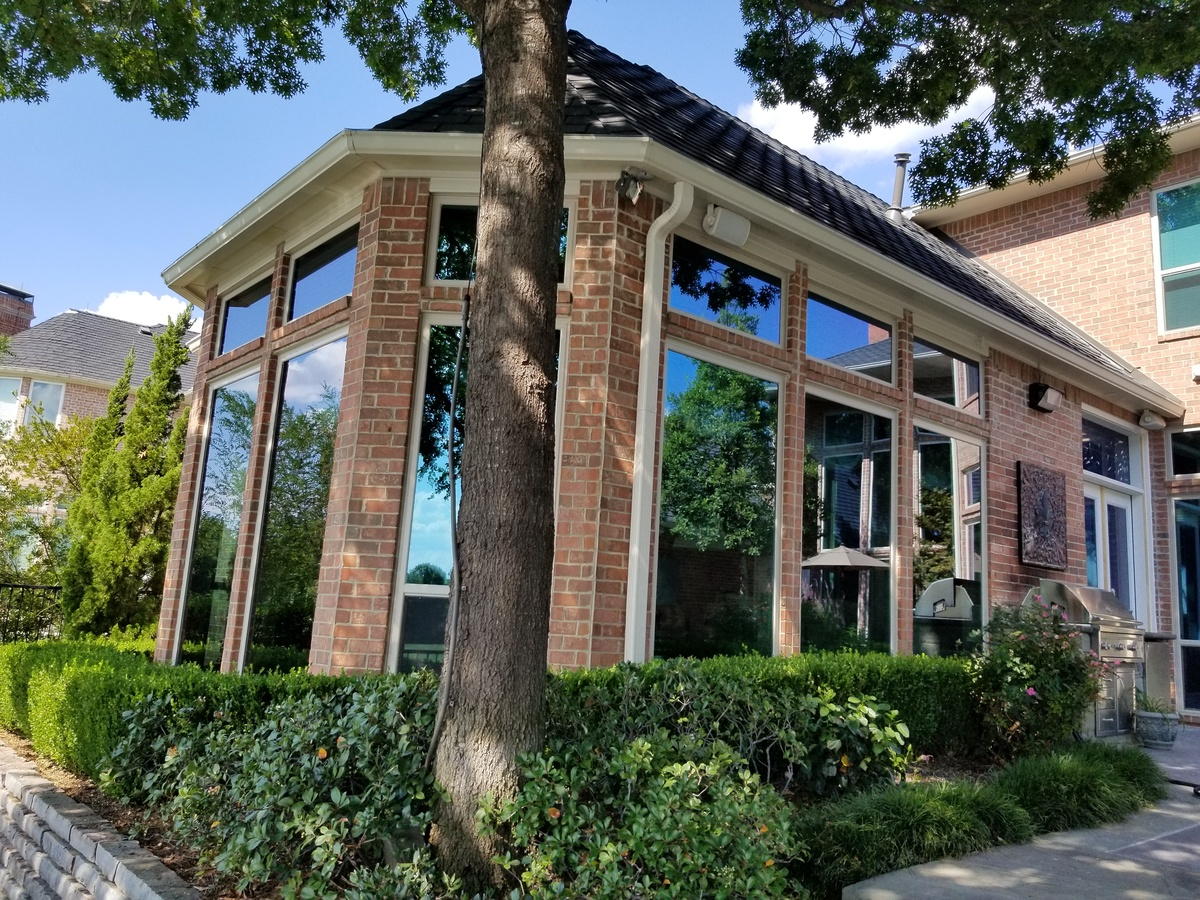
Homeowners often ask which style delivers the best efficiency. The answer varies based on climate, home design, and budget. Still, a few window types stand out in energy performance.
- Vinyl Replacement Windows: Vinyl frames resist moisture, temperature swings, and corrosion. They insulate better than older aluminum frames and require minimal upkeep. Vinyl windows maintain tight seals over time, which protects efficiency and prevents drafts. For homeowners seeking energy efficient replacement windows without heavy maintenance, vinyl offers a practical balance of cost and performance.
- Fiberglass Windows: Fiberglass frames expand and contract at nearly the same rate as glass. That stability preserves the seal between the frame and panes. A secure seal prevents air leakage and supports long-term insulation. Fiberglass also handles extreme temperatures well, which makes it a strong choice for homes exposed to seasonal extremes.
- Composite Windows: Composite frames blend materials to increase strength and insulation. They resist warping and maintain structural integrity. That durability protects the glass unit and helps the window perform consistently. Composite windows suit homeowners who want efficiency paired with a premium finish.
More details about styles and materials appear on the Statewide Energy Solutions Window Options page, which outlines choices for different homes and budgets.
Why Professional Installation Matters for Energy-Efficient Windows
Even the best window loses value if installed poorly. Gaps, uneven framing, or weak sealing allow air infiltration. That leakage cancels out efficiency gains and shortens the window’s lifespan.
Professional installers measure precisely, level the frame, and seal every opening. That attention to detail protects insulation and structural integrity. A proper installation keeps performance intact and prevents moisture intrusion that can damage walls.
Homeowners considering an upgrade can learn more about professional services through Statewide Energy Solutions’ Window Replacement page.
Customer experiences posted on the Reviews page show how installation quality impacts comfort and satisfaction.
Signs a Home Needs Energy-Efficient Windows
Many homes already signal that window replacement is overdue. These warning signs appear gradually, which makes them easy to ignore:
- Drafts near window frames
- Cold or hot spots in rooms
- Rising heating and cooling bills
- Condensation between panes
- Difficulty opening or closing windows
- Outside noise easily enters the home
Each symptom points to declining insulation performance. Upgrading to energy-efficient windows corrects those issues and improves indoor comfort.
Contact Statewide Energy Solutions for Energy-Efficient Windows Options in Dallas, TX
Upgrading windows changes how a home feels every day. Rooms stay more comfortable, heating and cooling systems run more smoothly, and energy waste drops. The right window system combines advanced glass technology, durable frames, and precise installation.
Statewide Energy Solutions helps homeowners choose and install energy-efficient windows that match their needs and budget. Questions about window performance, styles, or scheduling a consultation can be answered quickly by calling (800) 339-4326 or visiting the Contact Page
A home should work for its owner, not against the thermostat. The right windows make that possible.
FAQs About Energy-Efficient Windows
What are the most energy efficient windows for cold climates?
Double or triple-pane windows with Low-E coatings and gas fills perform well in colder regions. These windows reduce heat loss and prevent drafts.
Do energy efficient replacement windows really lower energy bills?
Yes. Reduced heat transfer lowers the demand on heating and cooling systems. Over time, homeowners notice more stable indoor temperatures and smaller utility bills.
How long do energy-efficient windows last?
High-quality windows installed professionally can last decades. Proper sealing and durable materials protect long-term performance.
Are energy-efficient windows worth the investment?
Lower bills, improved comfort, noise reduction, and increased home value support the investment. Many homeowners view the upgrade as both a comfort improvement and a financial decision.