
When homeowners compare single hung vs double hung windows, the goal usually sounds simple: pick a window that looks good, works well, and fits the room. Still, once the choices are on the table, the decision can feel a little tricky. One style may cost less. Another may clean more easily. One may work fine in a guest room, yet another may make more sense in a bathroom, kitchen, or second-floor bedroom.
Statewide Energy Solutions helps homeowners sort that out. The right window style is not just about looks. It affects airflow, cleaning, comfort, safety, and day-to-day use. So, before choosing a full-house window package, it helps to look at how each room actually functions.
Single Hung vs Double Hung Windows: What Is a Single Hung vs Double Hung Window?
A lot of homeowners ask what the real difference is in single hung vs double hung windows. The answer comes down to how the sashes move.
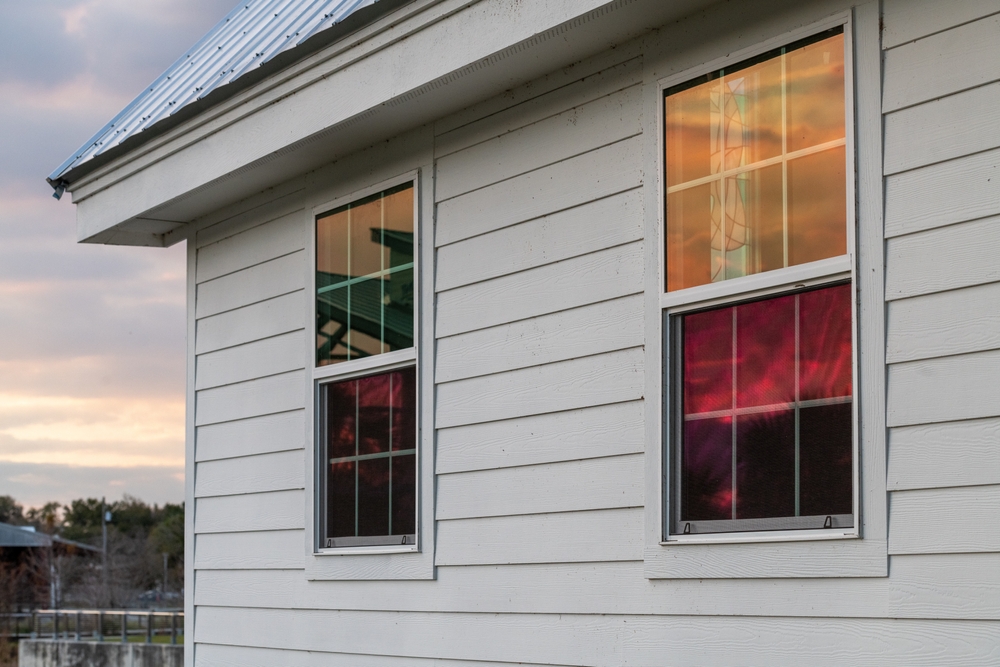
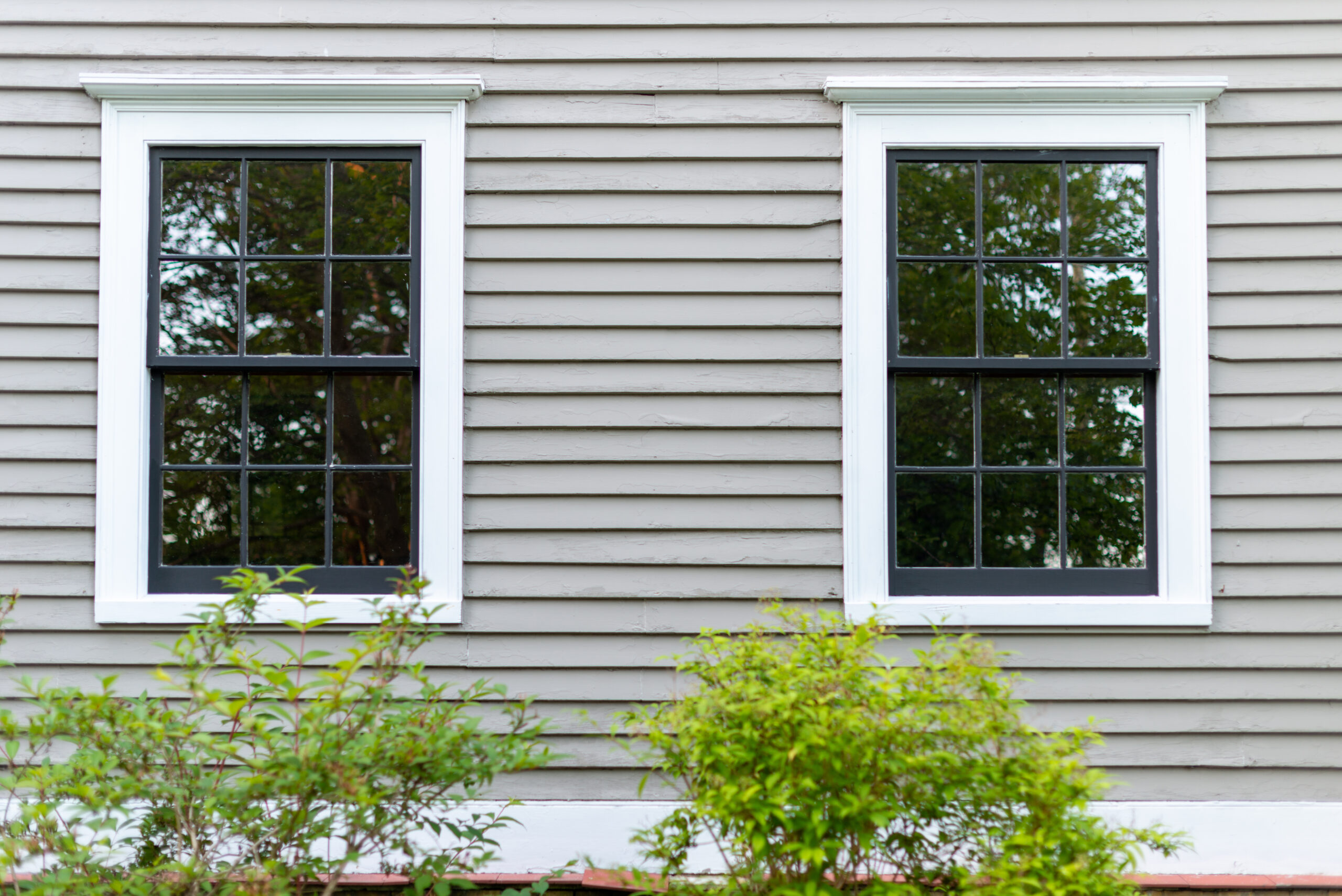
A single hung window has a fixed top sash and a bottom sash that opens up and down. A double hung window has two working sashes, which means both the top and bottom can move. That one change makes a big difference in how the window vents air, how easy it is to clean, and where it makes the most sense in the home.
So, in a single hung window vs double hung comparison, the single hung option is often more budget-friendly and simple to operate. The double hung option gives more flexibility and easier cleaning, which is a big plus in many rooms.
Single Hung vs Double Hung Windows: Difference Between Single and Double Hung Windows
The biggest difference between single and double hung windows shows up in daily use.
Single hung windows keep things simple.
The lower sash opens, so fresh air can come in from the bottom. Since the top sash stays locked in place, there are fewer moving parts. That setup often appeals to homeowners who want a clean look and a practical choice for rooms that do not need a lot of extra airflow control.
Double hung windows give more control.
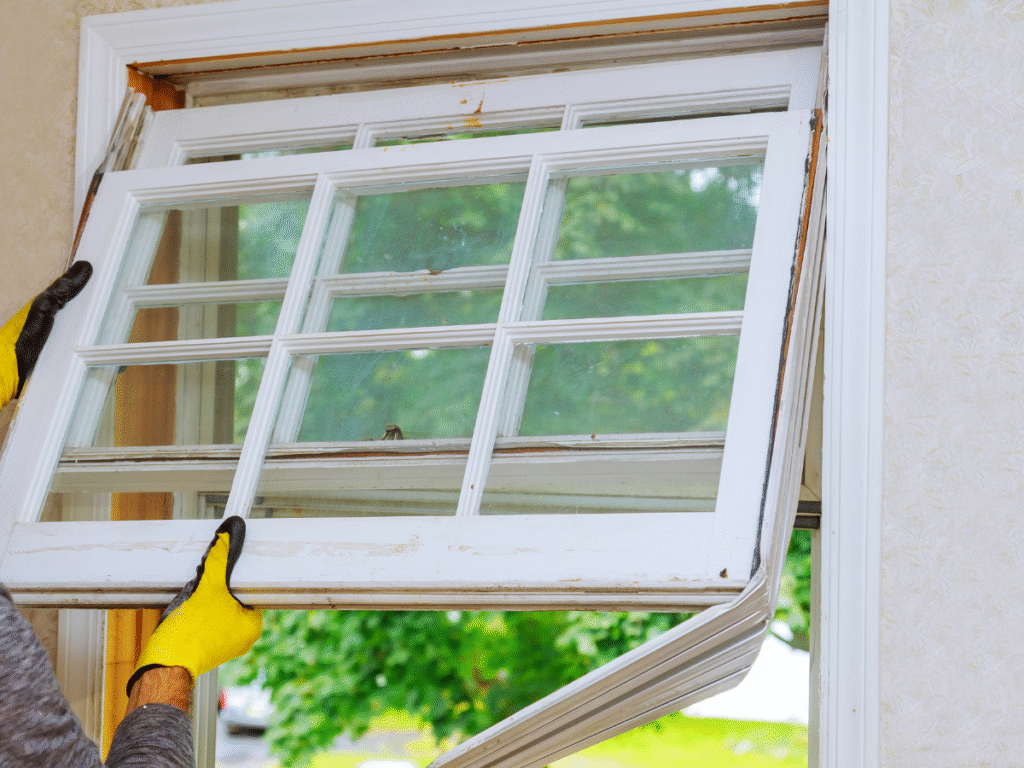
Since both sashes move, warm air can escape through the top opening and cooler air can come in through the bottom. That can make the room feel more comfortable, especially in spaces that get stuffy. On top of that, many double hung models tilt in, which makes cleaning much easier from inside the home.
Maintenance and access matter too.
In a first-floor room, outside glass may be easy to reach no matter which style gets installed. Yet in an upstairs bedroom, cleaning the outer glass on a single hung unit can be more of a chore. A double hung window often solves that problem without ladders or extra hassle.
Budget plays a role.
Single hung windows usually cost less than double hung windows. For that reason, many homeowners use single hung units in lower-priority rooms and save double hung units for spaces where airflow and cleaning matter more.
Single Hung vs Double Hung Windows in Bedrooms?
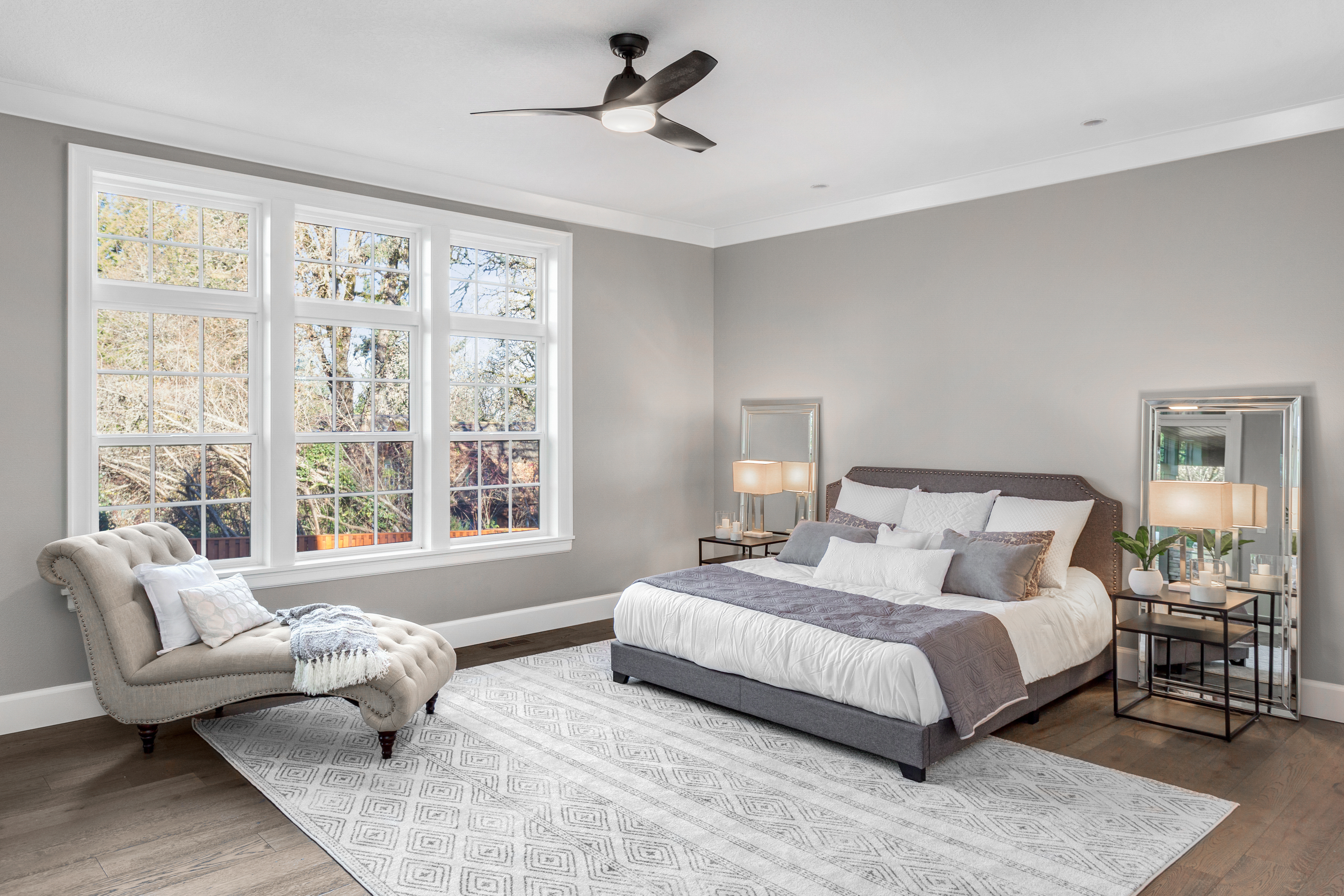
Bedrooms are one of the most common places where the single hung vs double hung windows choice matters.
For a first-floor guest room, a single hung window may do the job just fine. It opens, lets in air, and keeps the overall project cost lower. If the room does not get heavy use, that simpler style can be a smart fit.
For primary bedrooms and second-floor bedrooms, double hung windows often make more sense. Since both sashes open, the room gets better airflow. That can help on mild days when homeowners want fresh air without running the HVAC system all day. Cleaning is easier too, which matters more upstairs.
If the bedroom belongs to kids, many homeowners like the added ventilation control of double hung units. The top sash can open for airflow, which can feel more comfortable than opening only the bottom sash.
Single Hung vs Double Hung Windows in Bathrooms?
Bathrooms usually need privacy, light, and good ventilation. That is where the difference between single and double hung windows becomes more noticeable.
A double hung window often works better in a bathroom. Opening the top sash can let humid air out without creating the same direct sight line that a lower opening might create. That makes the room feel more private, yet still gives it the ventilation it needs after showers.
A single hung window can still work in a bathroom, especially in a smaller powder room or on the first floor where the layout makes sense. Yet if moisture control is high on the list, double hung windows often win this room-by-room test.
Single Hung vs Double Hung Windows in Kitchens?
Kitchens need ventilation, plain and simple. Heat, steam, and cooking smells build up fast. So, for many homes, the single hung vs double hung windows choice leans toward double hung in this space.
A double hung window gives more ways to move air through the room. Open the top, open the bottom, or crack both for a better flow pattern. That can help the kitchen feel less stuffy during meal prep.
That said, the exact location matters. If the window sits above the sink, ease of operation becomes a big deal. A hard-to-reach window can be frustrating, no matter which style gets picked. Statewide Energy Solutions often helps homeowners match the window style to the kitchen layout so the final result works well in real life, not just on paper.
Single Hung vs Double Hung Windows in Living Rooms and Common Areas?
Living rooms, family rooms, and dining areas usually come down to budget, appearance, and how often the windows will be opened.
If the room has many windows, single hung units can be a smart way to control project cost. The look stays classic, the function stays simple, and the room still gets natural light and ventilation.
If the room is a major gathering space, double hung windows may be worth the upgrade. More airflow can make the room feel better during spring and fall. Cleaning can be easier too, especially for tall or hard-to-reach windows.
At the end of the day, this part of the single hung window vs double hung discussion usually depends on how much the family uses the room and how often the windows will be opened.
Single Hung vs Double Hung Windows and Energy Efficiency?
Homeowners often ask whether one style is more energy efficient than the other. The bigger factor is usually the quality of the window itself, along with the glass package, frame, weatherstripping, and installation quality, rather than the hung style alone. ENERGY STAR says replacing old windows with certified models can lower household energy bills by an average of up to 13% nationwide, and the U.S. Department of Energy points homeowners to NFRC labels when comparing window performance.
So, when comparing single hung vs double hung windows, the smarter question is this: which model has the right performance rating for the home, and which one will be installed correctly? That is where a trusted installer matters.
To learn more about products and styles, visit Window Options and see what fits the home best.
Single Hung vs Double Hung Windows: Which Rooms Usually Get Which Style?
Here is a simple way to look at it.
- Use single hung windows in rooms where simple function is enough. Guest rooms, some living rooms, hallways, and areas with easy exterior access often work well with single hung units. This can help keep the project budget in line without giving up a clean, attractive look.
- Use double hung windows in rooms where airflow and cleaning matter more. Bedrooms, bathrooms, kitchens, and second-story spaces often benefit from the extra movement and easier cleaning. In these rooms, the added convenience can pay off every day.
- Mix styles across the house when it makes sense. A full-house project does not have to be all one type. Many homeowners choose a mix after reviewing room function, budget, and comfort goals. That gives the home a custom feel without overspending.
If the home needs new windows, Statewide Energy Solutions can help plan the right mix through a professional Window Replacement consultation.
Contact Statewide Energy Solutions for Single Hung or Double Hung Windows
The single hung vs double hung windows decision does not have to be a head-scratcher. Single hung windows are often a smart fit for rooms where simple function and lower cost matter most. Double hung windows usually work better in rooms where ventilation, comfort, and easy cleaning matter more.
That is why a room-by-room plan usually works best. Statewide Energy Solutions helps homeowners make that choice with clear advice, quality products, and installation that fits the home the right way.
To get started, visit the Contact Page or call 800 339-4326. For more background on customer experience, take a look at the company’s Reviews.
Single Hung vs Double Hung Windows FAQs?
Which one costs less?
Single hung windows usually cost less. Since the design is simpler, the price often comes in lower. That can make single hung windows a good fit for rooms where extra ventilation and tilt-in cleaning are not a top concern.
Which one is easier to clean?
Double hung windows are usually easier to clean, especially upstairs. Many models tilt inward, so the outer glass can be cleaned from inside the house.
Which one is better for airflow?
Double hung windows usually offer better airflow. Since both sashes can open, warm air can move out through the top and cooler air can come in through the bottom.
Can both styles look the same from the street?
Yes, in many cases, both styles can give the home a very similar look. The bigger difference shows up in function, not curb appeal.
Which one is right for the home?
That depends on the room, the budget, and how the windows will be used. Some homes do best with one style throughout. Others do better with a mix.