Before signing a window replacement contract in Fort Worth, there are several local realities worth understanding. The first is that this city’s housing diversity means a quote that does not vary based on your neighborhood is almost certainly missing something. Generic specifications across Fort Worth ignore the actual differences between, say, a Fairmount bungalow and a Walsh new build.
If your home is in the Fairmount Historic District, Ryan Place, or any other designated historic area, there are design review requirements for exterior changes including window frame material, profile, and grid pattern. The review process is not adversarial, but it is mandatory and adds two to four weeks to the front of the timeline. Reputable installers handle the documentation including elevation drawings and product specification sheets. If a contractor tells you these requirements can be ignored, find a different contractor.
For homes in newer master-planned communities like Walsh or in HOA-managed subdivisions, architectural review committees may approve exterior color changes, frame material substitutions, or grid additions. Most approvals are routine, but starting the paperwork before signing a contract avoids surprises. Some neighborhoods have specific frame color requirements that limit your options.
Older neighborhoods like Tanglewood, Westcliff, Arlington Heights, and TCU-area streets have a different consideration. Many homes have original aluminum windows from the 1950s and 1960s with non-standard sizes from manufacturers no longer in business. Catalog replacement options often do not fit, which leads to compromise installs with oversized trim hiding gaps. Ask any contractor directly whether windows will be built to your exact opening dimensions or selected from catalog sizes. The answer determines install quality.
Manufacturing lead time matters in Fort Worth because so many homes need custom sizes. Standard dual-pane units typically take three to four weeks from contract to install day. Historic-style frames, true divided lites, and specialty shapes can run six to eight weeks. Plan around other renovation work, school year transitions, or real estate closings accordingly.
Cost varies enormously by neighborhood. A 1980s tract home in Far North Fort Worth is a different financial picture than a custom Westover Hills estate or a Fairmount preservation project. Get itemized estimates so you understand what each opening costs and where scope can adjust to fit budget. Avoid contractors who provide only a single bottom-line number without per-window detail.
Federal tax credit eligibility applies to ENERGY STAR certified windows installed in your primary residence. The Energy Efficient Home Improvement Credit covers 30 percent of qualifying window costs up to $600 per year. Investment properties and short-term rentals do not qualify, which matters in Fort Worth where parts of the city have substantial rental inventory. Confirm with your CPA before relying on the credit.
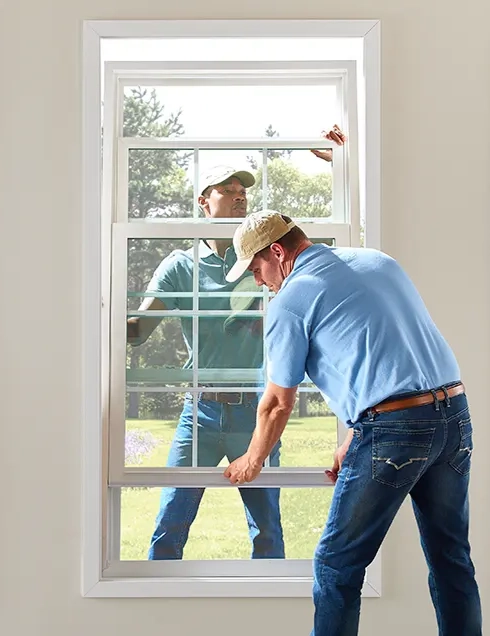
Finally, ask hard questions about who actually performs the install. National brand dealers frequently subcontract installation, which means quality varies job to job. Companies that install with W-2 employee crews maintain more consistent quality because the same teams work together repeatedly under direct supervision, which is especially valuable on Fort Worth’s older homes where small mistakes have large consequences.