
Picture a July afternoon in Dallas. The thermometer reads triple digits, the air conditioner hums without a break, and the sun bears down on every pane of glass in the house. The right windows can make that scene a whole lot easier on your body and your wallet. The wrong ones can send your power bill sky-high. So it makes perfect sense that homeowners all over North Texas keep asking the same smart question: in the fiberglass vs vinyl windows matchup, which one truly fits a place like Dallas?
At Statewide Energy Solutions, we hear this question almost every day from clients sitting right at their kitchen tables. So let’s walk through it together, plain and simple, the same way we would if we were standing in your living room with a tape measure in hand.
Why the Dallas Heat Makes the Fiberglass vs Vinyl Windows Question So Important
North Texas weather throws a lot at a home. Summer days climb past 100 degrees for weeks on end. The sun sits high and strong, baking the south- and west-facing sides of your house. Then winter rolls in with the occasional ice storm and a sharp cold snap that catches everybody off guard. That kind of swing, from blistering heat to freezing nights, puts real stress on building materials.
Here’s the thing most folks never think about: windows expand and shrink a little as the temperature rises and falls. Over years of Dallas summers, that constant push and pull can wear down weaker frames, loosen seals, and let your cooled air leak right outside. So when you weigh fiberglass vs vinyl windows, you’re really asking how well each material can take the punishment our climate dishes out. That single point shapes your comfort, your energy use, and how long your new windows will last before they need attention again.
Breaking Down Fiberglass Windows vs Vinyl Windows: What Sets Them Apart
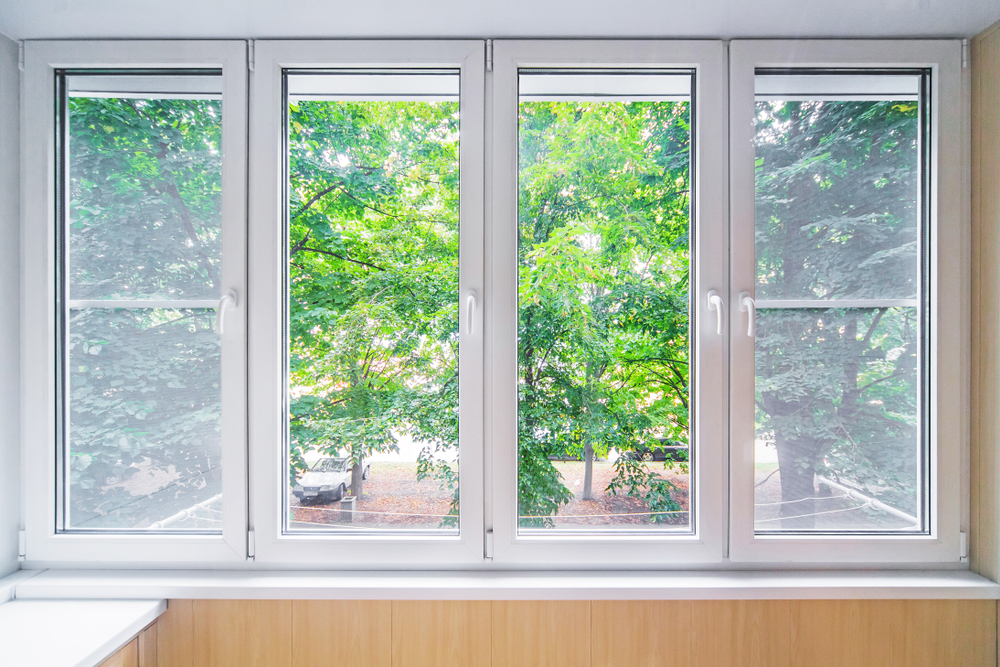
Both materials show up in millions of American homes, and both can do a fine job. Still, they’re built from very different stuff, and that difference matters once the Texas sun gets involved. Let’s lay out the basics so the fiberglass windows vs vinyl windows comparison feels clear instead of confusing.
- Vinyl windows are made from PVC, the same tough plastic used in pipes and siding. Manufacturers shape the frames, add hollow chambers for insulation, and finish them in a handful of colors. Vinyl has earned a loyal following since it costs less up front and asks almost nothing of you in the way of upkeep. A quick wipe-down now and then keeps these frames looking sharp for years.
- Fiberglass windows are made from the same glass-fiber material found in boats and high-end car parts. The frames get pulled into shape through a heat process that makes them remarkably stiff and steady. Fiberglass costs more at the start, yet it shrugs off heat, cold, and moisture in a way thin plastic simply can’t match. Many homeowners see it as a buy-it-once kind of choice.
Once you understand what each frame is made of, the rest of the vinyl vs fiberglass windows story starts to click into place. The material drives how the window behaves in our climate, so let’s look at each one up close.
How Vinyl Holds Up in North Texas: The Vinyl vs Fiberglass Windows View
Vinyl gets picked by a ton of Dallas families, and for good reason. The price tag feels friendly, the insulation works well, and a fresh set of vinyl windows can trim a noticeable chunk off a summer cooling bill. For a budget-minded household that plans to stay put for a while, vinyl often hits the sweet spot.
That said, there’s a catch worth knowing before you sign anything. PVC softens as it heats up. On the brutal south and west walls of a Dallas home, dark-colored vinyl frames can warp or sag a touch over the long haul, and that movement sometimes strains the seals around the glass. It doesn’t happen overnight, and quality vinyl from a trusted installer holds up far better than the bargain-bin stuff. Color choice matters too, since lighter frames soak up less heat. So vinyl can absolutely thrive here, as long as you go with a solid product and a crew that knows how our weather works.
When clients ask us about the vinyl vs fiberglass windows trade-off, we’re honest: vinyl is a smart, affordable pick that serves most homes beautifully. You just want to match the right grade of vinyl to the right side of the house.
Why Fiberglass Stands Strong: Another Look at Fiberglass Windows vs Vinyl
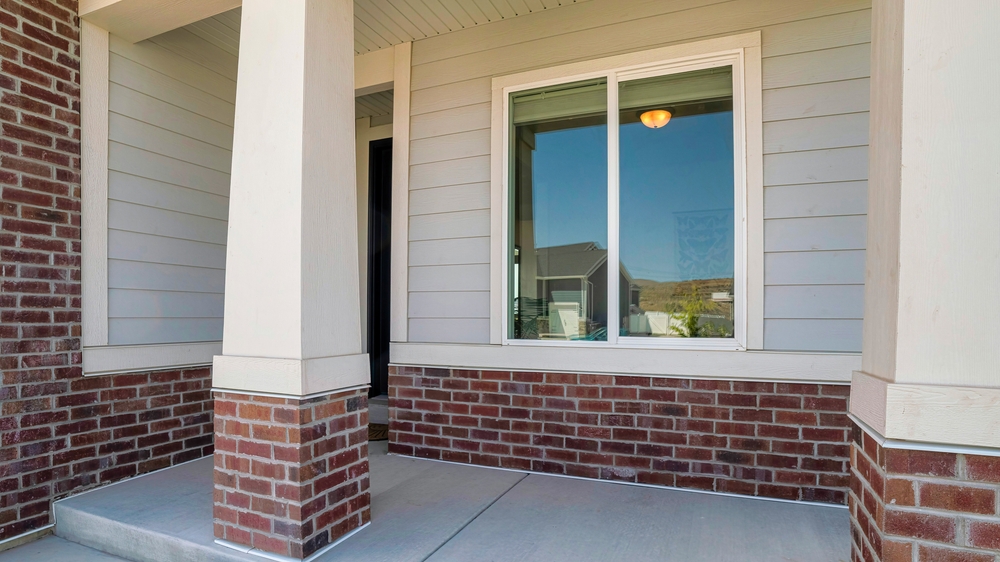
Now let’s turn to the other contender. Fiberglass barely flinches when the mercury soars. Its rate of expansion sits remarkably close to that of the glass it surrounds, so the frame and the pane move as a team rather than fighting each other. That tight teamwork keeps seals snug season after season, which means fewer drafts and steadier energy savings as the years roll by.
Strength is the headline here. Fiberglass frames resist warping, cracking, fading, and moisture damage. They can carry larger panes of glass on slimmer frames, so you get more view and more natural light. Paint sticks to them well, too, so a color refresh down the road stays simple. For a homeowner who wants to install once and forget about it, the fiberglass windows vs vinyl decision often tilts toward fiberglass for sheer staying power.
The honest downside is cost. Fiberglass runs higher than vinyl at the time of purchase, and the installation calls for a skilled hand. Yet many Dallas homeowners find that the longer lifespan and rock-steady performance pay them back over time. Think of it as spending a bit more today to dodge headaches tomorrow.
Cost, Comfort, and Value in the Fiberglass vs Vinyl Windows Debate
Let’s talk money, since that’s usually where the rubber meets the road. Vinyl wins the opening round on price. If your main goal is a strong upgrade at a gentle cost, vinyl delivers real comfort and lower bills without straining your savings. Plenty of happy clients have gone this route and never looked back.
Fiberglass asks for a larger check up front, but it answers back with decades of low-fuss service. It tends to hold its good looks and tight seals long after cheaper frames would start showing their age. So the fiberglass vs vinyl windows value question really comes down to your timeline and your priorities:
- Choose vinyl when you want the best mix of price and performance, plan a budget-friendly project, or simply love the idea of windows that ask almost nothing of you. Vinyl shines for homeowners who want quick, comfortable results and a payback they can feel on the very next energy statement.
- Choose fiberglass when long-term toughness sits at the top of your list, you want to handle big openings or wide views, or you’d rather invest once and be done. Fiberglass rewards patience and planning, paying you back through stability, curb appeal, and a frame that laughs off the Texas sun.
Either way, the smart move is sizing up the whole picture, your home’s exposure, how long you’ll stay, and what matters most to you, rather than chasing the lowest sticker price alone. A good energy-efficient window pays for itself through comfort and savings, no matter which material you land on. The U.S. Department of Energy notes that efficient windows can help reduce heating and cooling costs by improving insulation, limiting unwanted heat transfer, and helping your home maintain a steadier indoor temperature throughout the year.
Picking a Winner in Fiberglass vs Vinyl Windows for Your Dallas Home
So who takes the trophy? Truthfully, there’s no single right answer for every house, and any installer who tells you otherwise is rushing the job. The best choice depends on your home, your goals, and your budget. A shaded north-facing ranch home has different needs than a two-story house with big west-facing windows soaking up the afternoon glare.
Our team has fitted both materials in homes across the Metroplex, and we’ve seen each one perform wonderfully when it’s matched to the right situation. That’s the real secret behind a window project that lasts: pairing the right product with the right home and installing it with care. A perfect window installed poorly will still leak air, so workmanship counts just as much as the frame you pick.
If you’d like to see the full range of styles, materials, and energy ratings we carry, take a look at our window options and our window replacement services. You can also read what your neighbors think by checking our customer reviews, then confirm that we cover your part of town on our areas we serve page.
Contact Statewide Energy Solutions for Window Options in Dallas, TX
At the end of the day, the fiberglass vs vinyl windows decision should leave you feeling confident, not confused. Both materials can keep your Dallas home cooler, quieter, and more comfortable when they’re chosen wisely and installed by people who care about the work. That’s exactly where Statewide Energy Solutions comes in. Our team treats your home like our own, lays out honest options, and never pushes you toward a product that doesn’t fit your needs.
Ready to find the perfect windows for your home and our wild Texas weather? Give us a call at (800) 339-4326 or reach out through our contact page to set up your free consultation today. Let’s get the right windows in your home and the savings on your next energy bill
FAQs About Fiberglass vs Vinyl Windows
Do fiberglass windows really last longer than vinyl in the Dallas heat?
In most cases, yes. Fiberglass barely expands or contracts as temperatures swing, so its seals and frames tend to stay tight for decades. Quality vinyl performs well too, yet fiberglass generally holds its shape and finish longer under intense sun.
Are vinyl windows energy efficient enough for North Texas summers?
Absolutely. Modern vinyl frames come with insulated chambers and energy-saving glass that block a great deal of heat. Pair them with low-E coatings and proper installation, and they can cut your cooling costs in a big way.
Is the higher price of fiberglass worth it?
For many homeowners, it is. The extra cost buys you stronger frames, slimmer profiles, bigger glass, and a longer service life. If you plan to stay in your home for years, that durability often earns its keep.
Can the same window style come in both materials?
Most popular styles, such as single-hung, double-hung, casement, and sliders, are offered in both vinyl and fiberglass. So you rarely have to give up the look you love when you settle the fiberglass windows vs vinyl windows question.
How do I know which one fits my house?
The simplest path is a free in-home consultation. Our crew measures your openings, checks your home’s sun exposure, listens to your goals, and then recommends the best fit. No pressure, no guesswork.