
Older homes often have charm, solid materials, and details that newer houses may not have. At the same time, old windows can become one of the most noticeable weak spots in the home. Drafts, worn tracks, loose locks, fogged glass, and frames that no longer sit square can make daily use frustrating.
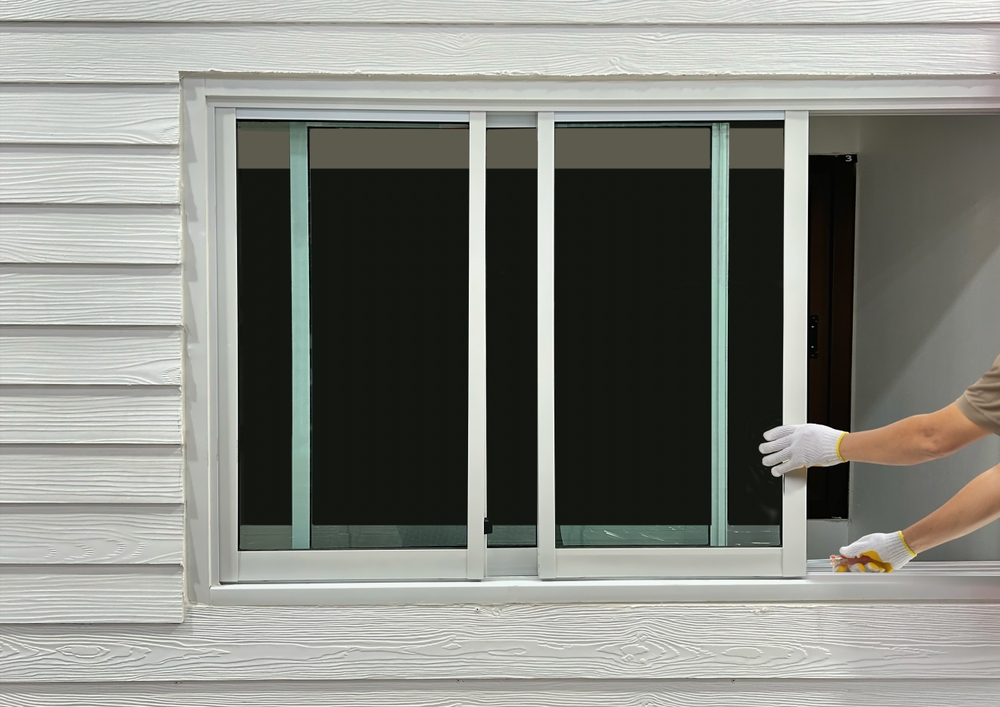
For many homeowners, replacement sliding windows offer a practical update. Sliding windows open from side to side, so each sash stays inside the frame instead of swinging into a room or outdoor area. Plus, the wide glass area can bring in plenty of natural light and create a clean look.
Still, replacing windows in an older home takes more than ordering a new unit in roughly the same size. The opening, frame, wall condition, glass package, and installation method all affect the final result. Statewide Energy Solutions helps homeowners compare window replacement choices and plan a project that fits the house instead of forcing the house to fit the window.
Key Takeaways
- Check the full opening before ordering. An older opening may have shifted after years of settling. For that reason, width, height, sill level, frame condition, and squareness all need attention before the new unit gets ordered.
- Choose the replacement method based on frame condition. An insert can work well when the existing frame remains solid. By comparison, a full-frame replacement may make more sense if rot, water damage, or poor past installation sits behind the trim.
- Match the glass and frame to the home. Double-pane glass, low-e coatings, frame material, screen style, and locking hardware can affect comfort and daily use. The right mix depends on the room, sun exposure, budget, and condition of the home.
- Treat installation as part of the product. A good window can still leak air or water if the opening isn’t prepared and sealed correctly. In turn, professional installation helps the window open smoothly, lock properly, and sit correctly in the wall.
When Is It Time to Replace an Older Window?
Age alone doesn’t decide whether a window needs replacement. Instead, look at how the window works and how the area around it performs during hot, cold, windy, or rainy weather.
A sash that sticks or drags may have worn rollers, a damaged track, frame movement, or years of buildup. Next, check for air movement around the sash and frame. Old weatherstripping can shrink or crack, leaving gaps that let outdoor air enter the room.
Fog or moisture between panes can point to a failed insulated-glass seal. In many cases, normal cleaning won’t clear that cloudy look. Soft wood, rot, corrosion, peeling material, or water stains around the frame deserve attention too. These signs can mean the problem reaches past the window itself.
For another reference point, ENERGY STAR notes that old, drafty, damaged, or poorly operating windows can be candidates for replacement.
What Should Be Checked Before Ordering?
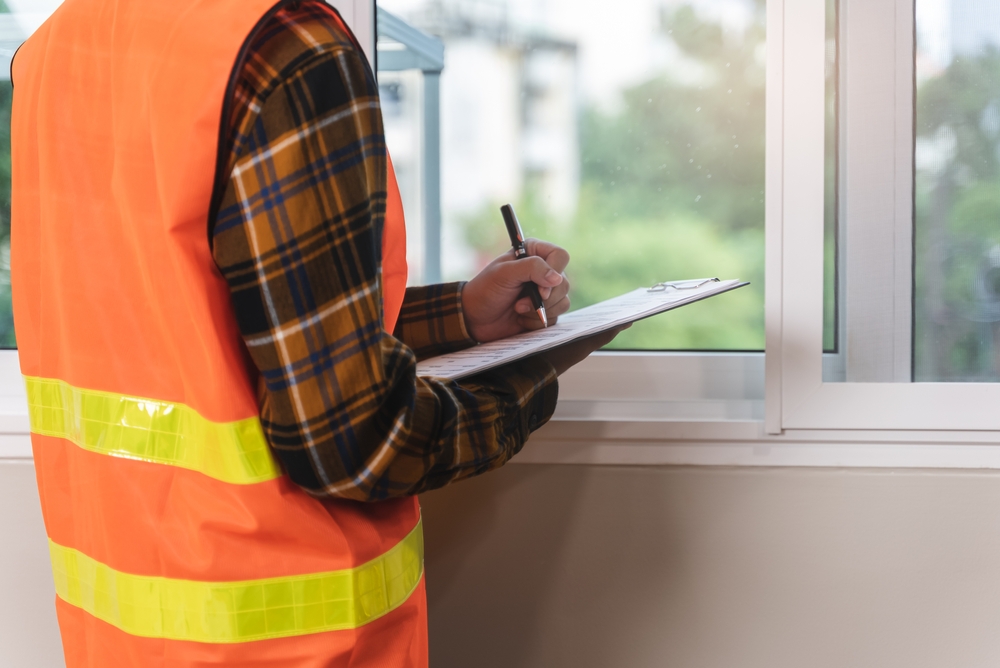
Before ordering replacement sliding windows, the opening needs a close check. Measuring only the visible glass can lead to the wrong size. Instead, installers measure the opening at several points and check whether the sill sits level and the frame remains square.
Next, the existing frame needs a condition check. Solid framing may support an insert-style project. Damaged or rotted framing may need removal so hidden problems can be repaired before the new unit goes in.
The wall finish matters too. Brick, siding, stucco, exterior trim, flashing, and older caulk joints can change how the new window meets the wall. At the same time, previous remodeling can hide changes that aren’t obvious from inside the room.
Homeowners can review Statewide Energy Solutions’ window options before the site visit, then use the in-home review to narrow the choices based on actual measurements and conditions.
Insert Replacement or Full-Frame Replacement?
An insert replacement keeps much of the existing frame in place. This route can reduce trim work and may make sense when the old frame remains solid and free from serious water damage. The new unit fits inside the existing frame, so a small amount of visible glass area may be lost.
A full-frame replacement removes the old unit down to the rough opening. From there, the installer can see areas that old trim may have covered. This method can make room for repairs to damaged wood, old insulation, flashing, or past installation mistakes.
For that reason, the choice shouldn’t come down to price alone. The condition of the opening should guide the method. Statewide Energy Solutions reviews the frame and surrounding area before recommending the project path.
Which Glass and Frame Options Make Sense?
Modern replacement sliding windows come with several glass and frame choices. More features don’t always mean a better fit, so the goal is to choose what suits the home.
Double-pane insulated glass is common in replacement work. Low-emissivity, or low-e, coatings can help control heat transfer and reduce some ultraviolet exposure through the glass. Gas fills between panes may improve thermal performance on certain products.
Next, think about frame material, color, screen design, and hardware. A low-maintenance frame may work well for a homeowner who wants less upkeep. At the same time, color and exterior trim should work with the older home’s existing appearance.
For a closer look at this style, see Statewide Energy Solutions’ sliding window options. A bedroom, kitchen, living room, and utility space may need different sizes or operating features, so room-by-room planning can make the final project more practical.
Why Does Installation Matter So Much?
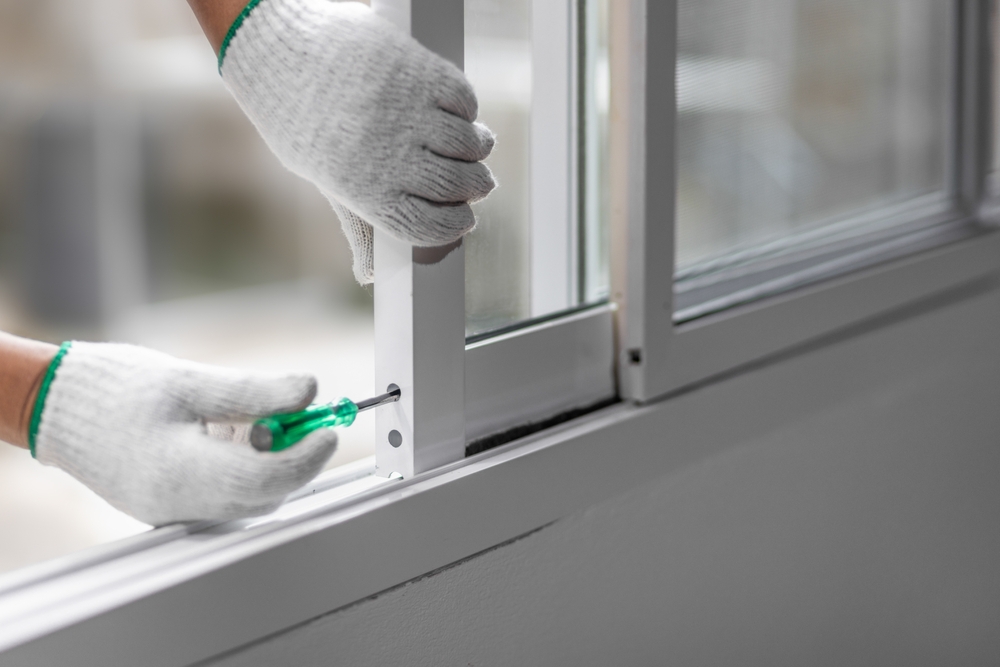
A quality window still needs a quality installation. If the opening has gaps, poor flashing, or weak sealing, the new unit may let air or water pass around the frame.
The installer needs to prepare the opening, set the unit square and level, fasten it without pulling the frame out of shape, and seal the surrounding gaps with suitable materials. After that, exterior joints need weather protection that works with the wall system.
Homeowners searching for how to install replacement sliding windows often find short DIY guides. Older homes can be less predictable. Settled framing, hidden water damage, layered trim, and old paint can change the job once removal starts.
For that reason, Statewide Energy Solutions treats installation as part of the project rather than a separate afterthought. The final check should confirm that the sash slides smoothly, meets the frame evenly, and locks without extra force.
Can You Replace a Sliding Window Yourself?
Searches for how to replace sliding window units or how to replace sliding windows often start with one question: is this a realistic DIY project?
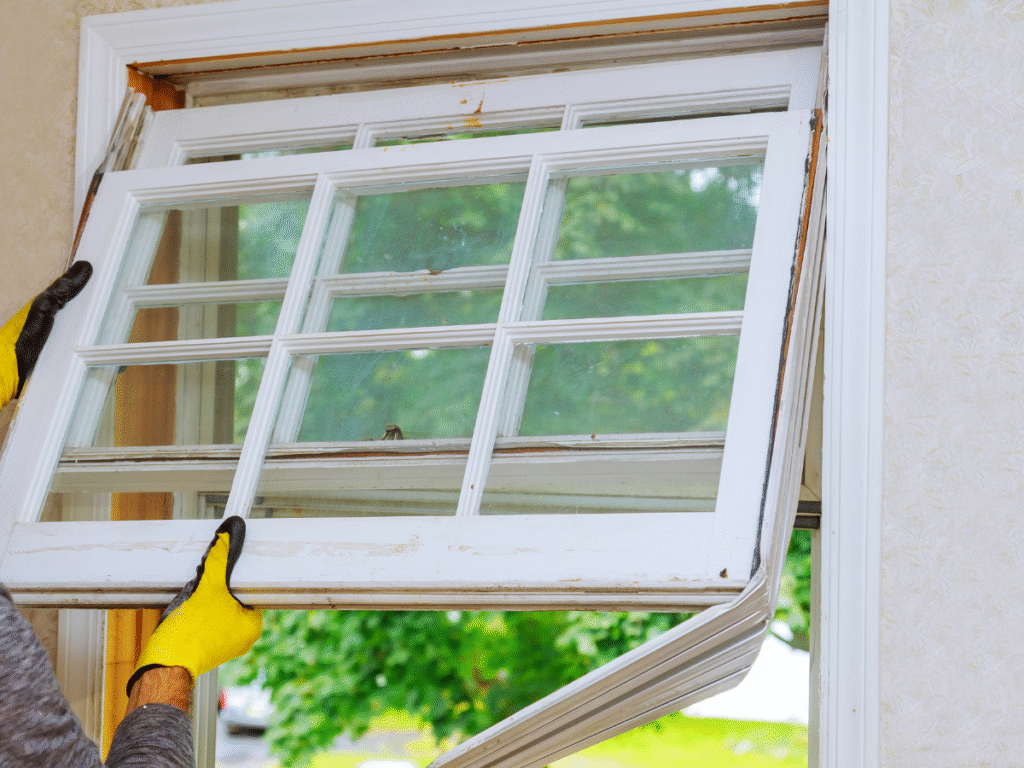
Some openings may look simple at first. Still, safe removal, exact sizing, flashing, insulation, fastening, and water sealing all affect the result. Large glass units can be heavy, and hidden sill damage may appear only after trim or the old frame comes out.
Older homes need one more safety check. For pre-1978 housing, the U.S. Environmental Protection Agency explains that paid renovation work that disturbs painted surfaces can fall under lead-safe work rules, and window replacement is a covered activity. Homeowners can review the EPA Renovation, Repair and Painting Program guidance before work begins.
That said, professional installation can reduce guesswork and give homeowners one team to handle measurement, ordering, removal, installation, and final operation checks.
What Upgrade Details Should Homeowners Discuss?
Before ordering, it helps to talk through how each room gets used. Small choices can change ventilation, cleaning, appearance, and day-to-day operation.
Glass package and energy performance.
Ask how the glass is rated for the local climate and how the unit handles heat transfer and sunlight. As a result, the selected package can better match the room instead of relying on the same setup for every opening.
Screen design and ventilation.
Sliding windows can provide easy airflow, but screen style matters for cleaning and replacement. Next, check how much of the opening can provide ventilation and how easily the screen comes out.
Locking and sash movement.
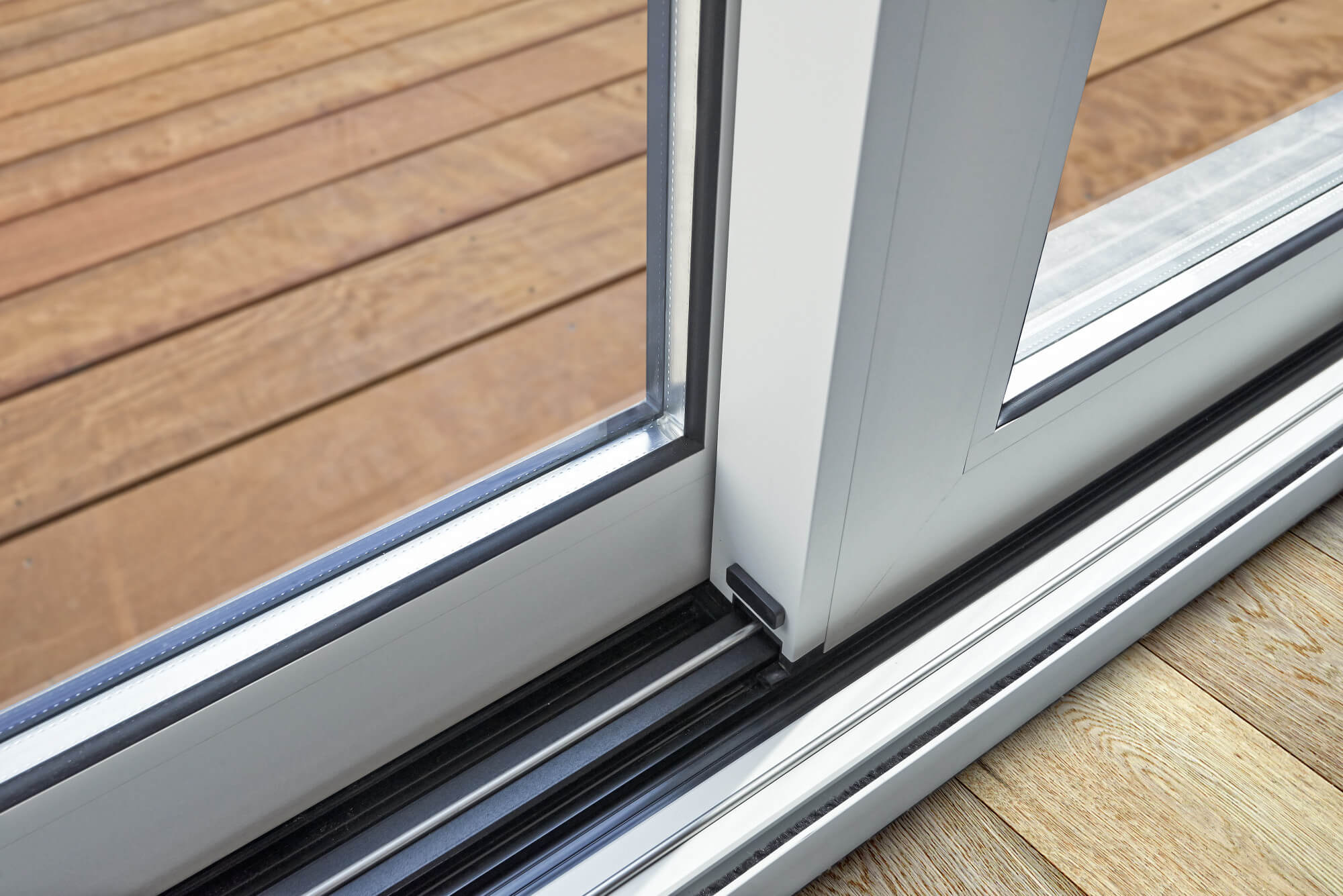
Test how the sash travels and where the lock sits. A properly fitted unit should move smoothly and close without being forced.
Frame color and trim appearance.
Older homes often have visible trim details. For that reason, frame color and finish should work with the current exterior rather than looking like an unrelated add-on.
Warranty and installation coverage.
Ask what the manufacturer covers and what workmanship coverage applies. Clear written terms make it easier to know who to call if a product or installation issue appears later.
Homeowners can read Statewide Energy Solutions’ customer reviews and check the areas we serve before setting an appointment.
What Should a Window Proposal Include?
A clear proposal should list more than the number of windows and the final price. Look for the product line, window style, glass package, frame color, installation method, trim work, cleanup plan, warranty information, and project payment terms.
Ask whether the existing frame will stay or come out. Ask how hidden rot or water damage will be handled if the crew finds it after removal. Ask whether interior and exterior finish work is part of the quoted scope. Then, ask how old windows and job-site debris will be removed.
Clear answers make it easier to compare project details without guessing what the price covers.
Replace Your Window With Statewide Energy Solutions
Older homes deserve a window plan based on the actual condition of each opening. Frame condition, wall material, glass choice, measurements, and installation method all shape the result. With the right plan, replacement sliding windows can provide smoother operation, cleaner sightlines, better weather sealing, and easier daily use.
Statewide Energy Solutions can help homeowners inspect current windows, compare products, and plan an installation that fits the home. Start with our window replacement services or review our available window options.
Ready to discuss replacement sliding windows for your home? Call Statewide Energy Solutions at (800) 339-4326 or use our Contact Page to request an appointment.
Frequently Asked Questions
How Long Do Replacement Sliding Windows Take to Install?
Project time depends on the number of windows, access, frame condition, wall material, and replacement method. A clean opening may move faster, but rot, trim repairs, or hidden damage can add work. Statewide Energy Solutions can give a more useful schedule after measuring the home and reviewing each opening.
Do Replacement Sliding Windows Work Well in Older Homes?
Yes. Replacement sliding windows can work well in many older homes when the opening supports the selected installation method. Homes with frame damage, water problems, or unusual trim may need prep work before the new unit goes in.
Can Replacement Sliding Windows Improve Home Comfort?
New windows can reduce drafts and improve glass performance when the product and installation match the home. The final comfort level depends on the old window condition, wall sealing, glass choice, frame type, and installation quality.
How Should Replacement Sliding Windows Be Measured?
Measurements should cover width and height at several points. The installer should check the sill, frame condition, and squareness too. Small sizing errors can turn into larger fitting problems once the ordered unit arrives.