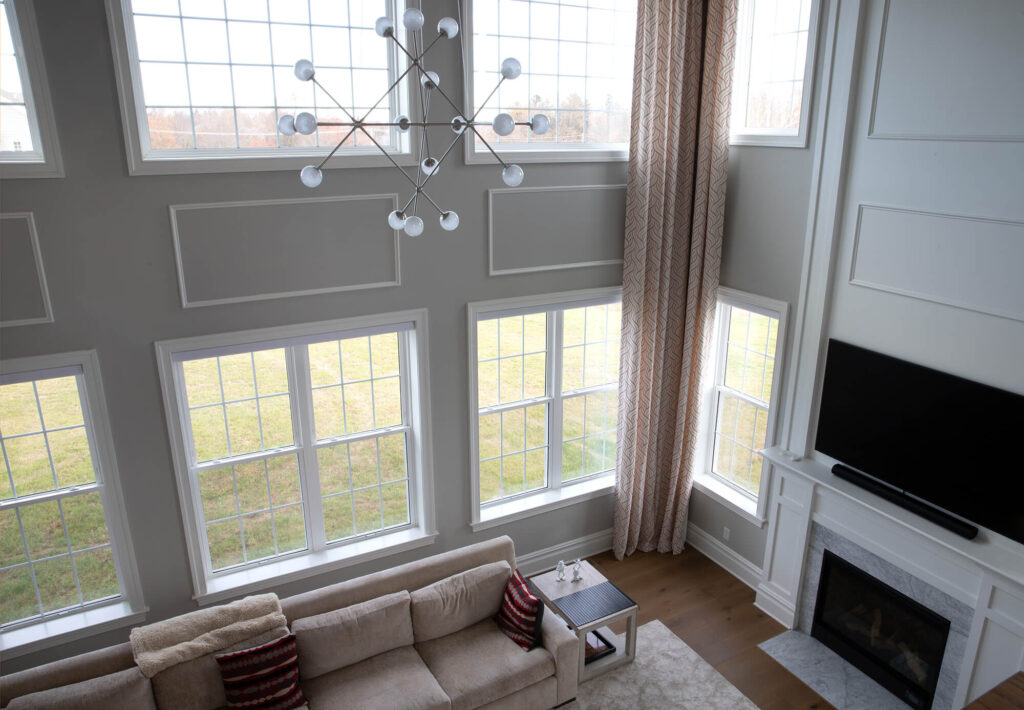
Before you start collecting quotes for window replacement in Keller, there are a handful of local realities that will save you money and headaches if you understand them up front. The first is that Keller homes are not mid-cities homes. The openings are larger, the architecture is more varied, and the cost per project will reflect that. Be skeptical of any quote that comes in suspiciously low for a home in Marshall Ridge or The Bluffs, because the only way to hit a low number on a large home is to substitute smaller glass, cheaper frames, or non-standard install methods.
The second reality is HOA review. Most Keller master-planned communities, including Hidden Lakes, Estates of Oakmont, and Saddlebrook Estates, have architectural control committees that approve exterior changes. Frame color, grid pattern, and even glass tint can be regulated. We have submitted dozens of HOA packets across Keller and can help prepare yours, but you should plan for an extra week or two of approval time on top of the manufacturing lead time.
Third, pay attention to the difference between pocket replacement and full-frame replacement. Pocket replacement reuses the existing frame and is faster and cheaper, but it only works when the original frame is sound. Many 1990s Keller homes have wood-clad frames where the exterior wood has rotted from sun and sprinkler overspray, and in those cases full-frame replacement is the right answer even though it costs more. A good installer will inspect the frames during the in-home consultation and tell you honestly which approach fits.
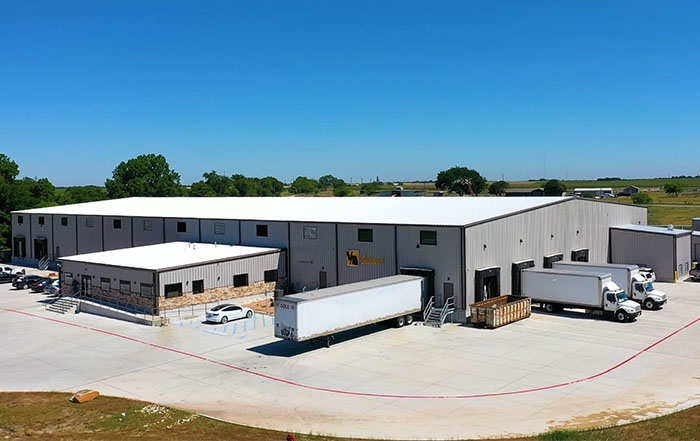
Fourth, ask whether the company manufactures the windows or resells them. In Keller specifically, the time difference matters. A national-brand reseller will quote you a three to four month lead time. Because we build in DFW, our lead time is typically four to seven weeks. That difference can mean finishing before the Texas summer heat instead of installing during the worst of it.
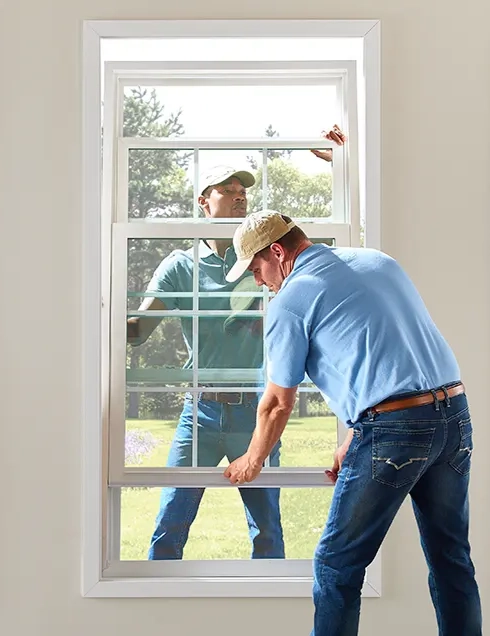
Fifth, ask who actually installs the windows. The window itself matters, but the install determines whether you have leaks and air infiltration five years later. Our crews are W-2 employees, not day-labor subcontractors, and they have been with the company long enough to know exactly how to handle the brick, stone, and stucco exteriors common in Keller.
Finally, plan for the federal tax credit. The Energy Efficient Home Improvement Credit returns 30 percent of qualifying window cost up to $600 per year. For larger Keller homes, phasing the project across two tax years can double that benefit. Talk through the timing with your CPA before you sign the contract.