
When homeowners start comparing the different types of windows, the first thing to know is simple: one window style does not fit every room. A kitchen, bedroom, bathroom, and living room all have different needs. Some rooms need more airflow. Some need more light. Some need a wider view. Some need easier cleaning. So, the right choice comes down to how the window will be used every day.
Statewide Energy Solutions helps homeowners sort through the many types of windows without all the jargon. The goal is to make the choice clear, practical, and worth the investment. A window should look good, open the way it should, help with comfort, and hold up for years.
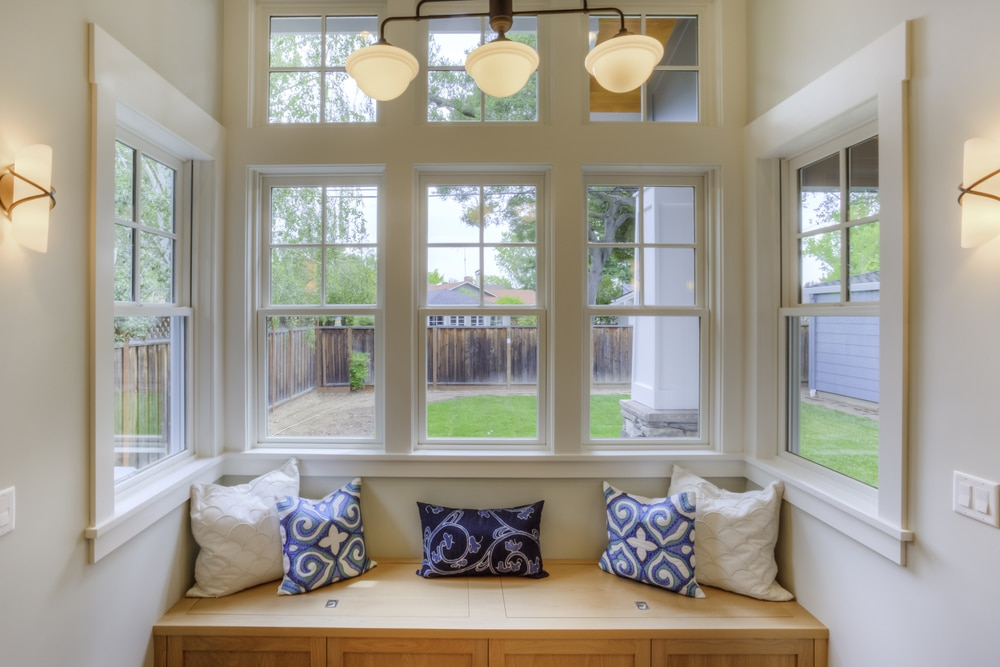
Different Types of Windows for House Layouts and Daily Use
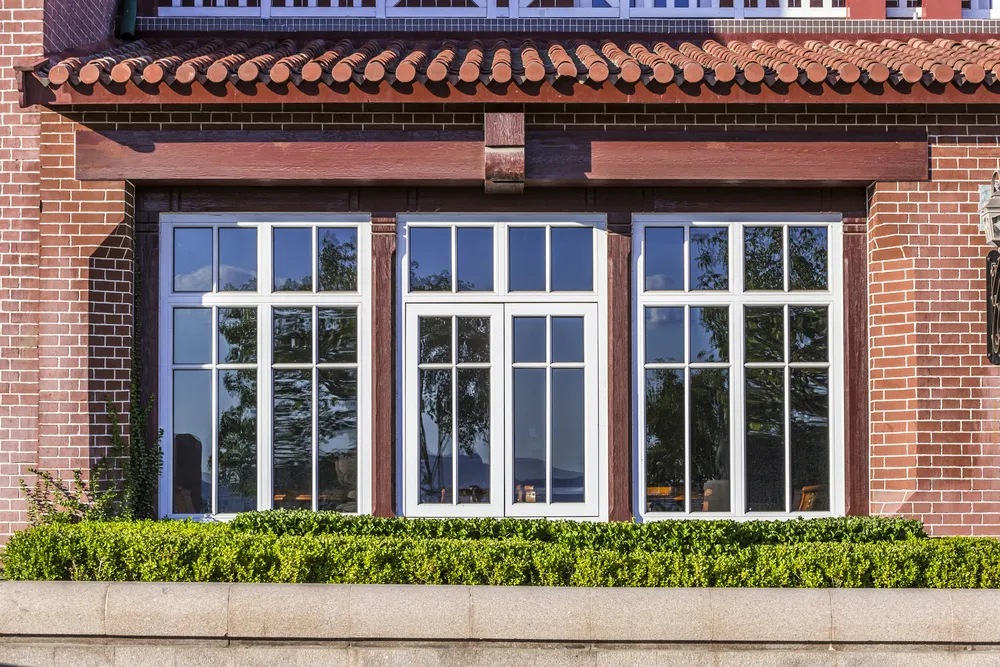
A good way to think about types of windows for house projects is to match the style to the room.
Double-Hung Windows
Double-hung windows are one of the most common choices in American homes. Both sashes can move, which gives better airflow control. You can open the top, the bottom, or both. That makes this style a smart fit for bedrooms, hallways, guest rooms, and front-facing rooms where a classic look matters.
This style works well for homeowners who want easy upkeep and a familiar design. Many newer models tilt in for cleaning, which makes life a lot easier.
Single-Hung Windows
Single-hung windows look much like double-hung windows, though only the bottom sash moves. That simple design can make them a budget-friendly option. They’re often used in rooms where a homeowner wants a clean look and solid function without extra moving parts.
Casement Windows
Casement windows swing outward like a door and usually open with a crank. These are a favorite for airflow because they can catch a breeze and pull it into the room. They work very well in kitchens, bathrooms, and sitting areas where ventilation matters.
Many homeowners like casement windows over sinks or counters since the crank makes opening them easier. At the same time, this style often seals tightly when closed, which helps with energy use.
Sliding Windows
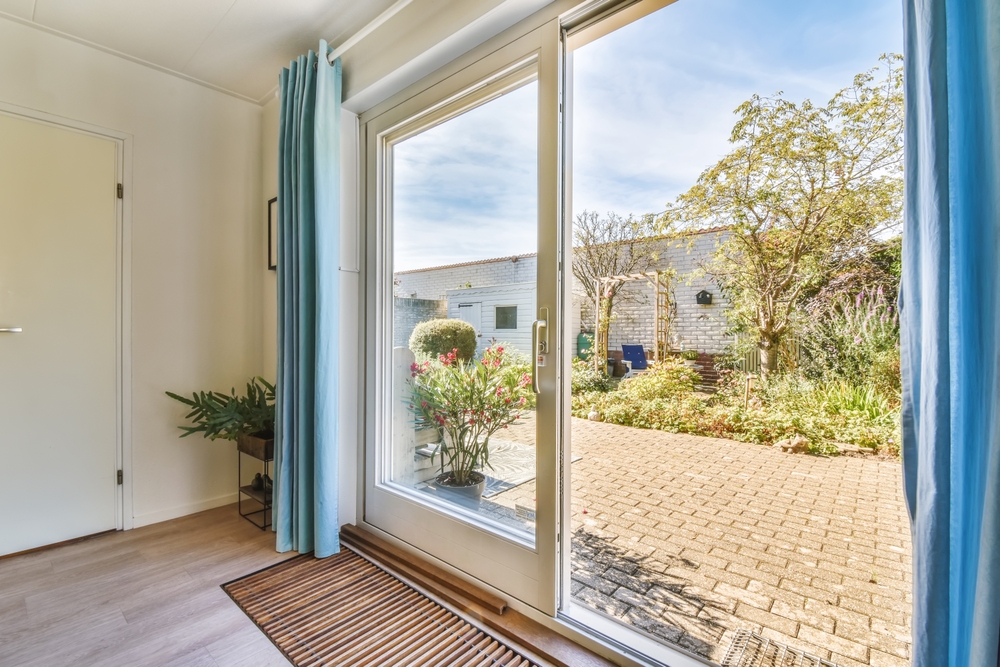
Sliding windows move side to side. They are simple, clean, and easy to use. This style fits rooms with a wider wall space and works nicely in modern homes, basements, and bedrooms.
Since sliders do not open outward, they can be useful in places near walkways, patios, or porches. That practical layout makes them one of the more convenient different types of windows for busy homes.
Bay and Bow Windows
Bay and bow windows project outward from the home, which creates extra space and a wider view. A bay window usually has three sections. A bow window usually has more, which creates a softer curve.
These styles work well in living rooms, dining rooms, and front-facing rooms where a homeowner wants a bigger visual impact. They can add charm inside and out. In many homes, they even create a cozy reading nook or display area.
Awning Windows
Awning windows hinge at the top and open outward. Since the glass angles out, these windows can often stay open during light rain. That makes them a smart fit for bathrooms, basements, and rooms that need fresh air without letting weather in.
Garden Windows
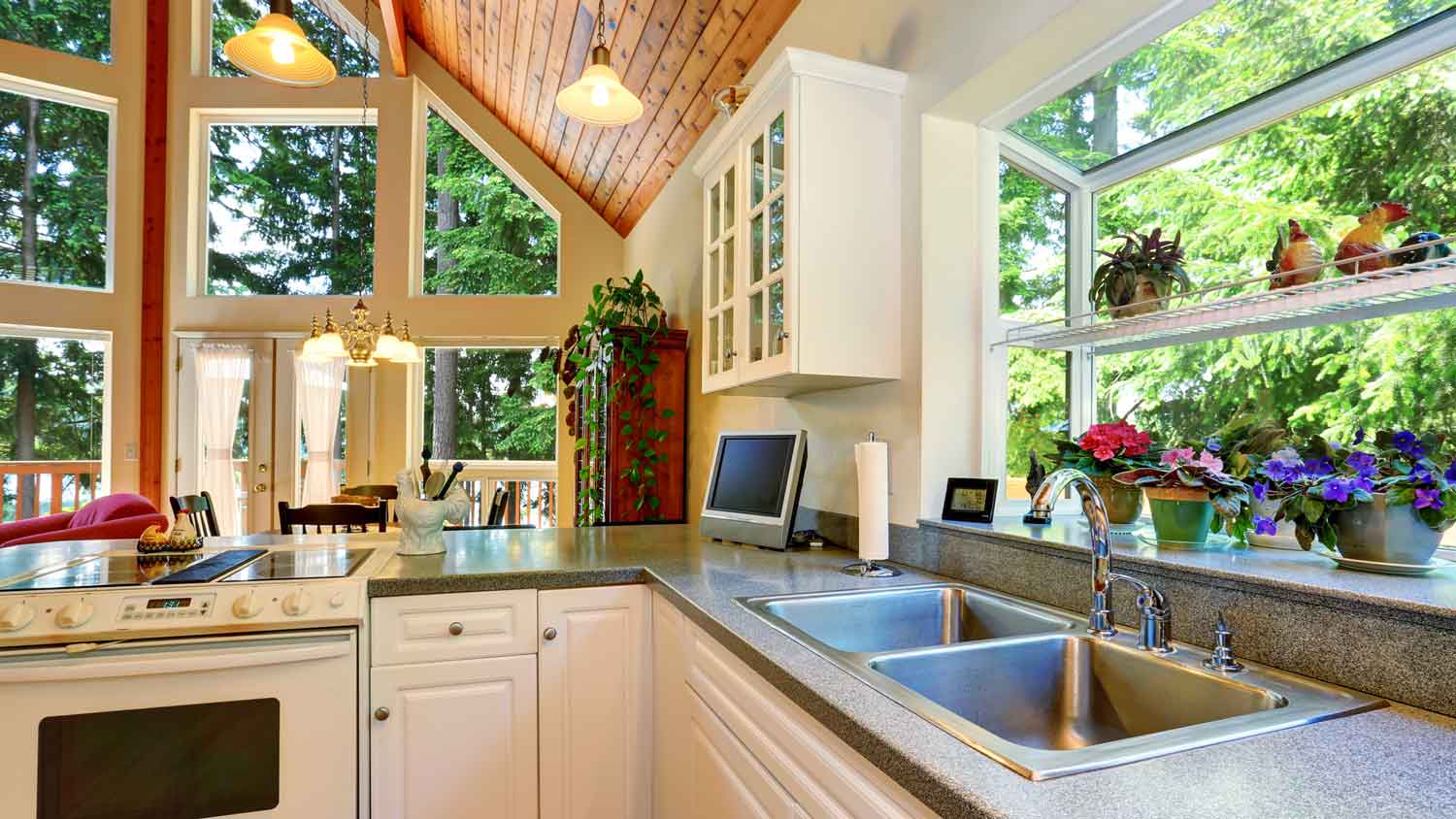
Garden windows extend outward and usually include glass on several sides. They are often installed above kitchen sinks. Homeowners love them for herbs, small plants, and extra sunlight. If the goal is to add character to a kitchen, this style can do the trick.
Different Types of Windows and the Features That Matter Most
A pretty window is nice. A useful window is better. Here are the features that deserve attention when comparing the different types of windows.
Airflow and operation matter more than many homeowners expect.
A window that looks great but feels awkward to open can become a daily headache. Casement windows can offer wide ventilation, and double-hung windows give flexible airflow control. So, the way the window opens should match the room and how the space is used.
Cleaning should be part of the decision from day one.
Some windows are easier to clean from inside the home, which is a big plus on upper floors. Double-hung tilt-in models can save time and hassle. Picture windows have fewer moving parts, though outside cleaning may still need planning.
Glass and frame choices affect comfort.
This is where many homeowners start looking for the best energy efficient windows. Low-E glass, insulated frames, and quality weather seals can help keep indoor temperatures steadier. That means less strain on heating and cooling equipment and a more comfortable home all year long.
Placement changes everything.
A wide picture window in a dark living room may make perfect sense. That same window in a bathroom would not. At the same time, a casement or awning window may be the better fit where privacy, airflow, or easy use matters most.
When replacing window, it helps to look for the ENERGY STAR label and check the NFRC energy performance label so products can be compared more clearly.
Different Types of Windows and the Best Energy Efficient Windows
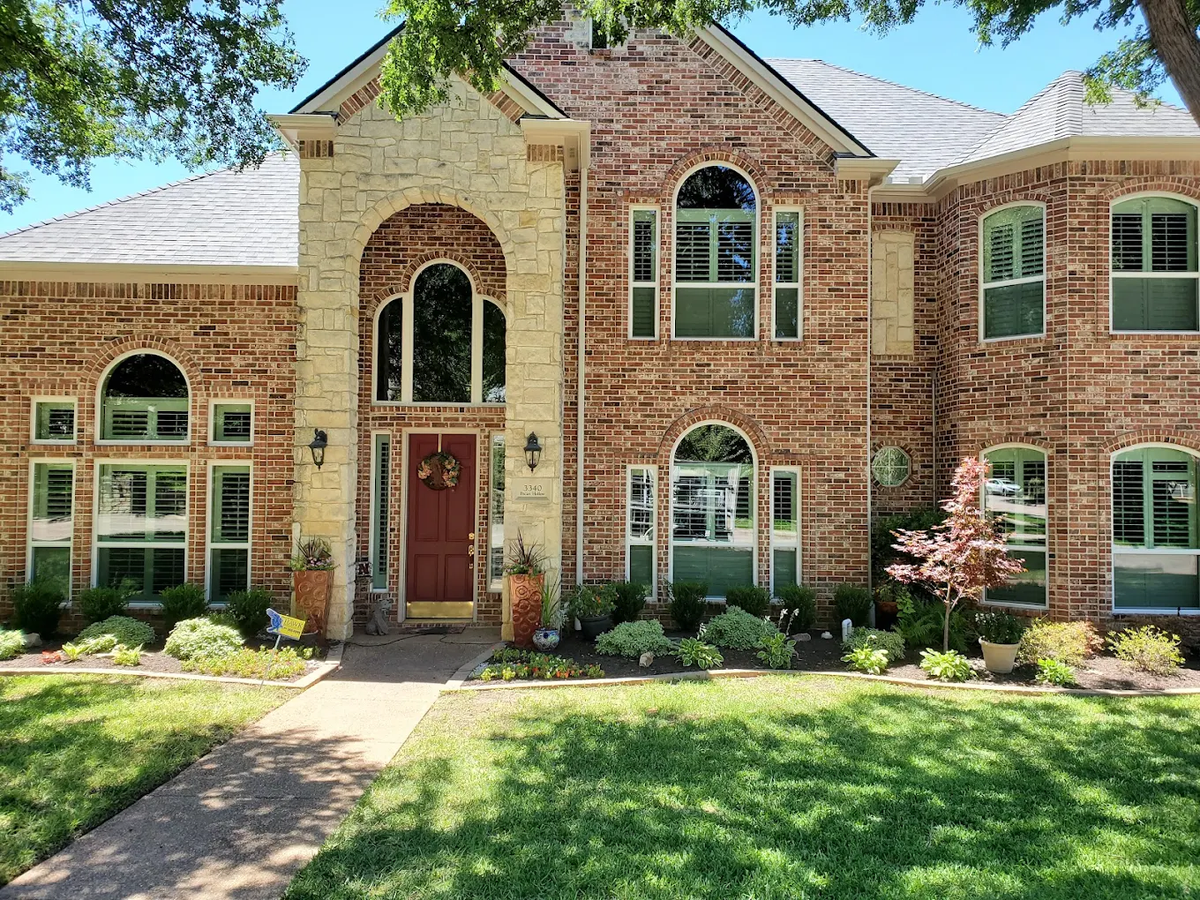
Homeowners often ask which style ranks among the best energy efficient windows. The honest answer is that energy savings depend on more than style alone. Glass package, frame material, installation quality, climate, and sealing all play a big role.
Still, some styles tend to perform very well. Casement and picture windows often seal tightly. That can help reduce drafts. Double-hung and sliding windows can still perform well, though product quality matters a lot. A poorly installed premium window can disappoint. A properly installed, well-built window can make a real difference.
That’s why Statewide Energy Solutions focuses on the full package, not just the frame. Homeowners can review window options with features that make sense for the home, the budget, and the long-term plan.
Different Types of Windows and When Replacement Makes Sense
Some homeowners keep old windows far longer than they should. If the windows are drafty, hard to open, hard to lock, fogged between panes, or showing frame damage, replacement may be the smart move. New windows can help with comfort, appearance, noise control, and day-to-day use.
A replacement project is a good time to rethink style, too. A home does not have to keep the exact same layout. In some rooms, switching from a single-hung window to a casement or picture window can make the space work better. Homeowners who want to learn more can look at window replacement options and compare what fits their goals.
Contact Statewide Energy Solutions for Highest-Quality Windows Options in Dallas, TX
Sorting through the different types of windows does not have to feel like a guessing game. The right window should match the room, the look of the home, and the way the space is used every day. Some homes need better ventilation. Some need a wider view. Some need a stronger focus on energy savings. Most need a little of everything.
Statewide Energy Solutions helps homeowners compare different types of windows, narrow down the best fit, and move forward with confidence. To talk through styles, features, and installation options, call (800) 339-4326 or visit the Contact Page. A better window choice can start with one clear conversation.
Different Types of Windows FAQs
What are the most common types of windows?
The most common styles include double-hung, single-hung, casement, sliding, picture, bay, bow, and awning windows. Each one has its own strengths, so the best pick depends on the room and the result a homeowner wants.
Which types of windows for house projects are best for airflow?
Casement windows are often one of the best choices for airflow. Double-hung windows are another strong option since they let warm air move out through the top and cooler air come in through the bottom.
What are the best energy efficient windows?
That depends on the product, not just the style. Many homeowners do well with casement, picture, or high-quality double-hung windows that include energy-saving glass and solid installation.
Which window style is best for kitchens?
Casement, sliding, and garden windows are popular kitchen choices. The right one depends on counter space, layout, ventilation needs, and the look the homeowner wants.
Where can homeowners check reviews for Statewide Energy Solutions?
Homeowners can read reviews to see what past customers say about the process, service, and finished results.