Locally Manufactured in Texas

Window Company in Fort Worth, TX

Transforming your home starts with the right partner. We proudly serve as the trusted window company in Fort Worth, TX

GET A FREE ESTIMATE

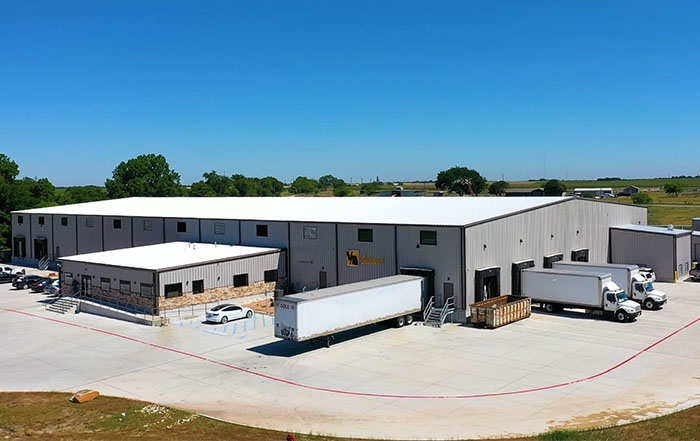
Our Window Manufactoring Factory in Dallas, Texas

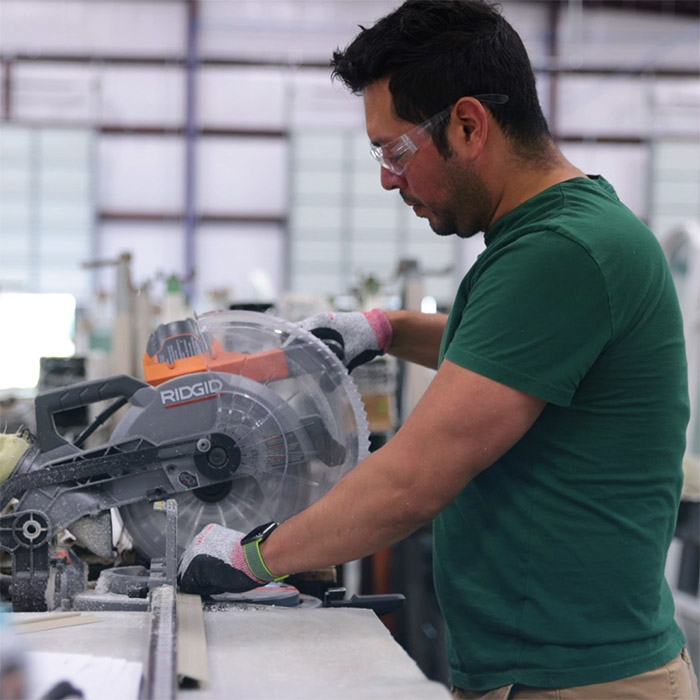
Statewide Energy Solutions proudly operates its own manufacturing facility in Texas, making them one of the few companies to build windows and doors locally for superior quality and performance.

Expert Window & Door Services Fort Worth, TX

Fort Worth is a city of layered eras, and Statewide Energy Solutions is proud to serve homeowners across every one of them. From the 1915 Craftsman bungalows of Fairmount to the 1950s ranches lining Tanglewood and Westcliff, and on to the modern builds going up in Walsh and along the Eagle Mountain Lake corridor, no other city in our service area asks more of a window company. We bring local manufacturing, energy efficiency, and decades of craftsmanship to every project we take on here.

As a trusted window company in Fort Worth, TX, we lead with custom in-house production rather than national-brand catalogs. That means a 1920s Tudor in Berkeley Place can get period-appropriate frame profiles with modern dual-pane Low-E glass underneath, and a contemporary build near Sundance Square can get specialty shapes manufactured to the architect’s exact specification. Either way, the work is done by W-2 employee crews who understand the difference between a Park Hill plaster wall and a Walsh new build.

What ties it all together is accountability. We manufacture the window, we install the window, and we stand behind both for the life of the home. Fort Worth homeowners deserve a partner who treats each neighborhood on its own terms, and that is exactly how we approach every project from Mistletoe Heights to Far North Fort Worth.

Window Replacement in Fort Worth, TX

For window replacement in Fort Worth, TX, Statewide Energy Solutions handles the full range this city offers. A Tanglewood ranch with twenty original aluminum sliders is a fundamentally different project than a Fairmount Historic District bungalow needing design-review-approved frames, and we plan each project around the realities of that specific neighborhood. Our crews have rebuilt period windows in Ryan Place, replaced builder-grade units in Westover Hills estates, and installed custom architectural shapes in Walsh new construction.

The replacement process starts with an in-home measurement where we evaluate each opening, document the flashing condition, and recommend pocket or full-frame replacement based on what we find. From there our DFW manufacturing facility builds units to your exact dimensions, which is the only way to get a properly sealed install on older Mistletoe Heights and Arlington Heights homes where rough openings have shifted over decades.

On install day, our W-2 crews protect interior floors, work room by room, and secure every opening before leaving for the day. Whether the project is in Park Hill or near TCU, the standard is the same.

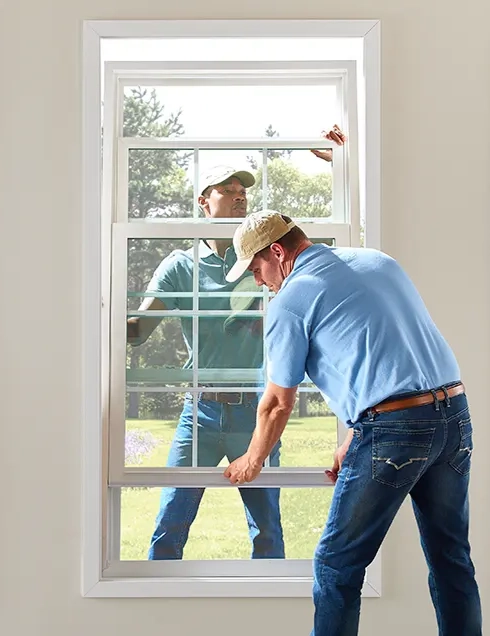
Two men in casual clothing and caps are installing or adjusting a window frame from both the inside and outside of a house. One man is inside, the other is outside, with greenery visible through the window.

The Best Warranty in the Industry

Our full lifetime transferable warranty covers all labor, materials, glass breakage, screens, and caulking (ask for details).

Energy Efficient Windows & Doors

Our windows are engineered to improve energy efficiency, reducing energy costs while making your home more eco-friendly.

Variety and Customization

In addition to our proprietary windows, we work with over 20 other trusted manufacturers, offering a wide variety of styles, materials, and features.

Transform Your Home Today!

With decades of experience, award-winning service, and the highest-quality windows on the market, we’re the top choice for window replacement and manufacturing in the metroplex.

special promo until dec. 31st

40% OFF on Selected Services

Take advantage of our limited-time offer and save 40% on selected services. Don’t miss out, this special deal is only available until December 31st, so upgrade your home and enjoy big savings today.

Window Sales in Fort Worth, TX

Fort Worth homeowners exploring window options have access to a broad selection through our sales team, including configurations matched to the architectural range of this city. We carry products that fit period-appropriate Berkeley Place and Fairmount homes, mid-century proportions for Tanglewood and Westcliff ranches, and contemporary specifications for new builds in Walsh and along the Alliance corridor.

The sales conversation focuses on matching glass package, frame profile, and grid pattern to your home’s era and orientation. South and west elevations on a 1960s TCU-area ranch benefit from a different solar heat gain package than the north side of the same house. Because we manufacture in-house, those specifications can be tuned by elevation rather than locked into one default across the whole project, which is the kind of detail that matters in a market as varied as Fort Worth.

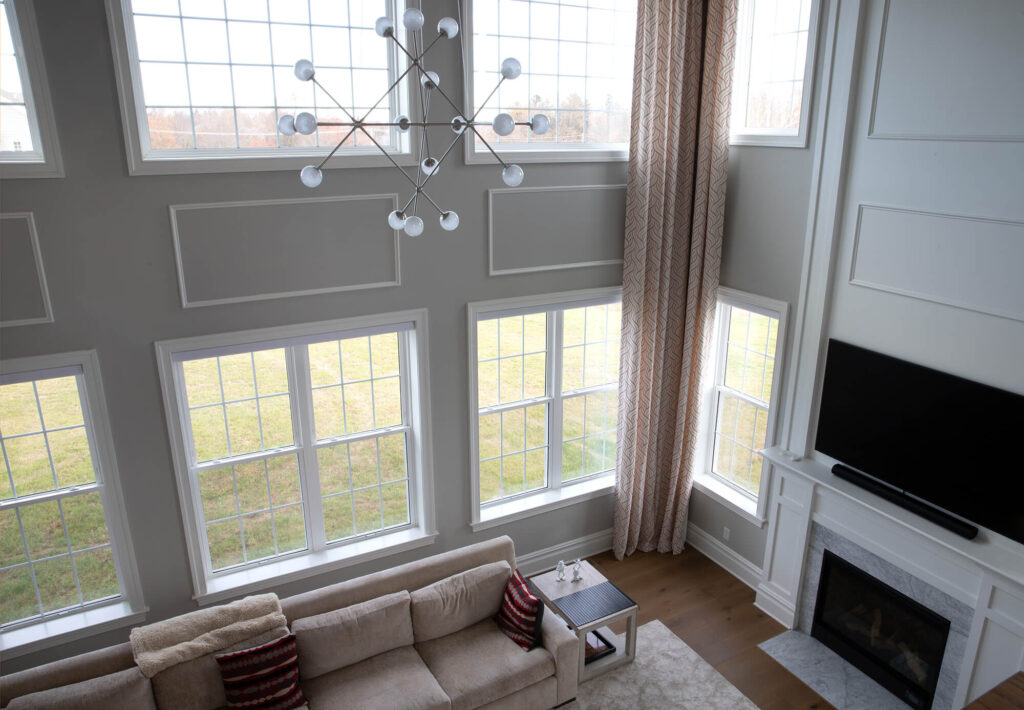
A spacious living room with large windows, a beige sofa, a small side table, a modern chandelier, tall curtains, and a fireplace with a mounted TV. The room is bright with natural light.

Frequently Asked Questions About Window Replacement in Fort Worth, TX

Fort Worth costs vary more than any other city in our service area because the housing stock spans more than a century and the range of home types is enormous. A Craftsman bungalow in Fairmount with original 1915 wood double-hungs is a fundamentally different project than a Walsh new build from 2023 or a 1950s ranch in Tanglewood. For a typical Tanglewood or Westcliff ranch with eighteen to twenty-five mostly standard openings, full home replacement projects often run $13,000 to $24,000 with quality double-pane Low-E units. A 1920s Tudor in Park Hill or Berkeley Place with twenty to thirty original wood windows including specialty shapes can run $22,000 to $40,000 because each opening needs custom sizing and many require careful preservation of interior casings. Fairmount and Ryan Place are different again. The Fairmount Historic District has design review requirements that affect frame material, profile, and grid pattern. Period-appropriate replacement windows for these 1900s and 1910s homes typically run $1,000 to $2,000 per opening depending on size and configuration, with the higher end reflecting true divided lite appearance and custom wood-look frames. Westover Hills estates and new builds in Walsh tend toward higher project totals because of larger window scale and architectural shapes. A 4,000 square foot home in Walsh with thirty contemporary openings including some oversized fixed glass can easily exceed $35,000. Because we manufacture our windows in-house rather than reselling Pella, Andersen, Marvin, or Renewal by Andersen, we can match historic profiles and custom shapes without national brand markup. Every estimate is itemized per opening so you see exactly where each dollar goes.

Install timelines in Fort Worth depend more on neighborhood and home type than total opening count. A 1950s ranch in Tanglewood with twenty standard openings typically finishes in two days with our crews. A 1920s home in Mistletoe Heights with similar window count may take three to four days because original plaster walls, intact wood casings, and historic exterior brick all require slower, more careful work to preserve. Walsh and other new-construction neighborhoods are usually the fastest. The framing is modern, the openings are square and true, and the installation process is straightforward. A 3,500 square foot Walsh home can often finish in two to three days even with thirty openings, because there is no preservation work and no surprises hiding behind original trim. Manufacturing lead time runs three to four weeks for standard double-pane units. Custom shapes, true divided lite historic-style frames, and oversized fixed glass can extend that to six to eight weeks. Fairmount and Ryan Place projects often need the longer lead time because of period-appropriate specifications and the occasional Historic Preservation review. If your home is in a designated historic district like Fairmount, factor in time for design review approval. The process is structured but takes time. We handle the documentation for our customers, including elevation drawings and product specification sheets, so the paperwork does not become your second job. For Westover Hills estates and Park Hill homes, HOA review may add a couple of weeks if frame color or grid patterns change from the original.

The right energy specification for a Fort Worth home depends heavily on the neighborhood and the home's orientation. A 1920s Craftsman in Mistletoe Heights with deep eaves and mature pecan trees has different solar gain than a Walsh new build with open sightlines and minimal shading. Generic specifications across all Fort Worth homes leave performance on the table. For most homes, we recommend a double-pane unit with argon gas fill, warm-edge spacers, and a Low-E coating tuned to North Texas. The Low-E coating reflects radiant heat back outside in summer and back inside in winter, which fits the Fort Worth climate where 105 degree summers and occasional hard freezes both stress windows. Fairmount, Ryan Place, and Berkeley Place homes that need period-appropriate appearance can still get modern thermal performance. We match historic frame profiles and grid patterns while building dual-pane Low-E units underneath, so the home looks correct from the street and performs like a modern build inside. This combination is the practical answer for homeowners who want both energy efficiency and historic character. Tanglewood, Westcliff, and TCU-area ranches usually benefit most from a strong solar heat gain coefficient reduction on the south and west elevations, where 1950s and 1960s homes typically have the largest windows. North-facing rooms can use a slightly higher visible transmittance for natural light without giving up much thermal performance. For Westover Hills estates, oversized openings, and any home near major roadways or under flight paths from DFW and Meacham, laminated or triple-pane glass options reduce both noise and solar gain. Walsh and other new builds usually do well with our standard dual-pane Low-E package because the surrounding envelope is already engineered to modern code.

Yes, and the magnitude of savings varies dramatically by neighborhood. Homeowners in 1950s and 1960s Tanglewood and Westcliff ranches with original aluminum single-pane windows often report summer electric bill drops of 20 to 30 percent after upgrading to modern dual-pane Low-E units. The aluminum frames in those decades were thermal disasters and seal failure rates after sixty years are nearly universal. Fairmount, Ryan Place, and Park Hill homes built in the 1900s and 1910s often see the largest comfort improvements even when raw utility savings are modest. Original wood single-pane windows had essentially no insulating value, and rooms in these historic homes are notorious for cold drafts in winter and radiant heat in summer. After replacement, the homes hold temperature evenly for the first time in their existence, which transforms livability even if the bill reduction is, say, 15 percent rather than 30. Walsh and other recent new construction homes already have decent code-minimum windows, so percentage savings from upgrading are typically smaller, often 5 to 12 percent. The bigger driver for new build replacement projects is comfort tuning, like reducing afternoon glare in west-facing rooms or improving sound performance near busy roads. HVAC behavior changes after any quality window project. Systems cycle less frequently and maintain more even temperatures across the home. We have customers in Arlington Heights who reported that second-story bedrooms which ran consistently warmer than the thermostat in summer now stay within a degree of the set point. That kind of comfort improvement is the part of window replacement that does not show up on the utility bill but matters every day.

Replacement windows are not deductible in the standard sense, but they can qualify for the federal Energy Efficient Home Improvement Credit, which functions as a tax credit. The credit covers 30 percent of qualifying ENERGY STAR certified window costs, capped at $600 per year specifically for windows. Most modern dual-pane Low-E units we install in Fort Worth meet that certification standard. For a typical Tanglewood or Berkeley Place project replacing twenty windows at $16,000 to $22,000 total, the $600 cap means you will not credit the full 30 percent, but the credit still represents real money. Some homeowners with larger projects in Westover Hills or Walsh split installations across two tax years to claim the credit twice. Historic district homes in Fairmount and similar areas may have additional considerations. Texas has periodic state programs that incentivize preservation-compliant improvements, and some federal historic preservation tax provisions can apply to certified historic structures. These programs change over time and are administered separately from the standard energy credit, so consult with a CPA familiar with historic preservation tax matters if your home is officially designated. To claim the federal credit, you will need the manufacturer certification statement and a detailed invoice showing qualifying windows. We provide both for every project. The credit is claimed on IRS Form 5695. The windows must be installed in your primary residence, not a rental or investment property, which matters because Fort Worth has a substantial rental and short-term rental market where the credit does not apply. Always confirm specific eligibility with your tax preparer before counting the credit in your budget.

We manufacture our own windows in our local facility, which is unusual in the DFW market and especially relevant in Fort Worth because of the city's housing diversity. Most companies serving Fort Worth resell national brands such as Pella, Andersen, Marvin, or Renewal by Andersen. Those companies order from out-of-state factories, wait for shipping, and add distributor and dealer markups before reaching your home. The manufacturing distinction matters more in Fort Worth than in any city we serve, because the housing range is so wide. A 1915 Craftsman bungalow in Fairmount needs custom frame profiles and grid patterns that national catalog suppliers do not stock. A 1950s ranch in Tanglewood often has non-standard slider sizes from a long-discontinued manufacturer. A new build in Walsh may have specialty shapes specified by the architect. We build each unit to your actual opening rather than fitting your home to the factory's standard sizes. Quality control happens on our floor. Every unit gets inspected before it leaves the line, and defects are caught and corrected before install day rather than discovered when our crew is already at your home. That direct accountability shortens project schedules and removes the back and forth that plagues installations routed through national brand dealers. Pricing reflects the direct model. Without paying a national brand royalty, distributor margin, and dealer markup before reaching the actual product cost, we can either lower your total or let you choose better glass for the same budget. The warranty arrangement is also simpler because the same company manufactured the window, installed it, and stands behind both. There is no phone tree of finger-pointing between manufacturer, distributor, and installer if a question arises five or ten years down the road.

We provide a lifetime limited warranty on the windows themselves and a separate workmanship warranty on the installation. Because we manufacture and install with our own W-2 employee crews, one company is responsible for both the product and the install, which is the kind of arrangement that becomes valuable years after the work is done. The product warranty covers glass seal failure, frame defects, hardware on operable units, and screens for the life of the original homeowner. For Fort Worth homeowners in long-tenure neighborhoods like Mistletoe Heights, Berkeley Place, and Park Hill, that lifetime coverage genuinely applies because owners often stay in these homes for decades. Customers we worked with years ago still have full coverage on every unit installed. The workmanship warranty covers the installation work, including flashing, sealing, exterior trim, and any issue traceable to how the window was installed. If a homeowner near TCU or Sundance Square sees an interior stain on a window casing after a heavy spring rain, we come out, diagnose whether the issue is the unit or the install, and resolve it without arguing over which warranty applies. For historic homes in Fairmount and Ryan Place, the warranty has practical value beyond standard scenarios. Period-appropriate windows cannot be replaced from a national catalog if something fails in year fifteen, because national brand product lines change frequently and discontinued styles are nearly impossible to source. Because we continue manufacturing the same units, we can rebuild a matching window and reinstall it without disrupting the historic appearance. That continuity is one reason historic district homeowners often choose us over national brand dealers despite the marketing budgets the national brands bring to this market.

Window Replacement in Fort Worth, TX

Fort Worth is not one housing market. It is at least ten, layered on top of each other across more than a century of building. Window replacement here looks completely different depending on whether you live in a 1915 Craftsman bungalow in Fairmount, a 1950s ranch in Tanglewood, a 1920s Tudor in Berkeley Place, a luxury estate in Westover Hills, or a brand-new build in Walsh. A contractor who treats Fort Worth as one city with one window solution is missing the entire point of the market.

Statewide Energy Solutions has worked across Fort Worth’s full range. We have rebuilt period-appropriate windows for Fairmount Historic District homes that satisfy design review and deliver modern thermal performance. We have replaced original aluminum sliders in 1960s TCU-area ranches with dual-pane Low-E units that finally make second-story bedrooms livable in August. We have installed custom architectural shapes in new builds near Alliance and along the Eagle Mountain Lake corridor. The thread connecting all of it is custom manufacturing rather than catalog selection.

Because we build our windows in our own local facility instead of reselling Pella, Andersen, Marvin, or Renewal by Andersen, we can match historic frame profiles, manufacture odd sizes from older homes, and produce specialty shapes for new construction. Lead times run three to four weeks for standard units and six to eight weeks for historic-style or specialty work. That timeline is dramatically shorter than the national brand dealer model, which routes orders through distant factories with longer queues.

Energy performance specifications get tuned to the neighborhood. Tanglewood and Westcliff homes built in the 1950s and 1960s usually have large south and west facing windows that benefit most from a low solar heat gain coefficient. Fairmount and Park Hill homes need period-appropriate appearance with modern dual-pane Low-E glass underneath. Walsh and Far North Fort Worth new builds usually do well with our standard package because the rest of the envelope is already code compliant. Westover Hills estates often justify upgraded glass packages because of larger glass area per home.

Our crews are W-2 employees rather than subcontractors, which matters everywhere but matters more in Fort Worth because the range of construction types our installers encounter in a single week is wider here than in any suburb. A crew that worked on a 1920s Mistletoe Heights home Tuesday and a Walsh new build Wednesday needs experience across both, and that experience cannot be subcontracted out and standardized.

We handle the supporting work that other companies skip: Historic Preservation design review submissions for Fairmount and similar districts, HOA approvals for newer subdivisions, exterior trim and brick mold restoration for older homes, interior paint and stain matching on stained casings, and coordination with painters, masons, or general contractors when window replacement is part of a larger renovation. Every project begins with a free in-home consultation where we measure each opening, evaluate flashing details, and recommend glass options based on each room’s orientation and use.

What to Know Before Replacing Windows in Fort Worth, TX

Before signing a window replacement contract in Fort Worth, there are several local realities worth understanding. The first is that this city’s housing diversity means a quote that does not vary based on your neighborhood is almost certainly missing something. Generic specifications across Fort Worth ignore the actual differences between, say, a Fairmount bungalow and a Walsh new build.

If your home is in the Fairmount Historic District, Ryan Place, or any other designated historic area, there are design review requirements for exterior changes including window frame material, profile, and grid pattern. The review process is not adversarial, but it is mandatory and adds two to four weeks to the front of the timeline. Reputable installers handle the documentation including elevation drawings and product specification sheets. If a contractor tells you these requirements can be ignored, find a different contractor.

For homes in newer master-planned communities like Walsh or in HOA-managed subdivisions, architectural review committees may approve exterior color changes, frame material substitutions, or grid additions. Most approvals are routine, but starting the paperwork before signing a contract avoids surprises. Some neighborhoods have specific frame color requirements that limit your options.

Older neighborhoods like Tanglewood, Westcliff, Arlington Heights, and TCU-area streets have a different consideration. Many homes have original aluminum windows from the 1950s and 1960s with non-standard sizes from manufacturers no longer in business. Catalog replacement options often do not fit, which leads to compromise installs with oversized trim hiding gaps. Ask any contractor directly whether windows will be built to your exact opening dimensions or selected from catalog sizes. The answer determines install quality.

Manufacturing lead time matters in Fort Worth because so many homes need custom sizes. Standard dual-pane units typically take three to four weeks from contract to install day. Historic-style frames, true divided lites, and specialty shapes can run six to eight weeks. Plan around other renovation work, school year transitions, or real estate closings accordingly.

Cost varies enormously by neighborhood. A 1980s tract home in Far North Fort Worth is a different financial picture than a custom Westover Hills estate or a Fairmount preservation project. Get itemized estimates so you understand what each opening costs and where scope can adjust to fit budget. Avoid contractors who provide only a single bottom-line number without per-window detail.

Federal tax credit eligibility applies to ENERGY STAR certified windows installed in your primary residence. The Energy Efficient Home Improvement Credit covers 30 percent of qualifying window costs up to $600 per year. Investment properties and short-term rentals do not qualify, which matters in Fort Worth where parts of the city have substantial rental inventory. Confirm with your CPA before relying on the credit.

Finally, ask hard questions about who actually performs the install. National brand dealers frequently subcontract installation, which means quality varies job to job. Companies that install with W-2 employee crews maintain more consistent quality because the same teams work together repeatedly under direct supervision, which is especially valuable on Fort Worth’s older homes where small mistakes have large consequences.


Fill the Form to Get a Free Estimate

Contact us Today for a Free Estimate

Contact us today to learn more about our services or to schedule a consultation. Together, we’ll transform your home with windows that are as beautiful as they are functional.