
Learning how to soundproof windows starts with knowing how sound moves. Noise travels in waves. Those waves slip through gaps, thin glass, and older window frames. Traffic, neighbors, lawn equipment, and sirens all find a path indoors when windows lack proper sealing or insulation.
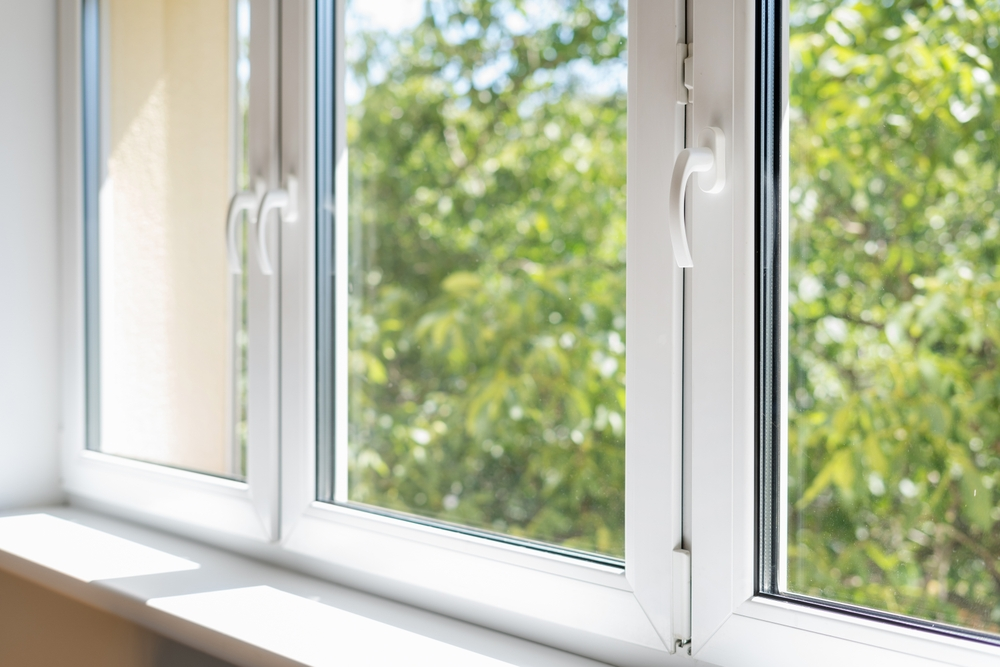
Older windows often allow sound inside through:
- Thin single-pane glass that vibrates easily when sound hits it. That vibration sends noise straight into the room instead of stopping it.
- Loose frames and worn seals that leave tiny openings. Even small gaps allow sound to pass through without resistance.
- Outdated installation methods that fail to block exterior noise. Many older homes never had sound control in mind.
That’s why learning how to soundproof windows means focusing on glass strength, frame design, and proper installation as a complete system.
How to Soundproof Windows Using Soundproof Windows Options
Soundproof Windows work by limiting vibration and blocking sound paths. Thicker glass and layered designs reduce the amount of noise that enters the home.
Key Soundproof Windows features include:
1. Double or Triple-Pane Glass
Multiple panes slow sound waves by forcing them through layers of glass and sealed air space. Each layer weakens the sound before it reaches indoors.
2. Laminated Glass Construction
A clear interlayer between panes absorbs sound energy. This setup cuts down traffic and street noise more effectively than standard glass.
3. Tight Frame Systems
Strong frames hold glass firmly in place. That firmness reduces rattling and vibration during loud exterior noise.
Statewide Energy Solutions offers professional window systems built for sound control, energy savings, and daily comfort. Window choices can be viewed on the Window Options page.
How to Soundproof Windows With Proper Windows Sound Insulation
Windows sound insulation works best when glass and frames seal tightly. Insulation blocks noise paths and prevents sound leaks.
Effective insulation steps include:
1. Upgraded Weather Stripping
High-quality seals close gaps around window edges. Sound slips through air gaps easily, so sealing those edges makes a noticeable difference.
2. Insulated Window Frames
Modern vinyl and composite frames include insulated chambers. These chambers reduce both sound transfer and air movement.
3. Professional Installation Methods
Correct fitting matters. Windows installed square and level create a tighter seal that keeps noise outside.
Sound insulation plays a big role in how to soundproof windows for busy streets, urban neighborhoods, and commercial areas.
How to Soundproof Windows Through Window Replacement
For homes with heavy exterior noise, full window replacement offers the strongest results. Replacement windows fix multiple noise issues at once.
Benefits of replacement windows include:
1. Stronger Sound Control
New Soundproof Windows use modern glass technology that blocks more noise than older designs.
2 . Improved Comfort Indoors
Less noise means better sleep, quieter workspaces, and calmer living areas.
3. Energy Savings
Soundproofing and energy efficiency often go hand in hand. Better insulation reduces drafts and helps control indoor temperature.
Learn more about replacement options on the Window Replacement page.
How to Soundproof Windows Without Full Replacement
Some homeowners want quieter rooms without replacing every window. Short-term upgrades can still reduce noise levels.
Common non-replacement options include:
1. Interior Window Inserts
Clear panels fit inside existing windows. These inserts create an extra barrier that weakens sound waves.
2. Heavy Window Coverings
Thick curtains with sound-dampening layers absorb noise. These work best for moderate sound issues.
3. Seal Improvements
Fresh caulking around window frames closes cracks where sound sneaks in.
These methods help, yet they won’t match the performance of full Soundproof Windows. Homes near highways or busy roads often need stronger solutions.
How to Soundproof Windows for Bedrooms and Home Offices
Quiet rooms matter most where focus and rest happen. Bedrooms and home offices benefit greatly from proper sound insulation.
Focused upgrades may include:
- Laminated glass for sleeping areas – This glass softens sharp noises like horns and barking.
- Frame upgrades for office spaces – Solid frames limit vibration that distracts during calls and meetings.
- Targeted window replacement – Replacing only the loudest-facing windows often brings noticeable relief.
Statewide Energy Solutions helps homeowners choose room-specific solutions that match daily needs.
How to Soundproof Windows Backed by Trusted Research
Sound control methods used in modern windows follow established building science. The U.S. Environmental Protection Agency explains how building materials affect noise levels and indoor comfort.
How to Soundproof Windows With a Professional Installation Team
Materials matter, yet installation makes the difference. Poor installation leaves gaps and weak points that allow noise through.
Professional installation provides:
- Accurate measurements for a snug fit.
- Proper sealing around the entire window opening.
- Long-term durability without shifting or settling.
Customer experiences reflect this quality of work. Real feedback appears on the Reviews page.
Contact Statewide Energy Solutions for Window Replacement and Window Services in Dallas, TX
A quieter home improves sleep, focus, and peace of mind. Learning how to soundproof windows means choosing the right glass, insulation, and installation team.
Statewide Energy Solutions helps homeowners select Soundproof Windows that fit noise levels, budgets, and long-term goals. Speak with a window specialist today by calling (800) 339-4326 or visit the Contact Page to schedule a consultation.
How to Soundproof Windows: FAQs
How to soundproof windows in a noisy neighborhood?
Soundproof Windows with double or laminated glass offer the best results. Sealed frames and professional installation block most exterior noise.
Do Soundproof Windows block all sound?
They reduce noise significantly. Extremely loud sounds may still be faintly heard, yet comfort improves greatly.
Are windows sound insulation upgrades worth it?
Yes. Insulation upgrades reduce noise, limit drafts, and support energy savings.
How long does window replacement take?
Most projects finish within a day or two, depending on window count and home layout.