
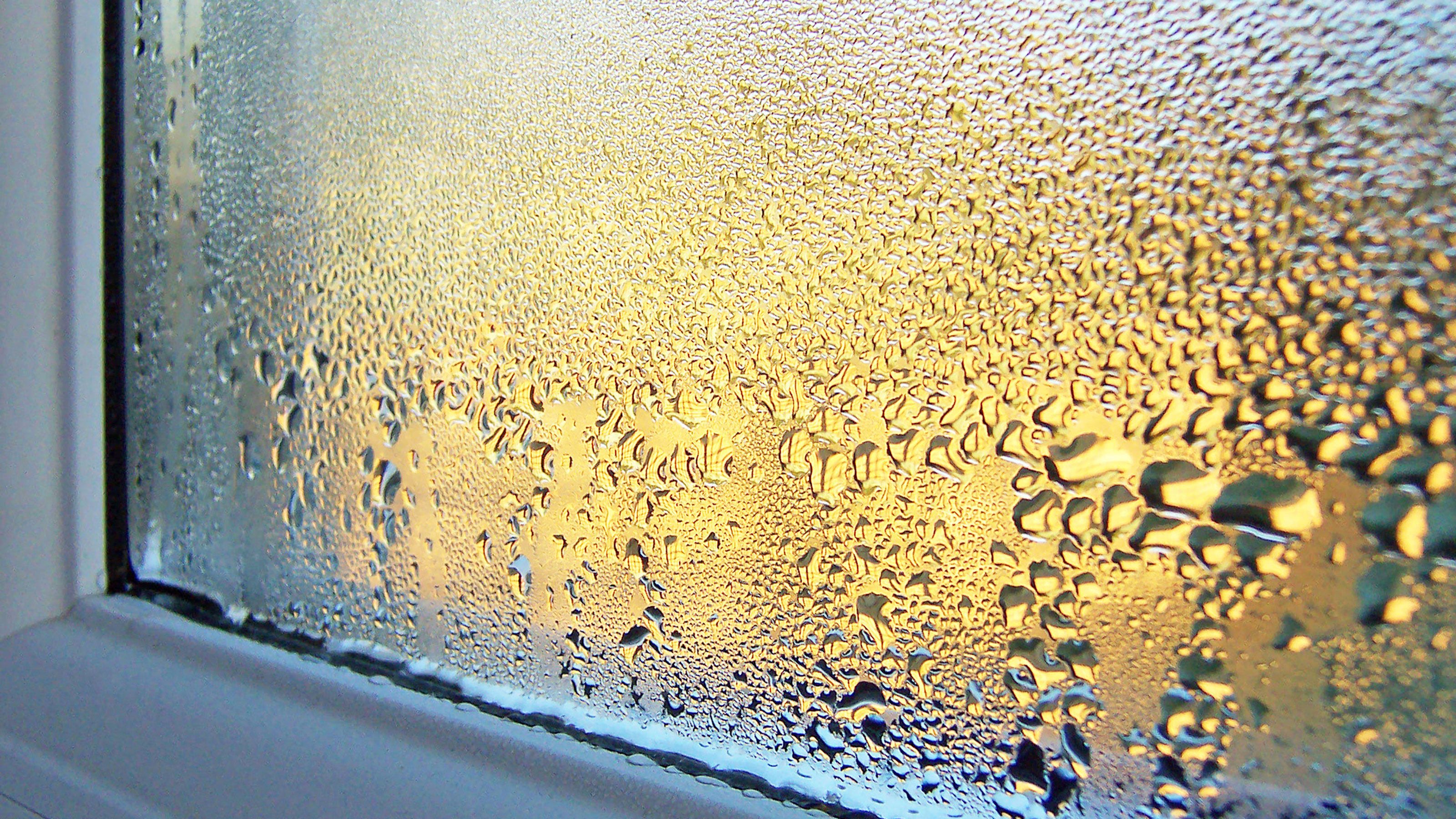
Homeowners often ask how to prevent condensation on windows, especially once colder weather rolls in or humidity levels spike indoors. Condensation on windows shows up as fog, droplets, or streaks of moisture on the glass. Over time, that moisture can damage window frames, stain sills, and raise concerns about indoor comfort.

From a window installer’s point of view, condensation acts like a warning sign. It signals a gap between indoor air conditions and window performance. Fixing that gap means addressing air movement, insulation, and window construction together, not guessing or masking the problem.
At Statewide Energy Solutions, conversations stay focused on real fixes that last, not quick tricks that fade away after a season.
How to Prevent Condensation on Windows by Knowing What Causes It
A clear plan for how to prevent condensation on windows starts with knowing what causes condensation on windows in the first place. Moisture forms once warm indoor air hits a colder surface. Glass cools faster than walls, so windows take the hit first.
Common triggers inside the home include:
- Everyday moisture from cooking, showers, laundry, and breathing
- Temperature gaps between indoor air and outdoor weather
- Older or low-performing windows that let heat escape
Condensation on the inside of windows often appears in bedrooms, kitchens, or bathrooms. Those rooms trap moisture fast, especially overnight or during colder months. Once moisture sticks around, it feeds mold growth and can soften wood trim over time.
How to Prevent Condensation on Windows by Managing Indoor Moisture
One step in how to prevent condensation on windows involves lowering excess indoor moisture. That step sounds simple, yet many homes struggle with hidden humidity.
Helpful habits that support window performance include:
- Using exhaust fans during daily activities – Running bathroom and kitchen fans during showers or cooking moves moist air outside instead of letting it cling to window glass. Fans work best when used early and kept running a few minutes after activity ends.
- Spacing out moisture-heavy tasks – Washing clothes, cooking, and showering back-to-back stacks moisture fast. Spreading those tasks across the day helps indoor air stay balanced.
- Keeping furniture clear of windows – Air needs room to circulate. Furniture pressed against glass traps moisture, giving condensation a place to settle and stay.
These steps help, yet moisture control alone rarely solves persistent condensation on windows. Window quality still plays a major role.
How to Prevent Condensation on Windows With Proper Airflow
Airflow matters just as much as moisture levels when learning how to prevent condensation on windows. Stagnant air cools quickly near glass, which invites condensation.
Small airflow changes can support better results:
Opening Interior Doors at Night
Closed doors block warm air movement, letting glass cool faster in sleeping areas. Open doors balance temperature across rooms.
Adjusting Ceiling Fans Seasonally
Winter fan settings push warm air downward. That movement keeps glass surfaces closer to room temperature.
Avoiding Blocked Vents
Floor and wall vents buried under rugs or furniture weaken airflow. Clear vents allow heated air to reach windows evenly.
Airflow solutions help, yet they cannot compensate for aging or inefficient windows.
How to Prevent Condensation on Windows by Upgrading Old Windows
Window performance often becomes the deciding factor in how to prevent condensation on windows. Older windows lack insulation and allow heat transfer that cools glass too quickly.
Signs that windows contribute to condensation on the inside of windows include:
- Single-pane glass
- Drafts near frames
- Fog trapped between panes
- Rotting or peeling window sills
Modern replacement windows hold indoor warmth better, keeping glass temperatures closer to room air. That difference reduces moisture buildup dramatically.
Statewide Energy Solutions offers professional window replacement options built for long-term comfort, energy savings, and moisture control.
How to Prevent Condensation on Windows With the Right Window Options
Not all windows perform the same. Choosing the right materials plays a direct role in how to prevent condensation on windows.
Effective window features include:
Double or Triple-Pane Glass
Multiple panes create insulation barriers that slow heat transfer. Warmer glass equals less condensation.
Low-E Coatings
These coatings reflect heat back inside during cold months, helping stabilize surface temperature.
Insulated Frames
Vinyl and composite frames resist temperature swings better than older aluminum frames.
Gas-Filled Panes
Argon or krypton gas between panes improves insulation without affecting visibility.
Statewide Energy Solutions walks homeowners through available window options so selections match the home, climate, and comfort goals.
How to Prevent Condensation on Windows Through Professional Installation
Even the best windows fall short if installation misses the mark. Gaps, misalignment, or poor sealing let cold air sneak in, cooling glass surfaces fast.
Professional installation focuses on:
- Tight seals around frames
- Proper insulation at the window opening
- Accurate alignment to prevent air leaks
Statewide Energy Solutions installs windows with attention to long-term performance. That care helps stop condensation on windows before it starts.
Homeowners curious about real experiences can review feedback on the Reviews page to see how window upgrades have improved comfort and clarity for others.
How to Prevent Condensation on Windows and Protect Indoor Air Quality
Condensation on windows does more than cloud the view. Moisture encourages mold growth and affects indoor air quality. Health agencies point out that moisture control supports healthier living spaces.
How to Prevent Condensation on Windows With Help From Statewide Energy Solutions
Learning how to prevent condensation on windows comes down to pairing good habits with windows that work the way they should. Airflow, moisture control, and window performance all play a role. Ignoring one part keeps the problem alive.
Statewide Energy Solutions focuses on lasting solutions through professional window replacement, clear guidance, and proven installation practices. Clear glass, protected frames, and improved comfort speak for themselves.
For homeowners ready to stop condensation on windows and improve indoor comfort, contact Statewide Energy Solutions today.
Call (800) 339-4326 or visit the Contact Page to schedule a consultation and start seeing clearer windows year-round.
FAQs About How to Prevent Condensation on Windows
Why does condensation on the inside of windows show up overnight?
Nighttime temperature drops cool glass quickly. Indoor air stays warmer and holds moisture, which then settles on cold glass surfaces.
Does condensation on windows mean new windows are needed?
Not always. Minor condensation can relate to humidity or airflow. Frequent or heavy moisture often points to window performance issues.
Can dehumidifiers stop condensation on windows?
Dehumidifiers help reduce indoor moisture. They work best as support tools, not permanent fixes for inefficient windows.
Will new windows stop condensation completely?
High-quality windows reduce condensation significantly. Extreme indoor humidity can still cause some moisture, yet modern windows keep it minimal.